
Introduction
The digital threat landscape has expanded rapidly due to cloud computing, remote work, APIs, and automation. Organizations now face constant threats such as ransomware, phishing, zero-day exploits, and insider attacks. Introduction to Cyber Security Testing helps professionals understand how attackers identify weaknesses and how defenses can be tested proactively.
Companies no longer rely solely on firewalls or antivirus tools. They expect security professionals to test security controls continuously, making cyber security testing a core skill taught in Cyber security training, Online classes cyber security, and Cybersecurity training and placement programs.
What Beginners Learn in Cyber Security Testing
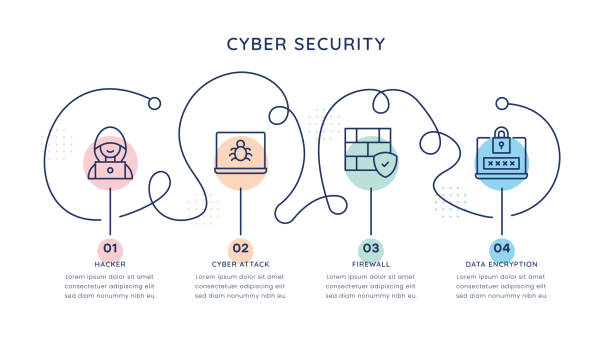
A structured Introduction to Cyber Security Testing equips learners with a clear understanding of:
- How cyber attacks occur in real environments
- Where common vulnerabilities exist
- How security testing differs from monitoring
- How to document and report security risks
These fundamentals are essential for roles targeted by Cyber security training and job placement and Cyber security analyst training online programs.
Core Objectives of Cyber Security Testing
The primary goals of cyber security testing include:
- Identifying exploitable vulnerabilities
- Validating security configurations
- Measuring real-world risk exposure
- Supporting compliance and audits
An effective Introduction to Cyber Security Testing ensures that learners can translate technical findings into actionable remediation steps, a skill employers highly value.
Types of Cyber Security Testing
Vulnerability Assessment
Vulnerability assessment focuses on identifying known security weaknesses using automated tools and manual analysis. In an Introduction to Cyber Security Testing, learners understand how scanners detect outdated software, weak passwords, and misconfigured services.
This form of testing emphasizes coverage and prioritization rather than exploitation and is commonly used in SOC and compliance roles.
Penetration Testing
Penetration testing simulates real-world attacks to validate whether vulnerabilities can be exploited. A strong Introduction to Cyber Security Testing explains how penetration testing goes beyond detection and demonstrates actual impact.
This approach is a major component of CEH Certification and advanced Cyber security training with job placement tracks.
Application Security Testing
Applications are frequent attack targets. Introduction to Cyber Security Testing introduces learners to:
- Static testing to analyze source code
- Dynamic testing to evaluate running applications
- API testing to identify authorization and input flaws
These skills directly support modern DevSecOps and web security roles.
Network Security Testing
Network testing focuses on evaluating firewalls, segmentation, open ports, and exposed services. In an Introduction to Cyber Security Testing, learners explore how attackers move laterally within networks and how defenses can be validated.
This knowledge is foundational for SOC analysts and infrastructure security engineers.
Cloud Security Testing
Cloud environments introduce new risks such as misconfigured IAM roles and exposed storage services. Introduction to Cyber Security Testing covers shared responsibility models and cloud-specific attack vectors.
Cloud security testing is now a core requirement in Cybersecurity training and job placement programs.
The Cyber Security Testing Lifecycle
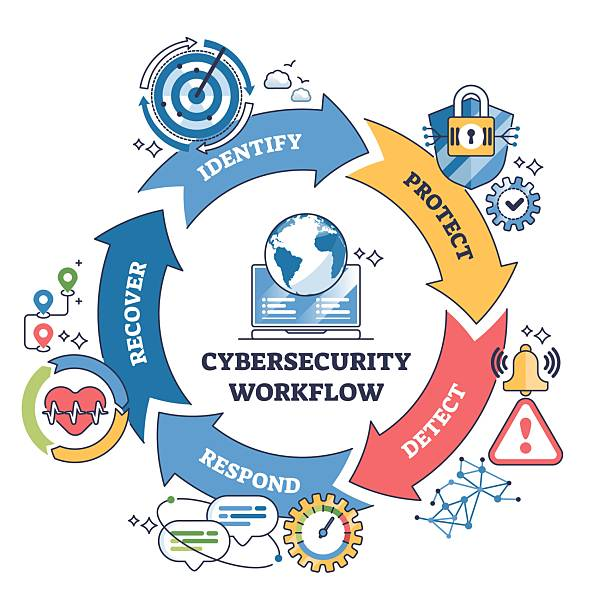
A professional Introduction to Cyber Security Testing introduces a structured lifecycle that ensures consistency and legal compliance.
Planning and Scoping
Testing begins with defining assets, scope, and objectives. Learners understand authorization requirements and legal boundaries.
Reconnaissance
This phase involves gathering information about systems, users, and services. Introduction to Cyber Security Testing emphasizes ethical reconnaissance techniques.
Scanning and Enumeration
Security professionals identify vulnerabilities, services, and configurations using both tools and manual analysis.
Exploitation (Authorized)
Controlled exploitation validates whether vulnerabilities can cause real damage. This phase is critical in CEH Certification training.
Reporting and Remediation
Findings are documented with risk ratings and remediation guidance. Introduction to Cyber Security Testing highlights that clear reporting is as important as technical skill.
Tools Commonly Used in Cyber Security Testing
A hands-on Introduction to Cyber Security Testing exposes learners to industry-standard tools across categories:
- Vulnerability scanning tools
- Network discovery utilities
- Web application testing frameworks
- Log analysis and SIEM platforms
Practical tool exposure is essential in Online classes cyber security and job-focused programs.
Skills Required for Cyber Security Testing
A strong Introduction to Cyber Security Testing develops a balanced skill set:
Technical Skills
- Networking fundamentals
- Linux and Windows security
- Web and cloud technologies
Analytical Skills
- Risk prioritization
- Root-cause analysis
- Threat modeling
Professional Skills
- Documentation
- Ethical decision-making
- Stakeholder communication
These skills are central to Cyber security course with placement success.
Cyber Security Testing vs Ethical Hacking
While related, the two are not identical. Introduction to Cyber Security Testing explains that ethical hacking focuses on attack simulation, while security testing includes vulnerability assessment, compliance checks, and defensive validation.
Both areas are covered in CEH Certification, but cyber security testing offers broader enterprise relevance.
Career Roles Enabled by Cyber Security Testing
With a solid Introduction to Cyber Security Testing, learners can pursue roles such as:
- SOC Analyst
- Vulnerability Analyst
- Junior Penetration Tester
- Security Engineer
- Compliance Analyst
These roles align directly with Cyber security training and placement pathways.
Why Employers Demand Cyber Security Testing Skills
Organizations value professionals who can proactively identify weaknesses rather than react to incidents. Introduction to Cyber Security Testing prepares learners to:
- Reduce breach likelihood
- Improve audit readiness
- Strengthen incident response
- Support secure development
This demand fuels growth in Cyber security training and job placement programs.
Ethical and Legal Responsibilities
Cyber security testing must always be authorized and ethical. Introduction to Cyber Security Testing reinforces adherence to privacy laws, responsible disclosure, and professional conduct.
Ethics remain a core pillar of all Cybersecurity training and placement curricula.
How Cyber Security Testing Fits into Modern IT
In modern enterprises, testing integrates with DevSecOps, continuous monitoring, and incident response. Introduction to Cyber Security Testing helps learners see how testing supports the full security lifecycle.
Key Takeaways
- Cyber security testing validates real-world defenses
- It includes vulnerability assessment, penetration testing, and compliance checks
- Testing skills are foundational for security careers
- Hands-on practice improves job readiness
- Structured Cyber security training accelerates employability
Conclusion
A comprehensive Introduction to Cyber Security Testing builds the technical foundation required to protect today’s complex digital environments. By learning how to identify, validate, and remediate security weaknesses, professionals become proactive defenders rather than reactive responders. For individuals seeking career growth through Cyber security training, CEH Certification, and Cyber security training with job placement, mastering cyber security testing is a critical first step toward long-term success.