H2K Infosys prepares students for cyber security job roles by combining structured cyber security training online with hands-on technical labs, real-world workflow simulations, and role-aligned skill mapping. The program focuses on building practical competence in security tools, enterprise security processes, and job-specific responsibilities commonly required in cyber security jobs with training and professional development support.
What Is H2K Infosys’s Approach to Cyber Security Training Online?
H2K Infosys structures its cyber security training online around how security teams operate in real enterprise environments rather than around isolated tools or certifications.
The approach typically includes:
- Foundational security concepts aligned with industry standards such as risk management, network defense, and system hardening
- Tool-based learning using commonly adopted platforms and frameworks
- Role-based pathways that map technical skills to daily job responsibilities
- Hands-on labs that simulate realistic IT and security workflows
- Career alignment focused on cyber security training with job placement readiness
This structure is designed to help learners understand not only how security technologies work, but also how they are applied in operational settings such as IT support teams, SOCs (Security Operations Centers), and compliance-driven environments.
How Does Cyber Security Training Online Work in Real-World IT Projects?

In enterprise IT, cyber security is rarely a standalone function. It is embedded into daily operations such as system deployment, application development, cloud management, and user support.
H2K Infosys reflects this reality by organizing training around project-based workflows rather than isolated commands or theory.
Typical Enterprise Security Workflow
| Stage | Real-World Activity | Learning Focus |
| Asset Identification | Discovering systems, users, and applications | Inventory tools, network scanning |
| Risk Assessment | Identifying vulnerabilities and threats | Vulnerability scanners, risk scoring |
| Protection | Implementing controls | Firewalls, IAM, endpoint protection |
| Detection | Monitoring for incidents | SIEM dashboards, alert tuning |
| Response | Investigating and containing attacks | Incident playbooks, log analysis |
| Recovery | Restoring systems and improving controls | Patching, policy updates |
How Learners Practice This
Instead of following generic tutorials, learners work through scenarios such as:
- Configuring access controls for a simulated corporate network
- Monitoring suspicious login behavior in a SIEM dashboard
- Running vulnerability scans against a test server
- Writing incident response documentation for a detected threat
This structure reflects how cyber security job roles with training support real IT operations rather than theoretical environments.
Why Is Cyber Security Training Important for Working Professionals?
Modern IT roles increasingly include security responsibilities, even for professionals who are not in dedicated security positions.
Common reasons working professionals pursue cyber security training include:
- Increased regulatory requirements in industries such as healthcare, finance, and retail
- Cloud adoption that introduces new security challenges
- Remote work environments that expand attack surfaces
- Career transitions into cyber security job roles with training and structured skill development
Security knowledge is often expected in roles such as system administrators, network engineers, IT support specialists, and cloud technicians. Training programs that reflect real enterprise conditions help professionals adapt to these expectations.
What Skills Are Required to Learn Cyber Security Training Online?
Cyber security job roles training online typically builds on a mix of technical, analytical, and procedural skills.
Core Technical Skills
- Networking fundamentals (TCP/IP, DNS, firewalls, VPNs)
- Operating systems (Windows and Linux administration)
- Identity and access management concepts
- Security monitoring and log analysis
- Vulnerability management and patching
Analytical and Process Skills
- Risk assessment and prioritization
- Incident response documentation
- Compliance and audit readiness
- Security policy interpretation
Professional Skills
- Technical reporting
- Team communication during incidents
- Documentation and knowledge sharing
These skills form the foundation for learners seeking cyber security job roles with training aligned to operational environments.
How Is Cyber Security Used in Enterprise Environments?
Enterprise security teams operate within structured IT ecosystems rather than standalone labs.
Common Enterprise Security Components
- Security Operations Center (SOC): Centralized monitoring and response hub
- SIEM Platforms: Aggregate logs from servers, endpoints, and cloud systems
- Endpoint Protection: Software deployed across corporate devices
- IAM Systems: Manage user access and authentication
- Compliance Frameworks: Align operations with standards such as ISO 27001 or NIST
Enterprise Constraints Learners Must Understand
- Performance impact of security tools
- Budget and licensing limitations
- User experience vs. security trade-offs
- Regulatory reporting requirements
Training environments that reflect these constraints help learners understand how security decisions affect business operations.
What Job Roles Use Cyber Security Skills Daily?
Cyber security jobs with training typically prepare learners for multiple entry-level and intermediate roles.
Role-to-Skill Mapping
| Job Role | Daily Responsibilities | Key Skills Used |
| SOC Analyst | Monitor alerts, investigate incidents | SIEM, log analysis, reporting |
| Security Administrator | Manage firewalls and access controls | IAM, network security |
| IT Security Support | User access issues, endpoint protection | Troubleshooting, documentation |
| Compliance Analyst | Audit systems and policies | Frameworks, reporting |
| Vulnerability Analyst | Scan systems, track remediation | Scanning tools, risk assessment |
These roles reflect how cyber security job roles integrates into broader IT and business operations.
What Careers Are Possible After Learning Cyber Security Training Online?
Learners completing cyber security training online often move into roles that combine technical execution with governance and risk awareness.
Career Path Overview
| Level | Typical Role | Focus Area |
| Entry | SOC Analyst, IT Security Support | Monitoring, documentation |
| Intermediate | Security Administrator, Vulnerability Analyst | Configuration, risk management |
| Advanced | Security Engineer, Compliance Lead | Architecture, governance |
Some professionals also move into specialized domains such as cloud security, application security, or cyber security sales training, where technical knowledge supports client-facing and solution design roles.
How Does H2K Infosys Align Training With Cyber Security Job Readiness?
H2K Infosys focuses on connecting technical learning to professional expectations.
Training Components Typically Include
- Hands-on lab environments for security tools
- Workflow simulations that mirror enterprise IT operations
- Role-specific task mapping to daily job responsibilities
- Resume-oriented project documentation
- Interview preparation aligned with technical scenarios
This structure supports learners pursuing cyber security training with job placement readiness rather than purely academic outcomes.
What Tools and Platforms Are Commonly Used in Training?
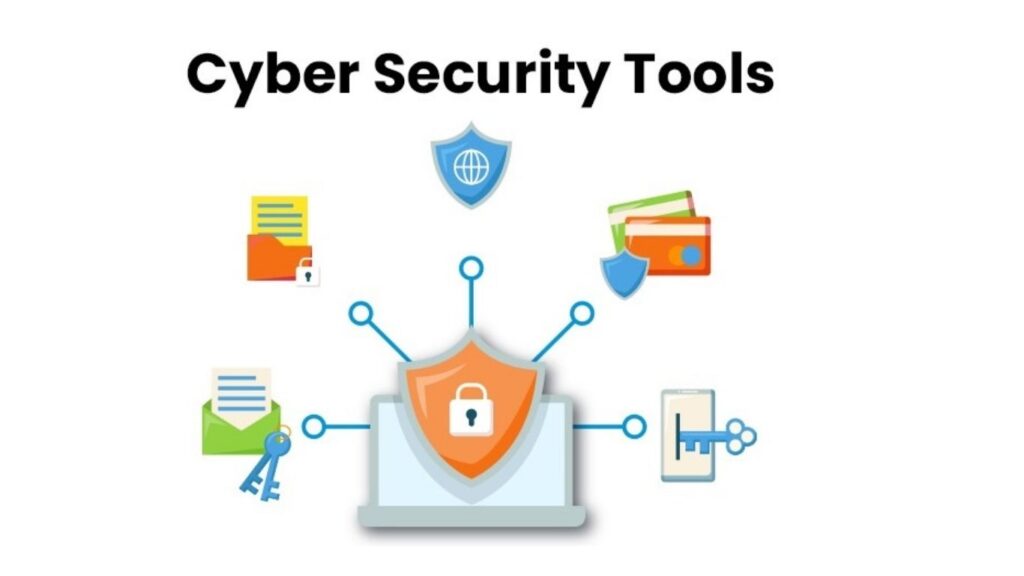
While specific tools may vary, training environments often reflect widely adopted industry platforms.
Common Tool Categories
| Category | Examples | Purpose |
| SIEM | Splunk, Elastic | Log aggregation and alerting |
| Vulnerability Scanning | Nessus, OpenVAS | Identify system weaknesses |
| Network Security | pfSense, Cisco tools | Firewall and traffic control |
| Endpoint Protection | Defender, CrowdStrike | Device-level security |
| Cloud Security | AWS Security Hub | Cloud risk monitoring |
Learners practice how these tools fit into daily IT and security workflows rather than using them in isolation.
How Are Realistic Project Scenarios Used in Training?
Instead of fictional case studies, training projects often reflect practical enterprise use cases such as:
- Investigating unauthorized access attempts in system logs
- Hardening a cloud server against common attack vectors
- Writing an incident response report for a malware alert
- Conducting a vulnerability scan and presenting remediation steps
These projects help learners build documentation and technical evidence that supports job readiness.
FAQ: Cyber Security Training and Career Preparation
What is cyber security training with job placement?
It refers to structured learning programs that combine technical instruction, hands-on practice, and career preparation such as resume development, interview readiness, and role-based skill alignment.
Can beginners start cyber security training online?
Yes. Most programs start with networking and system fundamentals before introducing security tools and workflows.
Are certifications required for cyber security job roles?
Certifications can support job applications, but employers often prioritize practical skills, tool familiarity, and documented project experience.
What is cyber security sales training?
It focuses on combining technical security knowledge with client communication, solution design, and risk explanation for roles that support security product or service delivery.
How long does it take to become job-ready?
Timelines vary by background, but consistent practice with tools, workflows, and real-world scenarios is typically more important than course length alone.
Key Takeaways
- Cyber security training online is most effective when aligned with enterprise workflows, not isolated tools.
- Real-world projects help learners build job-ready technical and documentation skills.
- Role-based learning clarifies how daily security tasks map to career paths.
- Practical exposure supports both technical and cyber security sales training roles.
- Structured preparation improves readiness for cyber security jobs with training support.
Explore hands-on cyber security training programs at H2K Infosys to build practical skills aligned with real IT environments.
Learn more about career-focused pathways designed for working professionals seeking growth in cyber security roles.