Yes Data Analytics Certification can, in fact, help you to get high-paying jobs, but it depends on which kind of certification does that offer practical skills that employers are looking for or just general knowledge of data analytics. Certifications are more than decorative badges in today’s market. When carefully selected, they can set you up with roles that, in the U.S., pay from $85,000 to $140,000+ and robust six-figure equivalents in some international markets.
Let’s be real about how this plays out in the world.
Why Data Analytics Certification Really are that Important in 2026
I’ve seen the trend in hiring change over the last few years. During roughly the period 2020–2022, companies were obsessed with degrees. Now? Skills win. Certifications have become a formalized method of demonstrating those skills, especially when combined with authentic projects.
When it comes to Data Analytics Certification now, the powerful ones seem to be those same certifications that are aligned with existing companies tools:
- Python for automation and data cleansing.
- SQL for querying massive datasets
- Visualization Power BI / Tableau
- Cloud Services such as AWS and Azure
No longer do they just scan resumes for degrees. They scan for capability signals. That’s why Data Analytics Certification are so crucial, they demonstrate organised learning, evaluation and tooling experience.
And here’s the thing most people don’t realize: hiring managers frequently interpret Data Analytics Certification as evidence you can learn on your own. And that is the most important thing of all.
The Salary Connection: Do Certifications Really Increase Pay?
Short answer? Yes but only the right ones.
Entry-level data analysts in 2026 are averaging $75K–$90K in the U.S. Mid-level analysts and analytics engineers are easily crossing $120K. Specialized roles like machine learning analysts or data product analysts go even higher.
Candidates who combine hands-on experience with recognised Data Analytics Certification tend to negotiate better. I’ve personally seen job postings where certification was listed as “preferred,” not mandatory but the candidates who had it often moved ahead in screening.
Choosing the Right Path: Not All Certifications Are Equal
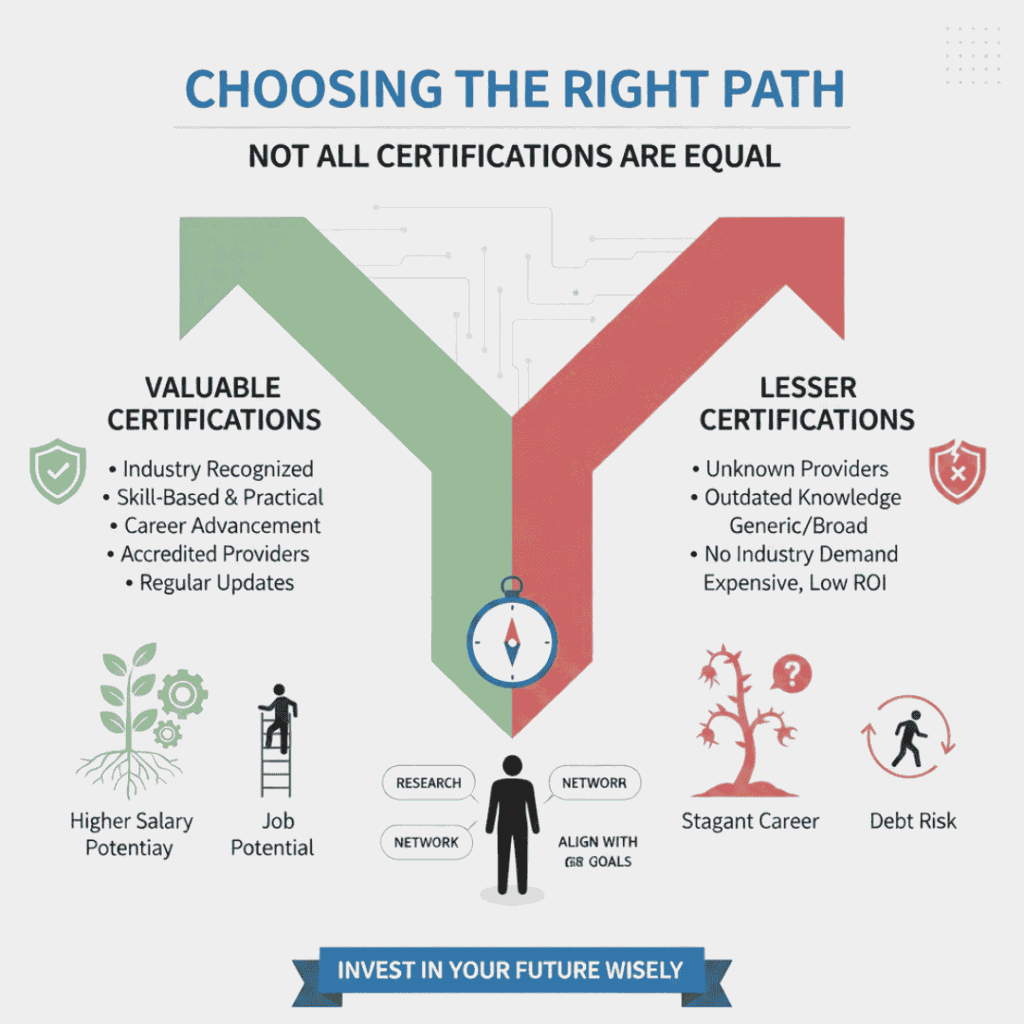
There’s a big difference between a random PDF certificate and structured Data Analytics Certification backed by industry-recognized platforms.
If you’re exploring analytics courses online, here’s what actually matters:
- Do they teach real datasets?
- Is there a capstone project?
- Does the course include SQL + Python together?
- Are cloud tools included?
- Is interview prep part of the package?
A strong Online data analytics certificate program should simulate real business problems. For example, building a sales performance dashboard using messy raw data. That’s the type of scenario companies test in interviews now.
I always tell learners if your course never makes you struggle with debugging Python or cleaning inconsistent data, it’s probably too easy.
The Role of Python: Why It’s Non-Negotiable
If there’s one skill that dramatically increases earning potential, it’s Python.
A solid data analytics python course should cover:
- Pandas for data manipulation
- NumPy basics
- Data visualization libraries
- API data extraction
- Basic automation scripts
In 2026, analysts aren’t just pulling reports. They’re automating workflows. Companies want analysts who can reduce manual reporting time by 40–60%.
That’s where Data Analytics Certification that emphasize Python really pay off.
I’ve seen candidates double their interview callbacks simply by showcasing one automation project on GitHub.
Data Analytics Training and Placement: Does It Help?
This is a question I get all the time.
Programs offering data analytics training and placement support can be helpful but only if they focus on real interview scenarios and portfolio building.
Placement support shouldn’t just mean forwarding resumes. It should include:
- Mock technical interviews
- Resume optimization for ATS
- Real-time project walkthroughs
- Salary negotiation guidance
The strongest Data Analytics Certification programs today integrate this career layer into their structure.
And honestly? That’s where many learners underestimate the process. Technical knowledge alone isn’t enough. Presentation and confidence matter just as much.
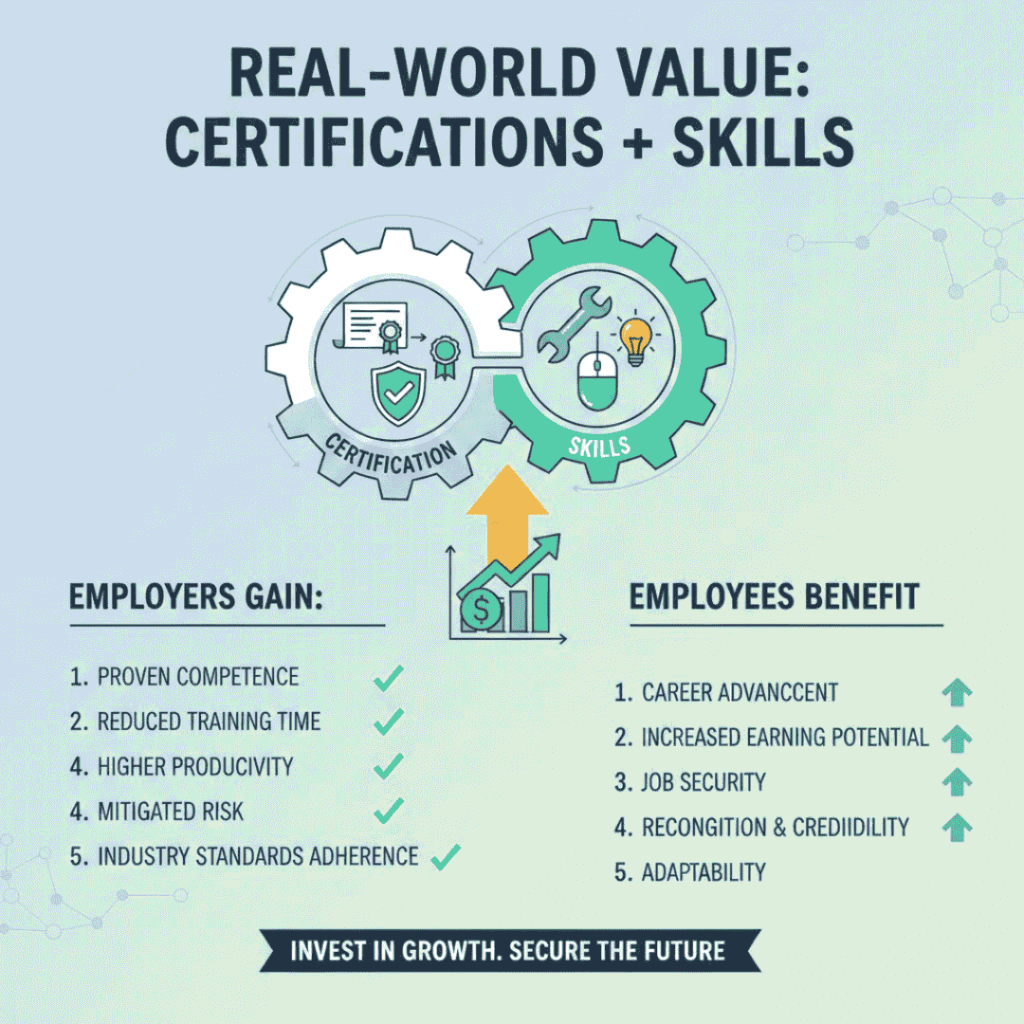
Real-World Example: Why Employers Care About Certification + Skills
A recent LinkedIn Workforce Report showed increased hiring for data-focused roles across fintech, healthcare analytics, and AI-driven retail companies. In 2025–2026, companies investing in AI products need analysts who understand data pipelines, not just dashboards.
One hiring manager I spoke to mentioned this directly:
“We don’t hire based on certificates alone. But when someone has relevant Data Analytics Certification plus real projects, it reduces our training time.”
That’s the key reduced risk for employers.
Remote Work & Global Pay Opportunities
Another reason Data Analytics Certification are valuable? Remote flexibility.
Many analytics professionals now work for international companies while living elsewhere. Certification plus demonstrable skills creates global eligibility. This wasn’t common five years ago.
And yes, analytics courses online make this path accessible without quitting your job.
How to Maximize ROI from Data Analytics Certification
Let me be practical here. If you’re investing time and money, do this:
- Choose structured Data Analytics Certification with project depth.
- Build a visible portfolio (GitHub + LinkedIn).
- Document one real-world business problem you solved.
- Practice explaining your project clearly non-technical explanation matters.
- Stay updated on AI integration trends in analytics.
The analytics field is merging rapidly with AI tools. Analysts who understand automation, prompt engineering basics, and data interpretation alongside traditional BI skills will dominate higher salary brackets
Common Mistakes to Avoid
- Gathering more than a few basic certificates: Jack of all but master of none
- Ignoring SQL (huge mistake)
- Skipping real datasets
- Focusing only on theory
- Avoiding interview preparation
Just remember; Data Analytics Certification are the kickstarters and not the shortcuts.
Are Data Analyst Certifications Worth It in 2026?
If you want a high-paying, stable career that you can train for and then use as a permission slip to borrow gobs of money then yes.
But here’s the blunt truth: they work best when you consider them a framework for mastery, not an automatic guarantee.
The job market is hot, but it’s also skill-starved. Companies want professionals to translate data, automate processes and inform decisions.
When The Data Analytics Certification Dones Right Become Your Layer Of Credibility: And when you combine that with the hands-on experience of analytics courses online, a solid base from a data analytics python course and organized data analytics training and placement help you won’t just be job ready.
Conclusion
Data Analytics Certifications can open doors to high-paying roles when they’re backed by real skills, hands-on projects, and continuous learning. Choose programs that teach practical tools, not just theory. In today’s competitive market, the right certification combined with experience can genuinely accelerate your analytics career and long-term earning potential.