Yes, in most modern cybersecurity programs, H2K Infosys also reflects this approach, where you do learn how to use industry tools like Wireshark, Metasploit, and Kali Linux because they are considered core, real-world tools used daily by security analysts, penetration testers, and SOC teams. Learning these tools is often essential for anyone serious about building practical skills that align with real industry environments and current cybersecurity job expectations.
Why These Industry Tools Matter in Real Cybersecurity Work
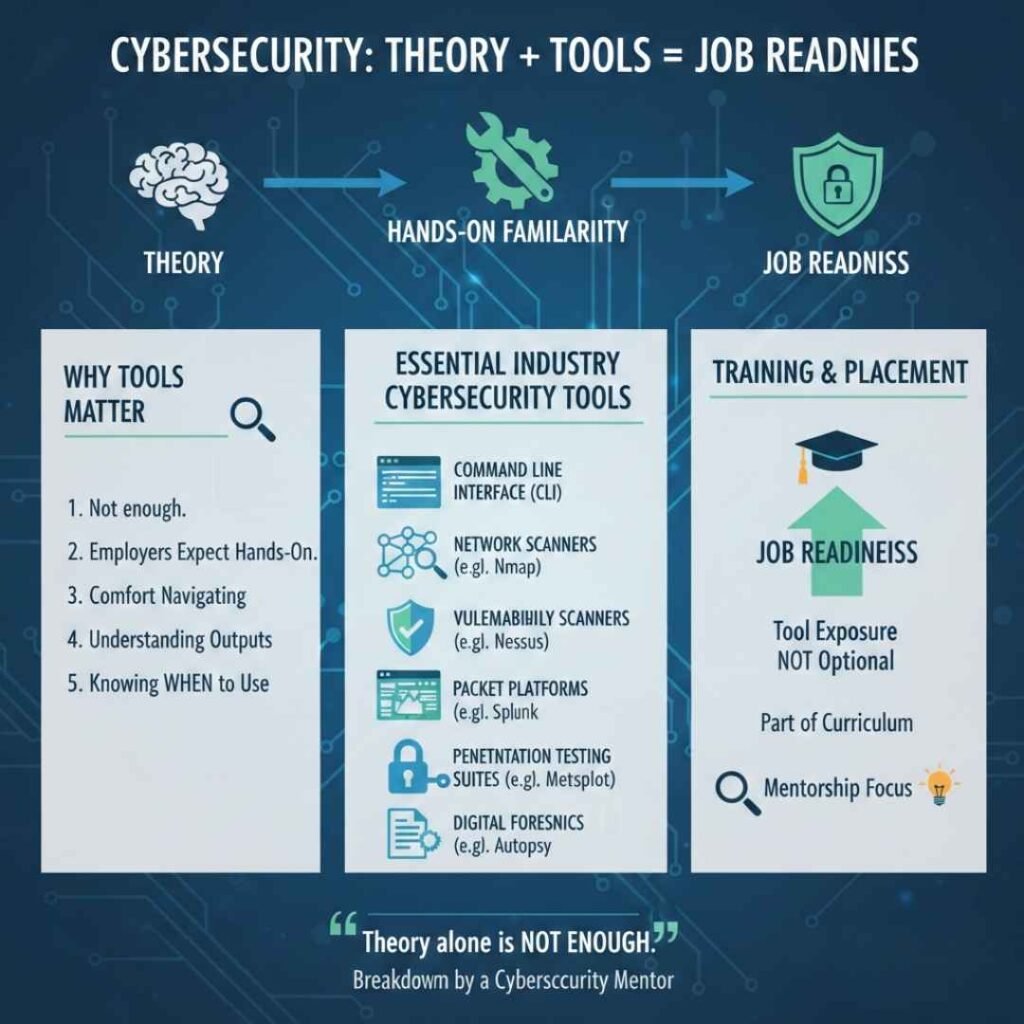
If you talk to anyone already working in security, you’ll notice something quickly: theory alone is not enough. Employers expect hands-on familiarity. Not mastery on day one, but comfort navigating industry tools, understanding outputs, and knowing when to use them.
In many cybersecurity training and placement focused programs, industry tools exposure is not optional anymore. It’s part of job readiness.
Let me break this down the way I usually explain it to beginners I mentor.
Wireshark Seeing What’s Really Happening on the Network
Wireshark is like turning on X-ray vision for network traffic.
When I first used it years ago, I remember feeling overwhelmed. So many packets, so much data. But once you understand filters and traffic patterns, it becomes incredibly powerful.
What You Typically Learn
• Packet capture basics
• Reading TCP/IP conversations
• Detecting suspicious traffic patterns
• Identifying data exfiltration attempts
• Investigating malware network behavior
Real-World Example (2026 Context)
In 2025–2026, many ransomware investigations start with network anomaly detection. Analysts often go back to packet captures to trace initial compromise points.
For example:
A company noticed unusual outbound traffic at 2 AM. Wireshark helped identify encrypted traffic to a known command-and-control IP.
That’s real SOC work not classroom theory.
Metasploit Understanding How Attackers Actually Think
Metasploit is where things get interesting. This is where defensive security meets offensive testing.
Good programs teach Metasploit ethically not as hacking for fun, but as controlled vulnerability validation.
What You Typically Practice
• Running safe penetration test simulations
• Understanding exploit frameworks
• Payload delivery basics
• Vulnerability validation workflows
• Reporting findings professionally
Many students realize here that cybersecurity is not just blocking threats, it’s understanding how attackers build them.
This is why programs connected to cyber security jobs with training often include controlled lab environments where you simulate real attack scenarios.
Kali Linux The Cybersecurity Professional’s Toolbox
Kali Linux isn’t just one industry tools. It’s an entire ecosystem.
If you’ve never seen it before, it looks intimidating. Black screen, terminal commands, hundreds of industry tools. But honestly? Once you start using it daily, it feels natural.
Skills You Usually Build
• Linux command line comfort
• Tool chaining (using multiple tools together)
• Password auditing basics
• Wireless security testing labs
• OSINT investigation exercises
By 2026, Linux familiarity is almost expected for many cybersecurity roles. Not expert level but comfortable navigating.
Where Cyber Security Sales Training Fits In (Yes, It Matters)
This surprises many people.
Technical skills alone don’t build careers anymore. Communication does.
Some advanced programs now include cyber security sales training, especially useful if you move into:
• Security consulting
• Pre-sales security engineering
• Client security advisory roles
• Security product demonstrations
I’ve seen brilliant technical professionals struggle because they couldn’t explain risk in business terms. That gap is shrinking now training programs are adapting.
How These Tools Show Up in Real Job Roles
SOC Analyst
• Wireshark for traffic analysis
• Kali industry tools for investigation
• Log correlation + threat detection
Penetration Tester
• Metasploit for exploit simulation
• Kali Linux full toolkit
• Vulnerability scanning + reporting
Security Engineer
• Packet analysis for troubleshooting
• Attack simulation for defense testing
• Automation + scripting integration
What Training Should Feel Like (If It’s Good)
From experience, strong programs usually include:
✔ Guided industry tools labs
✔ Real attack simulation environments
✔ Scenario-based assignments
✔ Incident response exercises
✔ Case study analysis
✔ Report writing practice
If you only watch demos and never touch the industry tools that’s a red flag.
Small Truth Most Blogs Don’t Say
The first time you open these industry tools, you might feel lost. Totally normal.
Everyone does.
Even experienced analysts Google commands sometimes. Security is not about memorizing commands, it’s about understanding behavior patterns.
2026 Industry Trend You Should Know
AI is now integrated into many security workflows:
• AI-assisted packet anomaly detection
• Automated exploit detection
• AI threat intelligence correlation
• Smart SIEM alert prioritization
But here’s the catch: AI tools still rely on foundational security knowledge. You still need to understand what Wireshark is showing you.
Do You Need Prior Experience Before Learning These Tools?
Not necessarily.
Many beginners start from zero. The difference is structured learning vs random YouTube tutorials.
Structured programs:
• Teach industry tools context
• Explain why you use it
• Connect industry tools to job tasks
• Build confidence gradually
Final Honest
If a cybersecurity program does not include Wireshark, Metasploit, or Kali Linux exposure, it’s probably outdated.
These are still foundational industry tools in real environments even with AI automation rising.
And honestly, the confidence you get after successfully analyzing traffic or simulating an exploit in a safe lab… that’s the moment many students realize they can actually work in cybersecurity.