Introduction
Companies rely on data to make smart decisions. They need professionals who can analyze data, create insights, and support business strategies. Because of this demand, many learners now enroll in Data analyst online classes and certification programs. However, a common question remains: How do employers evaluate data analytics certifications?
Employers do not simply look at a certificate name. They examine the skills, tools, and real-world experience behind the certification. Hiring managers want proof that a candidate can work with data, interpret results, and communicate findings clearly.
Programs like the Google data analytics certification and structured training programs such as the H2K Infosys Analytics Certification help candidates develop practical skills. But employers evaluate these credentials using several factors, including course curriculum, hands-on experience, tool knowledge, and real project exposure.
This article explains how employers evaluate data analytics certifications, what hiring managers expect from candidates, and how learners can choose the right certification to build a strong career in data analytics.
Why Data Analytics Certifications Matter in Hiring
It is become one of the fastest-growing career paths in the technology and business sectors. Organizations across industries need professionals who can work with data effectively.
Employers value certifications because they provide evidence that a candidate has structured training in data analytics.
Certifications help employers verify:
- Knowledge of data analysis concepts
- Familiarity with tools like SQL, Excel, Python, and visualization platforms
- Understanding of business problem solving
- Ability to work with real datasets
- Commitment to professional learning
However, employers do not evaluate certifications alone. They examine the practical outcomes of the training.
A certification that includes projects, case studies, and industry scenarios carries much more value than a course that only teaches theory
Key Factors Employers Use to Evaluate Data Analytics Certifications
Employers evaluate certifications using several criteria. Understanding these factors can help learners choose the right program and build skills that match industry needs.
1. Curriculum Relevance
Employers first examine the topics covered in the certification program.
A strong data analytics certification should include:
- Data cleaning and preparation
- Data analysis techniques
- Data visualization methods
- Statistical fundamentals
- Business analytics concepts
- Data storytelling
Programs such as the Google data analytics certification focus on practical analytics workflows. This helps learners understand how real companies analyze data.
Training providers like H2K Infosys Data Analytics Certification also design curricula based on industry requirements.
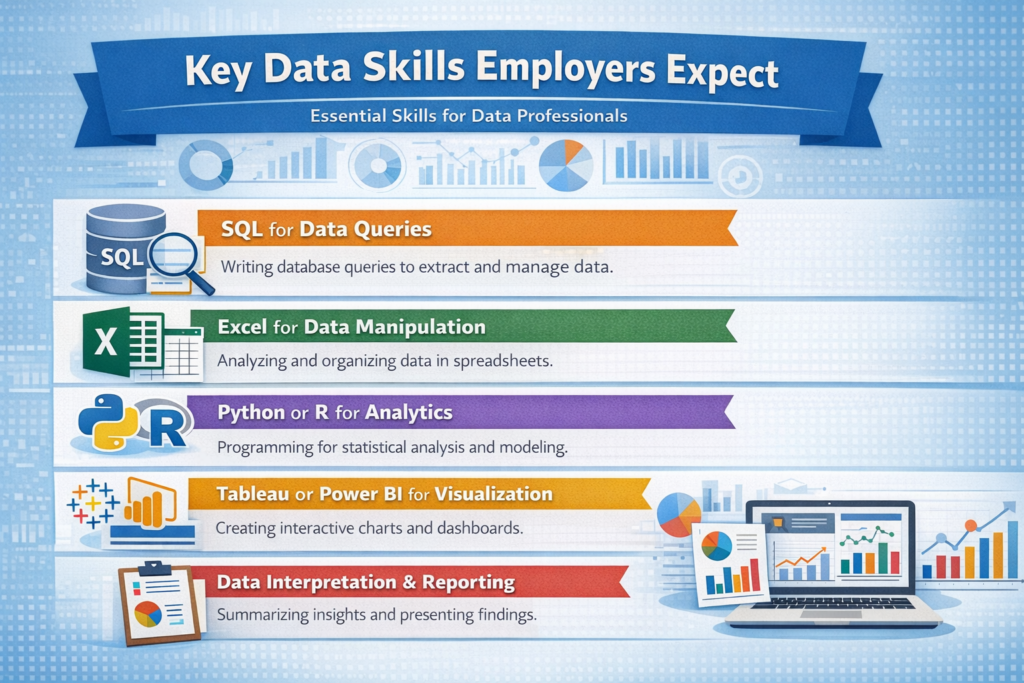
Important topics employers expect:
- SQL for data queries
- Excel for data manipulation
- Python or R for analytics
- Tableau or Power BI for visualization
- Data interpretation and reporting
If a certification covers these skills, employers view it as more valuable.
2. Hands-On Project Experience
Employers prefer candidates who have worked with real datasets.
Practical projects show that the learner can apply knowledge in real scenarios.
Examples of analytics projects include:
- Sales performance analysis
- Customer segmentation analysis
- Marketing campaign performance evaluation
- Financial trend analysis
- Website traffic analytics
When students complete Data analyst online classes, employers often ask about the projects completed during training.
Projects help employers evaluate:
- Problem-solving ability
- Analytical thinking
- Data interpretation skills
- Business insight development
Programs like the H2K Infosys Data Analytics Certification include practical exercises that simulate real business problems.
3. Knowledge of Industry Tools
Tools play a major role in this jobs. Employers expect candidates to be comfortable with popular analytics platforms.
Common tools include:
Data Processing Tools
- Excel
- SQL
- Python
Data Visualization Tools
- Tableau
- Power BI
- Google Data Studio
Data Management Platforms
- Databases
- Cloud data tools
Certifications that include hands-on tool training attract more employer attention.
For example, the Google data analytics certification emphasizes data cleaning, analysis, and visualization using common tools.
Similarly, H2K Infosys Data Analytics Certification integrates tool training with real-time project work.
4. Real-World Business Understanding
It is not only about numbers. Employers need professionals who understand business goals and decision-making.
Hiring managers look for candidates who can:
- Identify patterns in data
- Explain insights in simple language
- Recommend business actions based on analysis
- Present findings to stakeholders
Certifications that teach data storytelling and business communication stand out in job applications.
For example, a candidate who analyzes sales data and explains how to increase revenue demonstrates real business value
5. Portfolio and Case Studies
Employers often ask candidates to share a portfolio of data analytics projects.
A portfolio proves that the candidate can apply analytics techniques in practical scenarios.
A strong data analytics portfolio may include:
- Data dashboards
- SQL queries
- Python notebooks
- Visualization reports
- Business insight presentations
Students who complete Data analyst online classes should create a project portfolio during training.
Programs like the H2K Infosys Data Analytics Certification encourage learners to build portfolios that demonstrate analytical thinking.
Example of a Simple Data Analysis Workflow
Employers often evaluate candidates based on how they approach a typical analytics workflow.
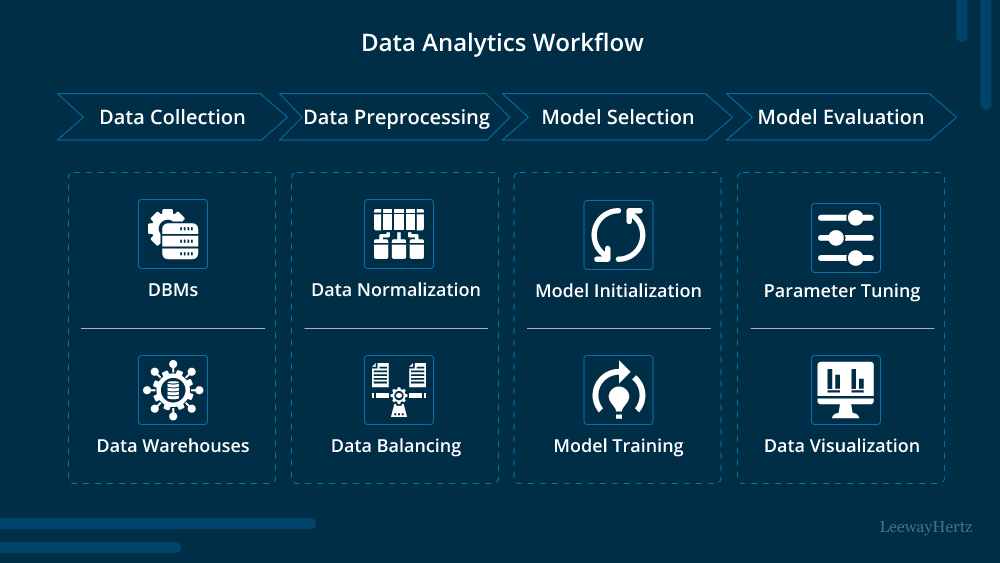
Below is a simple example.
Step 1: Load Data
import pandas as pd
data = pd.read_csv("sales_data.csv")print(data.head())Step 2: Clean Data
data = data.dropna()Step 3: Analyze Data
sales_by_region = data.groupby("Region")["Sales"].sum()print(sales_by_region)Step 4: Visualize Insights
sales_by_region.plot(kind="bar")This workflow shows how analysts process data, identify patterns, and generate insights.
Employers value certifications that teach these practical workflows.
How Data Analyst Online Classes Help Candidates Build Job Skills
Online learning has become a popular way to enter the data analytics field.
Many professionals now choose Data analyst online classes because they offer flexibility and practical learning.
Benefits of online analytics training:
- Learn from industry experts
- Work on real-world projects
- Access recorded sessions
- Build a professional portfolio
- Gain practical tool experience
Training programs like the H2K Infosys Data Analytics Certification combine structured coursework with hands-on training. This helps learners develop skills that employers actually use in the workplace.
Comparing Data Analytics Certifications
Different certifications focus on different learning styles and skill levels.
Below is a simplified comparison.
| Certification | Key Focus | Skill Level |
| Google data analytics certification | Beginner-friendly analytics workflow | Entry-level |
| H2K Infosys Data Analytics Certification | Practical projects and job-focused training | Beginner to intermediate |
| University analytics programs | Academic theory and research | Advanced |
Employers usually prefer certifications that include practical learning and project work.
Tips for Choosing the Right Data Analytics Certification
Choosing the right certification can significantly impact career opportunities.
Here are important factors to consider:
1. Industry-Relevant Skills
Choose a program that teaches tools used in real data analytics jobs.
2. Hands-On Projects
Projects demonstrate your ability to solve business problems.
3. Mentorship and Guidance
Instructor support improves learning outcomes.
4. Portfolio Development
A strong portfolio improves job interview success.
5. Career-Focused Training
Programs like the H2K Infosys Data Analytics Certification focus on job-ready skil
Future Demand for Data Analytics Professionals
The demand for analytics professionals continues to grow across industries.
Organizations in sectors such as:
- Healthcare
- Finance
- E-commerce
- Marketing
- Technology
depend on data-driven decision-making.
Industry reports show that companies increasingly invest in analytics talent to improve operational efficiency and customer insights.
Because of this demand, professionals who complete strong certifications gain a competitive advantage in the job market.
Key Takeaways
- Employers evaluate data analytics certifications based on skills, projects, and tool knowledge.
- Certifications that include hands-on analytics training have greater hiring value.
- Knowledge of SQL, Excel, Python, and visualization tools is essential.
- A strong data analytics project portfolio increases job opportunities.
- Programs like Google data analytics certification and H2K Infosys Data Analytics Certification help learners build practical analytics skills.
Conclusion
Start building real-world data analytics skills through structured training and hands-on projects.
Explore Data analyst online classes at H2K Infosys and gain practical experience that employers value.