Data analytics training typically includes a structured learning path that progresses from foundational concepts to advanced analytical techniques and enterprise-level tool usage. A well-designed program integrates beginner-friendly modules such as data fundamentals and visualization basics, followed by intermediate and advanced skills in SQL, business intelligence platforms, and real-world analytics workflows. This progression ensures learners can gradually build practical competencies aligned with modern IT and business environments.
What Is Data Analytics Training?
Data analytics training is a professional learning program designed to help individuals understand how to collect, process, analyze, and interpret structured and unstructured data for decision-making purposes. Programs offered by institutions such as H2K Infosys commonly start with foundational topics like data types, basic statistics, and spreadsheet operations before introducing advanced analytical tools and reporting frameworks.
At the beginner level, learners focus on:
- Understanding data sources and formats
- Performing basic data cleaning and transformation
- Learning fundamental query writing concepts
- Exploring introductory dashboard design
As learners progress, Data analytics training expands into deeper technical areas, including data modeling, predictive insights, performance optimization, and enterprise reporting practices. This layered structure allows working professionals to build confidence gradually while aligning their learning with industry expectations.
Does Data Analytics Training Progress From Beginner to Advanced Levels?
Yes, most structured Data analytics training programs are intentionally designed with a step-by-step progression model. The learning journey typically follows three major stages:
Beginner Level Progression
At this stage, learners gain conceptual clarity about data handling and analysis fundamentals. In many H2K Infosys learning paths, beginner modules focus on:
- Introduction to business intelligence concepts
- Basics of SQL query execution
- Fundamental visualization using Power BI or Tableau
- Understanding real-world datasets
This stage prioritizes clarity and foundational understanding rather than tool mastery. Learners are encouraged to practice simple tasks such as generating summary reports and visual comparisons.
Intermediate Skill Development
As learners gain confidence, Data analytics training moves toward more structured analytical workflows. Intermediate modules may include:
- Writing complex SQL joins and aggregations
- Creating interactive dashboards in Power BI
- Designing storytelling visuals in Tableau
- Understanding data warehousing basics
At this level, learners start working with simulated enterprise scenarios, such as analyzing sales performance data or monitoring operational trends.
Advanced Analytics and Enterprise Application

Advanced modules emphasize decision-support analytics and production-ready reporting techniques. These often include:
- Data transformation using advanced query logic
- Building performance dashboards for leadership teams
- Applying statistical reasoning for business forecasting
- Implementing governance practices in BI reporting
In H2K Infosys programs, advanced progression also introduces real-time project simulations to replicate enterprise analytics tasks.
How Do Tools Like Power BI, Tableau, and SQL Fit Into the Learning Progression?
Modern Data analytics training integrates widely adopted analytics tools at different stages of the learning curve. These tools serve specific purposes within the progression model.
SQL in Foundational and Intermediate Learning
SQL is usually introduced early because it supports direct interaction with relational databases. Learners practice:
- Data retrieval using SELECT statements
- Filtering and grouping datasets
- Writing joins to combine multiple tables
- Optimizing queries for performance
SQL proficiency enables learners to transition from theoretical understanding to hands-on analytical tasks.
Power BI in Visualization and Reporting Development
Power BI modules in Data analytics training often appear after basic data handling skills are established. Learners work on:
- Building data models
- Designing interactive dashboards
- Implementing calculated measures
- Publishing reports for collaborative review
These skills simulate enterprise reporting workflows commonly used in finance, operations, and marketing analytics.
Tableau for Advanced Visual Storytelling
Tableau training modules focus on advanced data visualization design. Learners explore:
- Data blending and visualization best practices
- Creating user-driven dashboards
- Applying visual analytics techniques
- Presenting actionable insights to stakeholders
This stage supports the transition from technical reporting to strategic data communication.
Why Is Beginner-to-Advanced Progression Important in Data Analytics Training?
A structured progression model ensures that learners build sustainable competencies rather than fragmented knowledge. In real-world IT environments, analytics tasks are interconnected. Professionals must understand data extraction, transformation, visualization, and interpretation as part of a unified workflow.
Data analytics training with gradual progression helps professionals:
- Avoid cognitive overload during early learning stages
- Develop practical problem-solving skills
- Align training outcomes with enterprise analytics expectations
- Gain confidence in handling large and complex datasets
Programs designed by H2K Infosys often incorporate incremental assignments and guided projects to reinforce skill continuity.
What Real-World Workflows Do Learners Practice During Advanced Stages?
Advanced Data analytics training typically simulates enterprise scenarios to ensure job readiness. Learners may work on workflows such as:
- Connecting BI tools to cloud or on-premise databases
- Cleaning and transforming raw operational datasets
- Designing executive dashboards for performance monitoring
- Conducting trend analysis for forecasting business outcomes
These practical exercises reflect how analytics teams operate in production environments, where collaboration, data governance, and performance optimization are essential.
What Skills Should Learners Expect to Develop Across the Progression Path?
Throughout the Data analytics training journey, learners gradually build both technical and analytical competencies.
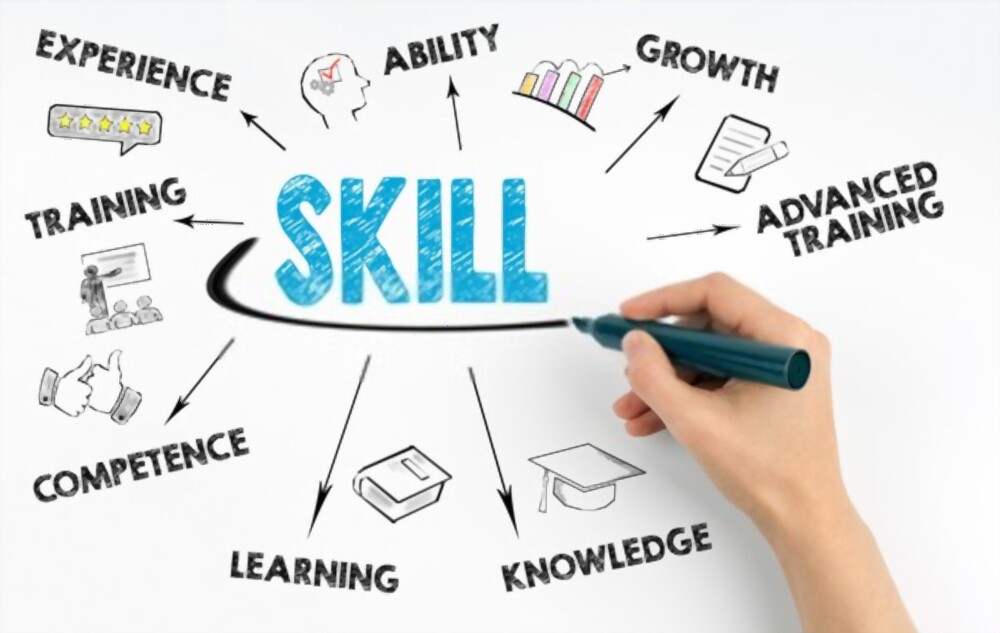
Key skill categories include:
- Data querying and database interaction
- Visualization design and dashboard usability
- Analytical reasoning and interpretation
- Communication of insights to business stakeholders
- Understanding enterprise analytics constraints
H2K Infosys training modules typically integrate guided labs and structured feedback to support skill mastery at each stage.
FAQ: Beginner to Advanced Progression in Data Analytics Training
Does Data analytics training require prior programming experience?
Most beginner modules are designed for learners without coding backgrounds. SQL and visualization tools are introduced gradually.
How long does it take to progress from beginner to advanced level?
Progression timelines vary, but structured Data analytics training programs often span several months, depending on learning pace and project complexity.
Are real projects included in advanced learning stages?
Yes, advanced modules commonly include simulated enterprise projects involving dashboard creation, data modeling, and performance reporting.
Can working professionals manage this progression alongside jobs?
Many programs, including those at H2K Infosys, use flexible schedules and modular learning paths suitable for professionals.
Is certification aligned with skill progression?
A Data Analytics certification typically reflects competency across foundational, intermediate, and advanced analytical domains.
Conclusion
A well-structured Data Analytics certificate online program includes a clear beginner-to-advanced progression model that supports skill continuity, practical application, and enterprise readiness.
Key Takeaways:
- Training usually starts with data fundamentals and progresses to advanced analytics workflows
- Tools like SQL, Power BI, and Tableau are introduced in phased learning stages
- Real-world project simulations support job-relevant skill development
- Progressive learning improves confidence and analytical decision-making ability
Explore H2K Infosys courses to gain structured, hands-on experience in analytics tools and workflows.
Enroll to build practical skills aligned with evolving data-driven career opportunities.