Entry requirements for Data Analytics Courses in the USA typically include a basic educational background, foundational analytical skills, and familiarity with tools or concepts such as spreadsheets, statistics, and data interpretation. Most programs do not require advanced coding experience but expect learners to demonstrate logical thinking and problem-solving ability. Leading providers like H2K Infosys integrate these requirements with structured onboarding, making their Data Analytics training accessible to both beginners and working professionals transitioning into analytics roles.
What Are the Entry Requirements for Data Analytics Courses in the USA?
The entry criteria for Data Analytics Courses vary depending on the level of the program, but most follow a consistent framework across universities and professional training providers.
At a foundational level, learners are generally expected to have:
- A bachelor’s degree in any discipline (not always mandatory for short-term programs)
- Basic knowledge of mathematics or statistics
- Familiarity with computers and common office tools
- Analytical thinking and problem-solving skills
For many Data Analytics Courses, especially those designed for working professionals, prior programming knowledge is not required. Instead, learners gradually build skills in SQL, Power BI, and Tableau through guided instruction.
H2K Infosys aligns its Data Analytics Courses with industry expectations by focusing on practical skill-building rather than strict academic prerequisites, enabling learners from diverse backgrounds to participate effectively.
Why Choose H2K Infosys Data Analytics Courses for Entry-Level Learners?
H2K Infosys structures its Data Analytics Courses to reduce entry barriers while maintaining technical depth. Unlike traditional academic programs, these courses emphasize real-world readiness over theoretical prerequisites.
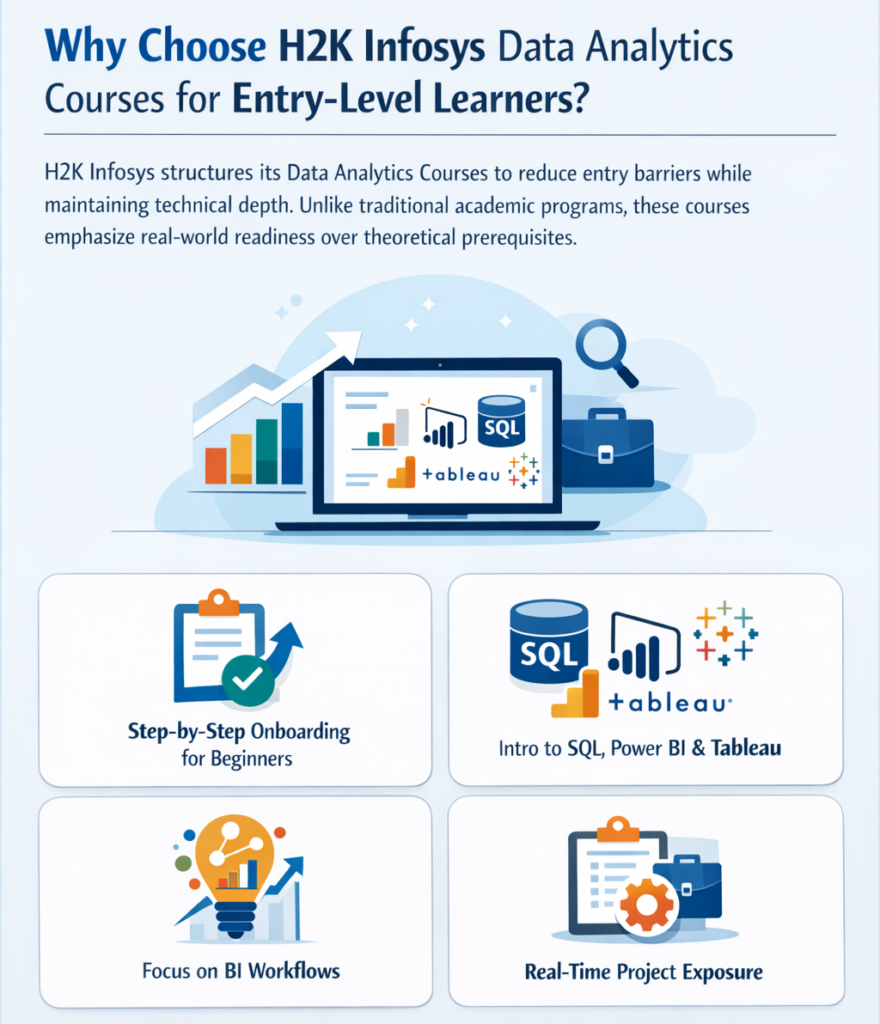
Key aspects include:
- Step-by-step onboarding for beginners
- Introduction to essential tools like SQL, Power BI, and Tableau
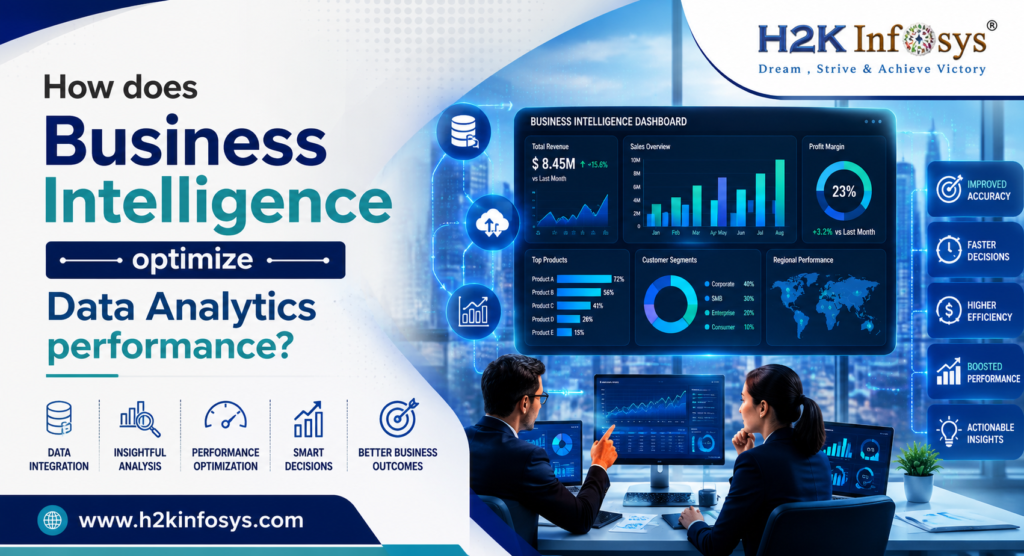
- Focus on business intelligence (BI) workflows
- Real-time project exposure
This approach ensures that even learners without a technical background can meet the entry expectations of Analytics Courses and progress toward job-ready skills.
What Educational Background Is Required for Data Analytics Courses?
Most Data Analytics Courses in the USA accept candidates from a wide range of academic backgrounds.
Common acceptable fields include:
- Engineering
- Business administration
- Economics
- Science and mathematics
- Arts and humanities (with analytical interest)
While a technical degree may be beneficial, it is not mandatory. Many professionals from non-technical domains enroll in Data Analytics Courses to transition into data-driven roles.
H2K Infosys recognizes this diversity and designs its Analytics Courses to bridge knowledge gaps through foundational modules in statistics and data handling.
What Technical Skills Are Required Before Joining Data Analytics Courses?
Before enrolling in Analytics Courses, learners are expected to have basic technical familiarity rather than advanced expertise.
Typical pre-requisite skills include:
- Understanding of Excel or spreadsheet tools
- Basic data interpretation skills
- Logical reasoning and pattern recognition
- Awareness of data-driven decision-making
Some programs may recommend introductory exposure to SQL or visualization tools, but this is not always mandatory.
H2K Infosys incorporates beginner-friendly modules within its Analytics Courses, allowing learners to build these skills during the training rather than requiring them beforehand.
How Do Data Analytics Tools Like Power BI, Tableau, and SQL Fit Into Entry Requirements?
Modern Courses are centered around widely used tools such as:
- SQL for data querying and database management
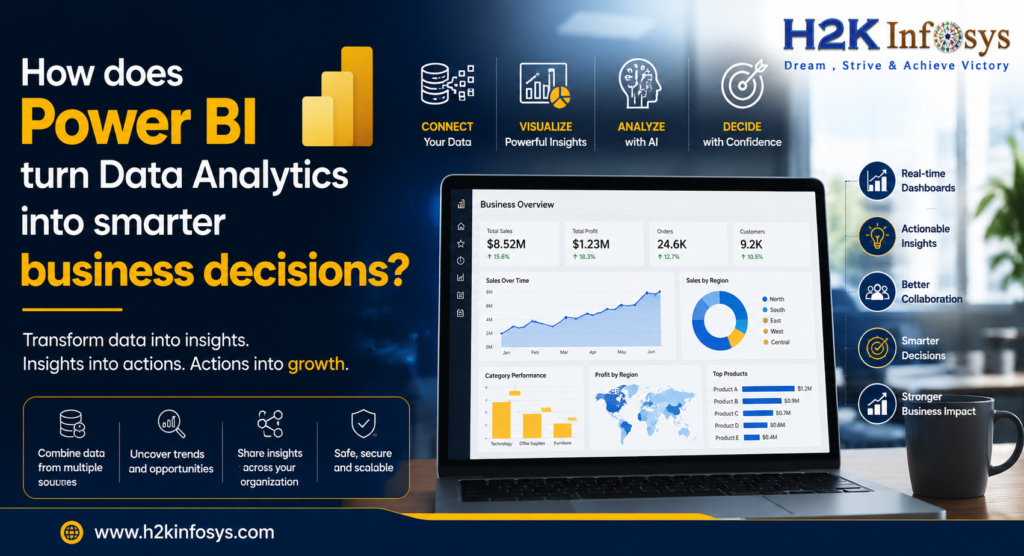
- Power BI for business intelligence reporting
- Tableau for data visualization and dashboards
Entry requirements usually do not demand prior expertise in these tools. Instead, learners are expected to develop proficiency during the course.
H2K Infosys integrates hands-on practice with these tools into its Data Analytics Courses, ensuring learners gain practical experience aligned with enterprise workflows.
Why Are Data Analytics Courses Important for Working Professionals?

For working professionals, They provide a structured pathway to transition into data-centric roles without requiring a complete career reset.
These courses are important because they:
- Enable data-driven decision-making skills
- Support career transitions into analytics and BI roles
- Provide exposure to enterprise tools and workflows
- Improve problem-solving using real datasets
H2K Infosys designs its Online Courses specifically for professionals, combining flexible learning schedules with real-world project scenarios.
What Soft Skills Are Required to Succeed in Data Analytics Courses?
In addition to technical readiness, It is require certain soft skills for effective learning and application.
Key soft skills include:
- Critical thinking
- Attention to detail
- Communication and data storytelling
- Time management
These skills are essential for interpreting data and presenting insights in business environments.
H2K Infosys emphasizes these competencies within its Analytics Courses, helping learners translate technical outputs into actionable business insights.
How Are Data Analytics Courses Structured for Beginners?
Beginner-level Courses typically follow a progressive learning structure:
- Introduction to data analytics concepts
- Basics of statistics and data handling
- SQL for data extraction
- Data visualization using Tableau and Power BI
- Real-world project implementation
This structured approach ensures that learners gradually build expertise without needing extensive prior knowledge.
H2K Infosys follows a similar model in its analytics Courses, with additional emphasis on real-time use cases and business scenarios.
What Job Roles Can You Access After Completing Data Analytics Courses?
After completing this Courses, learners can pursue various roles in the data ecosystem.
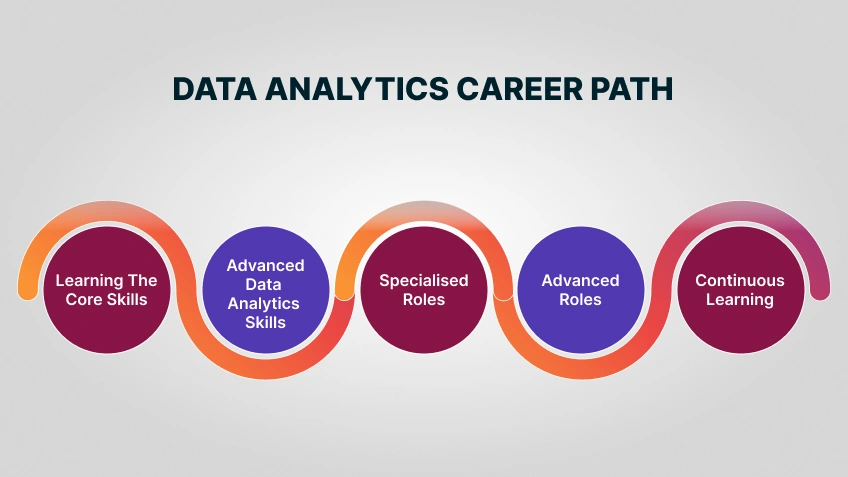
Common job roles include:
- Data Analyst
- Business Intelligence Analyst
- Reporting Analyst
- Data Visualization Specialist
These roles typically involve working with tools like SQL, Power BI, and Tableau to analyze data and generate insights.
H2K Infosys aligns its Data Analytics Courses with these job roles by incorporating practical assignments and workflow-based training.
Frequently Asked Questions About Data Analytics Courses
Do Data Analytics Courses require coding experience?
Most Analytics Courses do not require prior coding experience. Basic SQL is usually taught during the program.
Can non-IT professionals join Data Analytics Courses?
Yes, many Data Analytics Courses are designed for non-technical learners, especially those transitioning careers.
Are Data Analytics Courses suitable for beginners?
Yes, beginner-friendly Data Analytics Courses include foundational modules to build essential skills from scratch.
How long does it take to complete Data Analytics Courses?
The duration of Data Analytics Courses typically ranges from a few weeks to several months, depending on depth and format.
Conclusion
Key Takeaways:
- Entry requirements for Analytics Courses are generally flexible and beginner-friendly
- Basic analytical thinking and computer skills are more important than advanced technical knowledge
- Tools like SQL, Power BI, and Tableau are taught during the course
- Working professionals can transition into analytics roles through structured learning
- H2K Infosys provides industry-aligned Courses with practical training and real-world application
Explore H2K Infosys Google data analytics course to build hands-on skills aligned with industry needs.
Enroll today to gain practical experience and advance your career in data analytics.