Yes a good TOSCA Training License can genuinely improve automation skills, especially for professionals moving into enterprise-level testing, SAP automation, API validation, and model-based test automation. The difference becomes pretty obvious when learners move from basic script-based testing into real-world automation workflows used by large companies.
A lot of testers discover this only after struggling with Selenium-heavy maintenance projects for years. TOSCA feels different because it focuses more on reusable business flows and less on writing endless code. That shift alone changes how people think about automation.
And honestly, in 2026, companies are not just hiring “people who know automation.” They want testers who understand scalable enterprise testing ecosystems. That’s where TOSCA AS1 Certification and structured Tricentis Certification training start becoming valuable.
Why a TOSCA Training License Matters in 2026
A few years ago, many QA teams were still manually testing ERP systems, banking platforms, and healthcare applications. That’s changed fast.
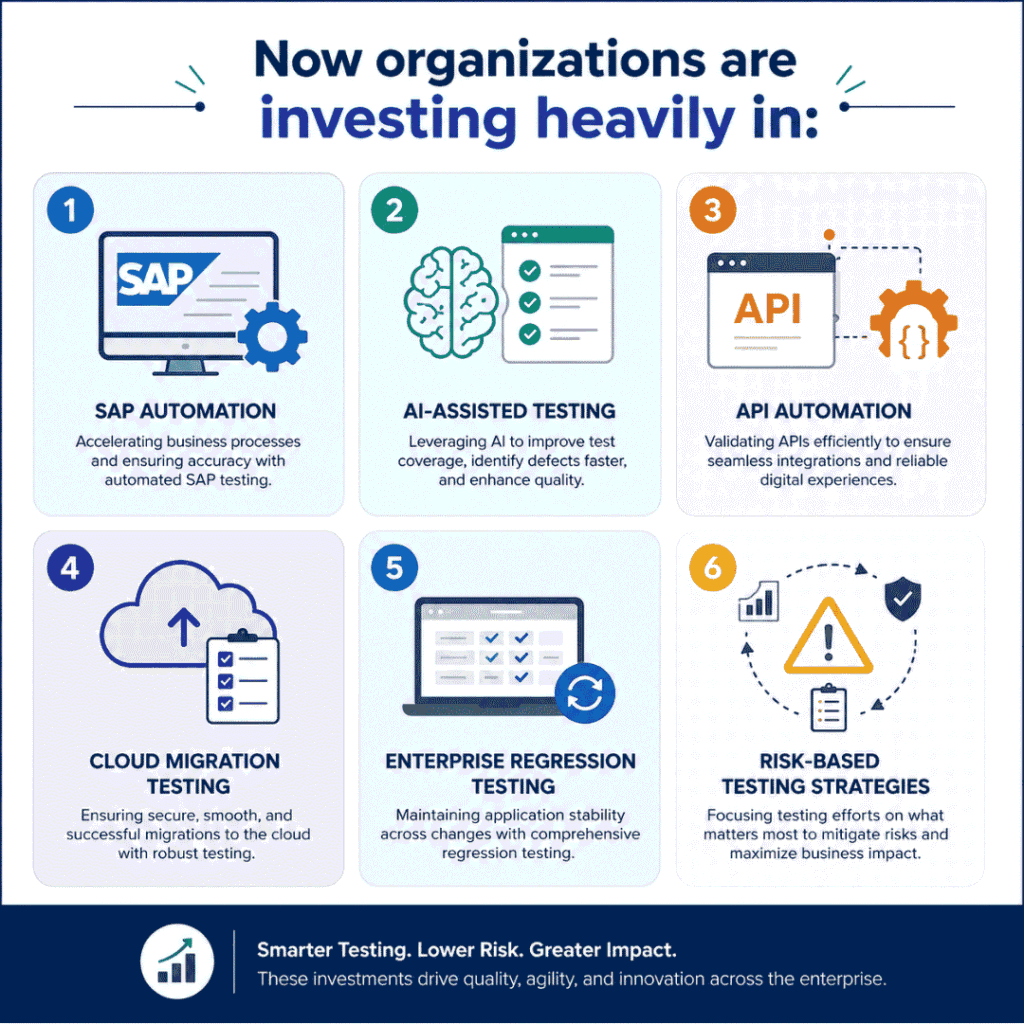
Now organizations are investing heavily in:
- SAP automation
- AI-assisted testing
- API automation
- Cloud migration testing
- Enterprise regression testing
- Risk-based testing strategies
The problem? Most automation engineers still rely only on traditional scripting frameworks.
That gap is exactly why companies are adopting Tricentis TOSCA.
A proper TOSCA Training License gives learners access to:
- Real TOSCA environments
- Enterprise testing modules
- Practice projects
- API testing scenarios
- SAP automation exercises
- Risk-based testing workflows
Without hands-on access, many people only learn theory from YouTube clips or outdated PDFs. That usually falls apart during interviews or real project work.
I’ve seen testers memorize TOSCA terminology but freeze when asked to automate an end-to-end insurance workflow or validate APIs inside a CI/CD pipeline. Practical exposure changes everything.
How TOSCA Actually Improves Automation Skills
One thing that surprises beginners is how much TOSCA changes their testing mindset.
Instead of building hundreds of fragile scripts, you learn how to design reusable automation models.
That sounds small at first. It isn’t.
Key Skills Most Learners Develop
1. Model-Based Test Automation
This is one of the biggest differences between TOSCA and older automation approaches.
Rather than hardcoding everything:
- Test modules become reusable
- Maintenance becomes easier
- Enterprise applications scale better
- Regression suites stay manageable
For large SAP or banking applications, this matters a lot.
Understanding Enterprise Automation Better
A structured Tricentis Certification path also teaches people how enterprise QA teams actually function.
That includes:
- Test case design
- Requirement mapping
- Risk-based testing
- API validations
- Test data management
- Integration workflows
A lot of self-taught automation testers miss these enterprise concepts because they only focus on writing scripts.
Companies don’t just want coders anymore.
They want automation professionals who understand business workflows.
That’s why certified TOSCA professionals are increasingly showing up in:
- Banking projects
- Healthcare systems
- Insurance platforms
- SAP transformation programs
- Retail automation initiatives
Real-World Example: Where Training Makes a Difference
One healthcare project I followed recently migrated from manual testing to TOSCA-based automation for patient workflow validation.
Initially, the QA team tried learning from scattered online videos. Progress was slow.
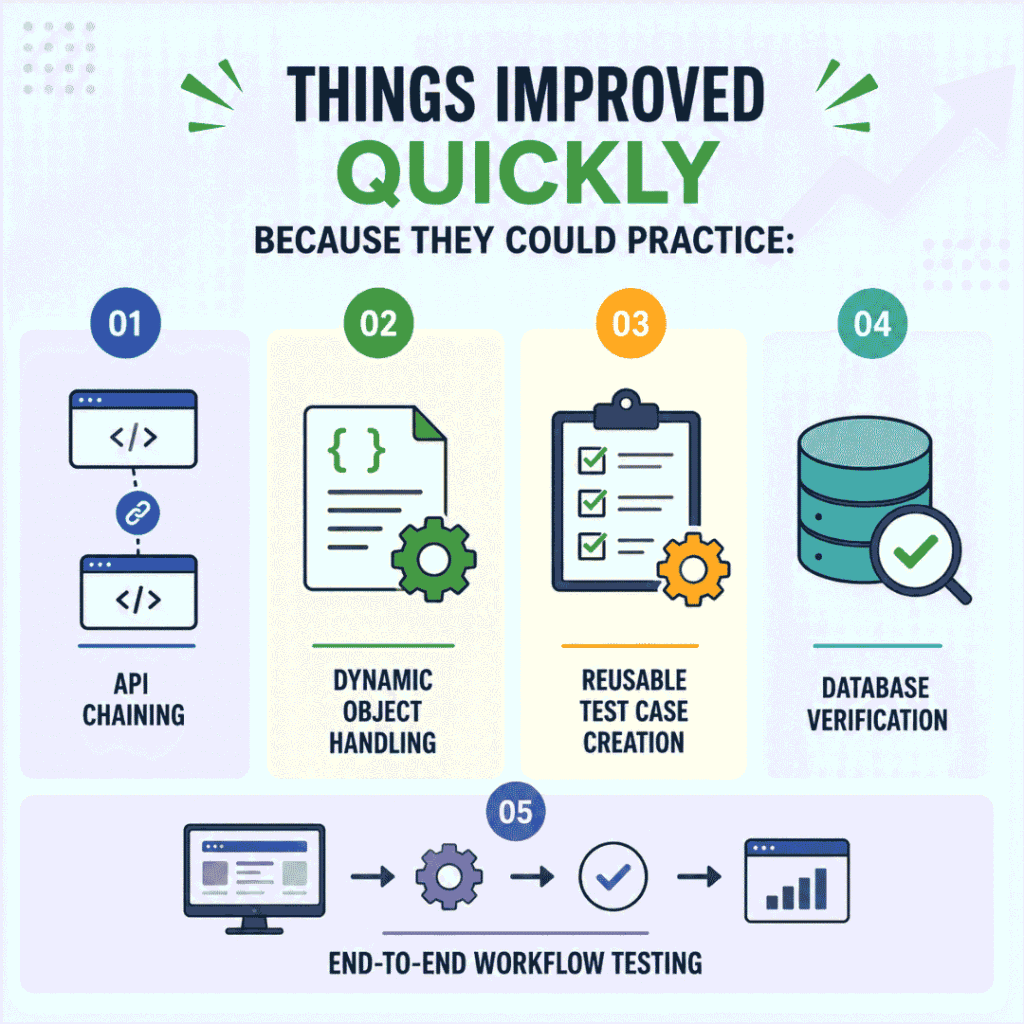
Once they got access to a structured TOSCA Training License environment with guided exercises, things improved quickly because they could practice:
- API chaining
- Dynamic object handling
- Reusable test case creation
- Database verification
- End-to-end workflow testing
Within a few months, regression execution time dropped dramatically.
That’s the part many people underestimate: enterprise automation is less about “learning a tool” and more about learning testing architecture.
Why TOSCA AS1 Certification Still Matters
Some people ask whether certifications still matter in 2026.
Honestly? They matter less than skills but certifications still help open doors.
A recognized TOSCA AS1 Certification helps because:
- Recruiters can quickly validate basic TOSCA knowledge
- Enterprise clients often prefer certified resources
- Large consulting companies use certifications during screening
- It improves resume visibility in ATS systems
The certification alone won’t make someone an expert.
But paired with hands-on project experience, it absolutely strengthens a profile.
Especially for professionals transitioning from:
- Manual testing
- Selenium-only backgrounds
- Functional testing roles
- SAP support roles
Common Mistakes Learners Make
This part rarely gets discussed openly.
Mistake 1: Only Watching Tutorials
Watching automation videos feels productive.
Actually building workflows is different.
Without practice:
- Object identification becomes confusing
- API validations feel difficult
- Test case organization gets messy
That’s why practical training access matters.
Mistake 2: Ignoring API Automation
Modern enterprise testing is deeply connected with APIs.
Strong TOSCA training now includes:
- REST API testing
- JSON validation
- Authentication handling
- Service virtualization
- Response verification
In many projects, API automation skills are becoming just as important as UI automation.
Mistake 3: Treating TOSCA Like Selenium
This happens constantly.
People try forcing scripting-heavy approaches into a model-based platform.
TOSCA works best when learners understand:
- Reusability
- Modular automation
- Risk-based testing
- Business-readable automation flows
Once that clicks, productivity improves noticeably.
Career Opportunities After Tricentis Certification
The market demand for enterprise automation engineers is still growing strongly in 2026.
Some common job roles include:
- TOSCA Automation Engineer
- QA Automation Analyst
- SAP Automation Tester
- API Automation Tester
- SDET
- Enterprise QA Consultant
In India, the US, and Europe, many large organizations continue expanding TOSCA adoption because maintaining massive Selenium frameworks became expensive and difficult.
Experienced TOSCA professionals often move into:
- Automation architecture
- QA leadership
- Enterprise transformation projects
- DevOps-integrated testing teams
Why Structured Training Helps Faster
A lot of learners waste months trying to piece together random resources.
Structured programs usually speed things up because they provide:
- Real project practice
- Guided mentorship
- Certification preparation
- Enterprise use cases
- Mock interviews
- Resume guidance
This is where institutes like H2K Infosys tend to stand out for many learners.
This set of vocational training courses focuses on hands-on enterprise practice, rather than merely preparing participants for theoretical certification exams.That matters because interviews increasingly involve scenario-based questions, not just tool definitions.
If someone is serious about building a long-term automation career, structured training can definitely reduce confusion and improve confidence faster.
Skills You Typically Gain During TOSCA Training
A quality TOSCA Training License environment usually helps learners build skills in:
- Model-based automation
- API testing
- SAP automation
- Test data management
- Risk-based testing
- CI/CD testing basics
- Regression suite optimization
- Enterprise workflow automation
- Reusable module design
Those skills transfer across industries pretty well.
Industry Trends Making TOSCA More Relevant
A few recent trends are pushing TOSCA adoption even further:
AI-Assisted Testing
Organizations now want smarter automation maintenance with less scripting overhead.
SAP S/4HANA Migration Projects
Massive SAP migration programs continue driving demand for SAP automation specialists.
Faster Release Cycles
Companies need scalable regression automation that supports DevOps pipelines.
Low-Code Automation Growth
Business-friendly automation tools are becoming more attractive for enterprise teams.
TOSCA fits naturally into all of those areas.
Related Topics You Can Also Explore
You can also explore topics like:
- “Which TOSCA Online Training Is Best for Working Professionals?”
- “How Difficult Is TOSCA AS1 Certification for Beginners?”
- “What Skills Are Needed for SAP Automation Testing?”
- “Best API Testing Practices Using TOSCA”
- “Career Growth After Tricentis Certification”
These topics work well together as part of a broader automation testing learning path.
FAQs
Is TOSCA good for beginners in automation testing?
Yes, especially for professionals who want to enter enterprise automation without becoming full-time programmers. TOSCA’s model-based approach is often easier for beginners to understand.
Does TOSCA AS1 Certification help in getting jobs?
It can improve resume visibility and help during initial screening rounds. Practical project experience combined with certification gives stronger results.
What is included in a TOSCA Training License?
This training is authorized to provide five categories of supporting practical training resources that cover the full learning process: TOSCA tools, hands-on automation practice labs, API test exercises, SAP business scenarios, and certification exam preparation environments.
Is Tricentis Certification worth it in 2026?
Against the backdrop of recent external doubts raised about the value of certification for enterprise QA (Quality Assurance) positions, professionals holding Tricentis certification are highly sought after by companies that have deployed SAP systems, banks, and enterprises operating large-scale automation projects.
Can manual testers transition into TOSCA automation?
Absolutely. Many successful TOSCA professionals started in manual testing and gradually moved into automation through structured training and practice.
Final Thoughts
Many people mistakenly believe that automation capabilities can be developed solely via TOSCA training licenses; true capabilities originate from three core sources: practice in real-world scenarios, design reuse, and modern QA operations.
Still, structured learning paired with TOSCA AS1 Certification and practical Tricentis Certification preparation can absolutely accelerate automation skills in today’s market.
The biggest difference I’ve noticed is confidence.
People who practice real workflows stop thinking like tool users and start thinking like automation engineers.
And that shift is what companies are really hiring for now.