Introduction
The demand for cybersecurity professionals continues to rise, and organizations now look for experts who understand Cybersecurity Roles, Processes, and Operating System Security at a deeper level. Modern threats target networks, cloud systems, devices, and operating systems, so skilled professionals must handle real-world incidents with confidence.
This complete guide helps learners preparing for Cyber security training, CEH Certification, online classes cyber security, and job-oriented programs like Cyber security training and placement or Cyber security analyst training online. It covers security job roles, industry processes, Windows and Linux OS security, attack scenarios, and practical hands-on steps used in enterprise environments.
The goal is to simplify technical topics, demonstrate real-world applications, and prepare you for careers in cybersecurity with clarity and confidence.
Why Cybersecurity Knowledge Matters More Than Ever
Cyber attacks now affect businesses of every size. Studies show that more than 70% of global companies have faced at least one major incident in the last 12 months. With stronger attacks and advanced technologies used by threat actors, organizations urgently need professionals who understand Cybersecurity Roles, Processes, and Operating System Security thoroughly.
This knowledge helps professionals:
- Detect threats early
- Respond quickly and accurately
- Secure operating systems
- Strengthen network architecture
- Prevent data breaches
- Support compliance and audits
- Improve overall resilience
The best way to build these skills is through structured learning, hands-on labs, and real-time practice, core components of job-focused training programs.
Understanding Cybersecurity Roles
A successful cybersecurity program depends on clearly defined job roles. Each role contributes to the defenses that protect applications, systems, networks, and data. Understanding Cybersecurity Roles, Processes, and Operating System Security helps professionals know how their responsibilities connect with the bigger picture.
Below are the most important cybersecurity roles found in modern organizations.
Security Analyst (SOC Analyst)

This is the most common starting role for beginners after completing Cyber security training and job placement programs. Security analysts work inside a Security Operations Center (SOC) and monitor systems for signs of attacks.
What SOC analysts handle:
- Alert monitoring
- Threat detection
- Initial investigation
- Malware analysis
- Firewall rule reviews
- User behavior analysis
- Incident documentation
Real-world example:
If a login attempt comes from an unusual country at midnight, the SOC analyst checks logs, verifies user identity, and blocks possible threats.
Mastering Cybersecurity Roles, Processes, and Operating System Security is essential for SOC success.
Penetration Tester (Ethical Hacker)

Pen testers help organizations stay ahead of attackers by finding weaknesses before criminals do. Their work follows structured testing processes and operating system exploitation techniques.
Their tasks include:
- Running vulnerability scans
- Discovering misconfigurations
- Exploiting weak passwords
- Testing firewalls
- Conducting network penetration tests
This role connects strongly with CEH Certification and practical cyber security training.
Security Engineer
Security engineers design and maintain security controls that help prevent attacks. Their work is deeply connected with Cybersecurity Roles, Processes, and Operating System Security because they focus on system protection from the ground up.
Key responsibilities:
- Configuring firewalls
- Hardening Windows and Linux systems
- Setting authentication rules
- Designing secure network architecture
- Deploying endpoint security tools
Incident Responder
Incident responders take action when an attack occurs. Their work includes analyzing what happened, isolating affected systems, and restoring safe operations.
Steps taken by an incident responder:
- Collect evidence
- Check logs
- Remove malware
- Identify attack vectors
- Conduct post-incident reviews
Their actions follow well-established response processes.
GRC Analyst
Governance, Risk, and Compliance (GRC) analysts ensure organizations follow required standards. They do not fix systems directly, but they guide the policies that secure them.
GRC responsibilities include:
- Creating security policies
- Conducting audits
- Reviewing compliance requirements
- Reporting risks
Core Cybersecurity Processes
Cybersecurity roles follow important processes that help teams maintain strong defenses. These processes are the foundation of Cybersecurity Roles, Processes, and Operating System Security and guide how teams detect, handle, and prevent threats.
SOC Monitoring Cycle
SOC operations follow a continuous cycle that includes:
- Monitoring: Checking alerts, logs, and dashboards
- Detection: Identifying unusual activity
- Analysis: Confirming whether activity is malicious
- Response: Blocking threats
- Recovery: Restoring systems
This structured approach helps prevent incidents from spreading.
Incident Response Lifecycle
Organizations use a standard incident response model that supports Cybersecurity Roles, Processes, and Operating System Security.
Lifecycle stages:
- Preparation – building tools and training
- Detection – identifying the threat
- Containment – isolating affected systems
- Eradication – removing the threat
- Recovery – restoring operations
- Lessons Learned – preventing repeat attacks
Vulnerability Management
This process identifies weaknesses and ensures they are fixed.
Steps:
- Scan systems regularly
- Validate vulnerabilities
- Prioritize based on risk
- Patch and update systems
- Verify fixes
Tools used include scanners, SIEM platforms, ticketing systems, and patch management tools.
Access Control and Identity Management
Access control is one of the most important parts of Cybersecurity Roles, Processes, and Operating Access control is one of the most important parts of Cybersecurity Roles, Processes, and Operating System Security.
Organizations must ensure:
- Strong passwords
- Multi-factor authentication
- Least privilege
- Regular access reviews
Weak access controls cause a large percentage of data breaches. This is why mastering Cybersecurity Roles, Processes, and Operating System Security helps professionals design strong identity and access frameworks.
Operating System Security Explained
Operating system security is the base layer of an organization’s protection model. Cybersecurity Roles, Processes, and Operating System Security concepts teach professionals how OS controls prevent attacks at their earliest point.
Every operating system — Windows, Linux, iOS, Android, and macOS — includes built-in security mechanisms. Professionals must understand how to configure and strengthen them.
Windows Security
Windows is the most commonly used enterprise OS, so attackers target it frequently. Professionals must know its security features, logs, and hardening steps.
Key Security Features
- Windows Defender – built-in antivirus
- BitLocker – encrypts data to prevent theft
- User Account Control (UAC) – prevents unauthorized changes
- Windows Firewall – blocks harmful connections
These features play a major role in Cybersecurity Roles, Processes, and Operating System Security.
Windows Logs and Monitoring
Event Viewer records important activities:
- Login attempts
- Failed logins
- Privilege changes
- Software installations
- Firewall modifications
Log monitoring is critical for identifying threats.
Windows Hardening Steps
To secure Windows, professionals must:
- Disable unnecessary services
- Apply OS updates
- Enforce strong passwords
- Turn on BitLocker
- Enable UAC
- Restrict admin privileges
- Configure firewall rules
Hardening strengthens system defenses and supports job readiness.
Linux Security
Linux is widely used for servers, cloud systems, databases, and cybersecurity tools. Security professionals must understand how Linux supports Cybersecurity Roles, Processes, and Operating System Security.
Built-in Linux Security Features
- SELinux or AppArmor
- File permissions
- firewalld / iptables
- SSH encryption
- sudo privilege control
These tools help protect Linux systems from internal and external threats.
Important Linux Security Commands
last                     # View login history

lastb                    # View failed login attempts

systemctl list-units     # View services

netstat -tulnp           # Check open ports

iptables -L              # View firewall rules
These commands help analysts inspect security issues quickly.
Linux Hardening Checklist
- Disable root login
- Use SSH keys instead of passwords
- Restrict sudoers file
- Enable firewall rules
- Conduct log rotation
- Patch systems regularly
Mobile OS Security
Mobile devices now form part of enterprise infrastructure, so they must be secured properly. Understanding Cybersecurity Roles, Processes, and Operating System Security helps teams apply strong mobile protection policies across Android and iOS ecosystems.
Android:
- Application sandboxing
- Google Play Protect
- Encrypted file systems
iOS:
- Secure enclave
- App review process
- Hardware-backed encryption
Mobile devices now form part of enterprise infrastructure, so they must be secured properly.
Real-World Case Studies
Case studies help demonstrate how Cybersecurity Roles, Processes, and Operating System Security work in practice.
Hospital Ransomware Attack
A hospital lost access to patient systems after ransomware affected Windows servers.
The SOC team used strong OS logs, updated antivirus tools, isolated infected machines, and restored clean backups.
This incident shows how important OS-level security and response processes are.
Corporate Data Breach from Weak Passwords
A company used outdated password policies.
Attackers used brute-force methods to access admin accounts.
Security engineers then enforced stronger password complexity, MFA, and regular audits.
Hands-On Windows Security Lab
This is a beginner-friendly practice activity used in training programs.
Step 1: Turn on Windows Firewall
Open Windows Security → Firewall → Enable all profiles.
Step 2: Set antivirus protection
Enable real-time monitoring.
Step 3: Turn on BitLocker
Encrypt system drives to protect data.
Step 4: Apply password rules
Use Local Security Policy to enforce lockout thresholds.
Step 5: Review security logs
Check Event Viewer for suspicious attempts.
Hands-on activities support long-term learning and job readiness.
Career Growth and Job Opportunities
Cybersecurity roles are among the fastest-growing jobs worldwide. Learners who understand Cybersecurity Roles, Processes, and Operating System Security gain an advantage during interviews and workplace responsibilities. Companies seek candidates with hands-on skills, certification-ready knowledge, and understanding of both foundational and advanced topics.
Training programs with placement support help learners move into roles such as:
- SOC Analyst
- Cybersecurity Engineer
- Ethical Hacker
- Security Consultant
- Incident Responder
Key Takeaways
- Cybersecurity Roles, Processes, and Operating System Security create the foundation for modern security work.
- Windows and Linux security skills are essential for job success.
- Security roles follow structured processes to detect and respond to threats.
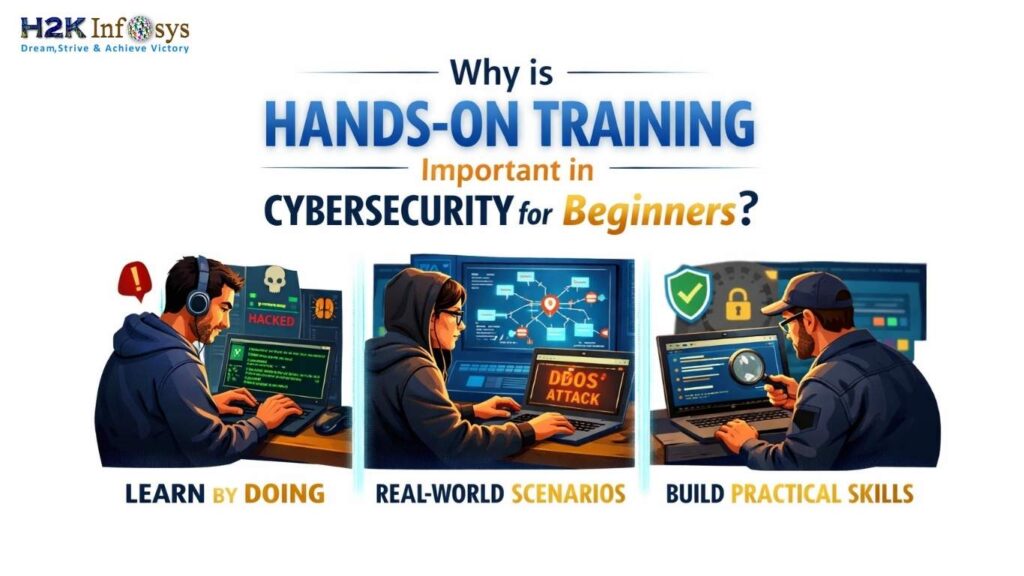
- Hands-on training builds confidence and prepares learners for real scenarios.
- Strong placement-oriented programs improve hiring opportunities.
Conclusion
Strengthen your skills with hands-on learning and expert guidance. With proper knowledge of Cybersecurity Roles, Processes, and Operating System Security, learners gain a stronger advantage in interviews and real-world job environments. Enroll in H2K Infosys Cyber security Training with job placement today and prepare for real-world job opportunities.