H2K Infosys builds confidence for a Data analyst role in a pretty no-nonsense way they make you do the work instead of just reading or watching someone else do it. It leans heavily on real-world practice, mentor feedback, and actually using the same tools a Data analyst would touch on the job.
So instead of just thinking, “Yeah, I understand this,” you slowly start feeling like… I could probably handle this in a real scenario.
Why Confidence Is Usually the Missing Piece
If I’m being real for a second, most people finishing a Google data analytics course or any kind of training aren’t exactly lacking knowledge.
That’s usually not the problem.
It’s confidence. Or more specifically, the absence of it.
You might know SQL. You’ve built dashboards. Maybe even completed a couple of decent projects. But then an interviewer throws something like:
“Here’s a dataset what decisions would you recommend?”
And suddenly, everything feels… a bit uncertain.
I’ve seen this happen a lot. People don’t freeze because they don’t know anything they freeze because they haven’t dealt with messy, unclear, real-world situations the way a data analyst actually does.
That’s where H2K Infosys takes a slightly different route.
1. Real Problems… Not Those “Perfect” Practice Datasets
One thing you notice early this isn’t about polished, textbook-style data.
You get situations that feel closer to reality. Sometimes even slightly frustrating at first (which, honestly, is a good sign).
Stuff like:
- Why aren’t customers returning after their first purchase?
- What’s really causing delivery delays?
- Are certain marketing campaigns quietly wasting money?
These don’t feel like “assignments.” They feel like problems a Data analyst would actually be asked to solve.
And somewhere in the middle of figuring things out, there’s this small shift you catch yourself thinking, “Okay… I think I can handle this.”
That’s where confidence starts. Not loudly. Just… quietly building.
2. Tools Aren’t Just Taught They’re Used Properly
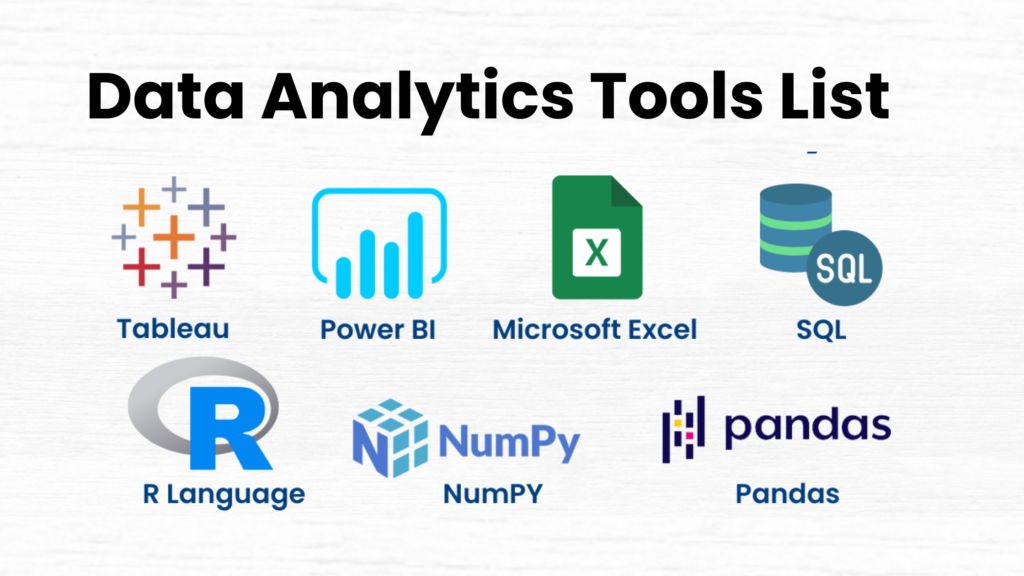
A lot of courses list tools SQL, Python, Tableau but the experience can feel surface-level.
Here, it’s different.
You’re not writing queries just to check a box you’re cleaning messy data that doesn’t cooperate.
You’re not creating dashboards just for visuals; you’re presenting them like someone’s going to rely on them.
You’re not using Python casually; you’re solving actual repetitive problems a data analyst might face.
It sounds like a small difference, but it changes how you think.
You stop “learning tools” and start working with them.
3. Mentorship That Pushes You (In a Good Way)
This part doesn’t get talked about enough feedback.
At H2K Infosys, mentors don’t just explain concepts and move on. They look at your work and question it.
You might feel good about something you built… and then hear:
“Looks solid but what decision does this actually support?”
That question can throw you off a bit. But it also forces you to think like a data analyst, not just someone completing tasks.
Over time, those little nudges reshape your thinking. You start connecting data to decisions more naturally.
4. Projects That Actually Mean Something in Interviews
A common situation:
Someone finishes a course and says, “I built a sales dashboard.”
Which… let’s be honest, a lot of people say.
Here, the projects go a bit deeper.
You end up with:
- Realistic portfolio work
- Case studies tied to outcomes
- End-to-end workflows (raw data → insight → recommendation)
So instead of:
“I created a dashboard…”
You might say:
“I analyzed customer churn and identified patterns linked to delivery delays…”
That sounds more like something a Data analyst would say and interviewers can tell the difference.
5. Training That Reflects What the Industry Actually Wants
The expectations from a Data analyst role have shifted a lot recently.
It’s not just about technical skills anymore.
Companies want people who can:
- Think through messy problems
- Explain insights clearly
- Understand business impact
And the training here seems built around that reality.
You’re not just analyzing data you’re learning how to approach problems like someone already in the role. That gap between learning and doing is where most people struggle.
6. Confidence Builds Gradually (Which Is Actually Better)
One thing that stands out they don’t rush you.
You start simple:
- Cleaning data
- Basic visualizations
Then move into:
- Complex datasets
- Combining multiple tools
- Storytelling with data
And weirdly, you don’t always notice the growth happening. It just kind of… sneaks up on you.
Until one day, something that felt difficult earlier feels manageable. That’s usually when you realize you’re starting to think like a Data analyst.
7. Interview Prep That Feels Practical
Confidence also comes from knowing you won’t panic in interviews.
They help with:
- Resume building
- Mock interviews
- Scenario-based questions
Mock interviews can feel awkward at first (they always do). But after a few rounds, something changes.
You stop overanalyzing every answer. You respond more naturally like a data analyst explaining their thought process, not someone trying to sound perfect.
Real Talk: Why This Approach Works Right Now
There’s no shortage of people entering data analytics.
But recruiters aren’t just asking, “Do you know this?”
They’re asking:
“Can you handle real problems without falling apart?”
That’s the filter now.
And people trained in more realistic environments tend to stand out not because they know more, but because they’ve practiced thinking like a Data analyst under uncertainty.
Final Thought
Confidence doesn’t magically appear after completing a course.
It builds slowly through messy problems, small mistakes, feedback, and repetition.
That’s what H2K Infosys seems to get right.
And if you’ve already done a Data analytics course but still feel unsure stepping into a Data analyst role… it might not be about learning more.
It might just be about practicing differently.
Because in the end, confidence isn’t something handed to you.
It’s something you build, one slightly messy, very real problem at a time.