Yes, cyber security online training can be effective for getting a real job in 2026 when it provides hands-on experience with industry-standard tools, aligns with enterprise security workflows, and develops job-relevant skills such as threat analysis, cloud security, and incident response. Employers typically evaluate candidates based on practical ability to secure systems, analyze security events, and follow compliance and governance standards rather than on training format alone. The effectiveness of online training depends on curriculum depth, real-world project exposure, and how well learners can demonstrate applied security skills in professional environments.
What Is Cyber Security Online Training?

Cyber security online training refers to structured, remote learning programs designed to teach professionals how to protect digital systems, networks, applications, and data from security threats. These programs usually combine theoretical foundations with practical labs, simulations, and real-world scenarios delivered through virtual platforms, preparing learners for cyber security jobs with training that emphasize applied skills and enterprise security workflows.
At a technical level, this training focuses on how organizations:
- Identify vulnerabilities in IT systems
- Detect malicious activity
- Respond to incidents
- Maintain compliance with regulatory and security standards
- Design secure infrastructure for cloud and on-premise environments
Core Domains Typically Covered
| Domain | Description | Real-World Relevance |
| Network Security | Firewalls, intrusion detection, segmentation | Used to protect enterprise networks and remote access systems |
| Application Security | Secure coding, vulnerability scanning | Used in DevSecOps pipelines and software development teams |
| Cloud Security | IAM, workload protection, configuration management | Used in AWS, Azure, and hybrid enterprise environments |
| Governance & Compliance | Risk management, policies, audits | Used in regulated industries such as finance and healthcare |
| Incident Response | Detection, containment, forensics | Used by SOC and security operations teams |
How Does Cyber Security Training Work in Real-World IT Projects?
In enterprise environments, cyber security professionals do not work in isolation. Their work is embedded into broader IT and business workflows.
Example Enterprise Workflow
Scenario: Securing a Cloud-Based Application
- Risk Assessment
Identify sensitive data, user roles, and exposure points. - Security Design
Define network segmentation, access policies, and encryption standards. - Implementation
Configure firewalls, identity access controls, and monitoring tools. - Validation
Run vulnerability scans and penetration testing. - Monitoring & Response
Analyze logs, alerts, and respond to incidents.
Tools Commonly Used
| Tool Type | Examples | Usage in Projects |
| SIEM | Splunk, Microsoft Sentinel | Centralized log monitoring and alerting |
| Vulnerability Scanners | Nessus, OpenVAS | Identifying system weaknesses |
| Cloud Security Platforms | AWS Security Hub, Azure Defender | Managing cloud posture |
| Ticketing Systems | ServiceNow, Jira | Incident tracking and workflow management |
Online training that mirrors these workflows helps learners understand how security integrates into daily IT operations.
Why Is Cyber Security Online Training Important for Working Professionals?
The IT infrastructure used by organizations in 2026 is increasingly distributed across cloud platforms, remote devices, and third-party services. This creates a demand for professionals who can manage security in complex, dynamic environments.
Key Industry Drivers
- Growth of cloud-based enterprise systems
- Increased regulatory oversight on data protection
- Rising use of automation in security operations
- Integration of security into DevOps workflows
For working professionals, online training offers:
- Flexible learning schedules
- Exposure to modern tools and platforms
- Structured progression from foundational to advanced topics
- Opportunities to practice in simulated enterprise environments
What Skills Are Required to Learn Cyber Security Training Online?
Cyber security online training typically builds both technical and analytical skills.
Technical Skills
- Networking fundamentals (TCP/IP, DNS, VPNs)
- Operating systems (Linux and Windows administration)
- Cloud platforms (AWS, Azure, IAM, storage security)
- Security tools (SIEM, EDR, vulnerability scanners)
- Scripting basics (Python, Bash)
Analytical and Process Skills
- Threat modeling
- Log analysis
- Incident documentation
- Risk assessment
- Policy interpretation
Role-Based Skill Mapping
| Job Role | Core Skills Required |
| SOC Analyst | Log analysis, alert triage, SIEM usage |
| Security Engineer | Firewall configuration, system hardening |
| Cloud Security Analyst | IAM policies, workload security |
| GRC Analyst | Compliance frameworks, documentation |
How Is Cyber Security Used in Enterprise Environments?
Enterprise security is structured around layers of protection rather than single tools.
Defense-in-Depth Model
- Perimeter Security
Firewalls, VPNs, web gateways - Endpoint Protection
Antivirus, EDR, device policies - Network Monitoring
IDS/IPS systems - Identity Management
Role-based access, MFA - Data Protection
Encryption, DLP systems
Professionals trained online must understand how these layers interact across departments and business units.
What Job Roles Use Cyber Security Skills Daily?
Common Roles
| Role | Daily Responsibilities |
| SOC Analyst | Monitor alerts, investigate incidents |
| Security Administrator | Manage policies, user access |
| Cloud Security Engineer | Secure cloud environments |
| Compliance Analyst | Audit systems, document controls |
| Incident Responder | Contain and remediate breaches |
Many organizations now hire through models that combine cyber security jobs with training, where entry-level professionals start in support or monitoring roles and grow into specialized positions.
What Careers Are Possible After Learning Cyber Security Training Online?
Cyber security offers multiple career paths depending on specialization.
Career Path Overview
| Level | Role Examples | Typical Focus |
| Entry | SOC Analyst, IT Security Support | Monitoring, documentation |
| Mid | Security Engineer, Cloud Analyst | System design, automation |
| Advanced | Security Architect, GRC Lead | Strategy, governance |
Some training programs align with cyber security training with job placement, where learners receive structured pathways into enterprise IT roles through internships, labs, and applied projects.
How Employers Evaluate Online Cyber Security Training
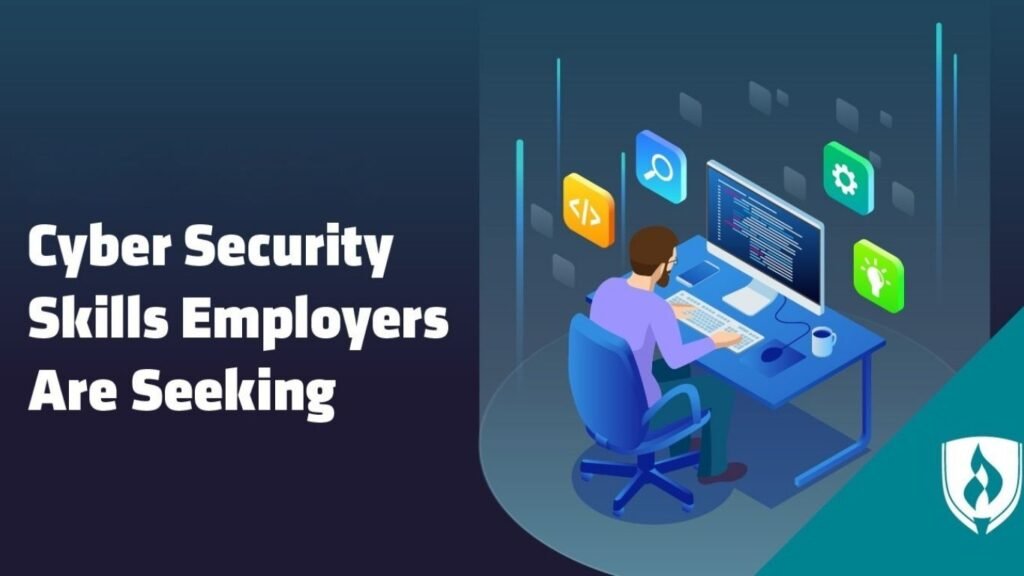
Employers generally focus on:
- Demonstrated ability to use security tools
- Understanding of enterprise workflows
- Familiarity with compliance frameworks
- Problem-solving in real incident scenarios
What Recruiters Look For
- Project-based experience
- Clear documentation of security processes
- Knowledge of industry standards such as:
- NIST
- ISO 27001
- CIS Controls
- NIST
Industry Standards and Frameworks Used in Training
| Framework | Purpose |
| NIST CSF | Risk management and security lifecycle |
| MITRE ATT&CK | Threat modeling |
| ISO 27001 | Compliance and governance |
| CIS Controls | Security best practices |
Practical Learning Workflow in Online Training
Example Learning Path
- Foundation
Networking, OS security, basic scripting - Intermediate
Vulnerability scanning, SIEM tools - Advanced
Cloud security, threat modeling, compliance
Sample Configuration Task (Conceptual)
Define IAM policy
Restrict access by role
Enable logging
Review alerts in SIEM
Document incident response steps
This reflects the type of hands-on work professionals perform in enterprise settings.
Understanding Cyber Security Sales Training
In some organizations, cyber security professionals collaborate with technical sales or solution consulting teams. Cyber security sales training focuses on:
- Translating technical features into business value
- Explaining compliance and risk reduction
- Demonstrating security platforms to clients
This path suits professionals who combine technical expertise with communication and business analysis skills.
FAQ Section
Is cyber security online training recognized by employers in 2026?
Yes, when it includes hands-on projects, tool exposure, and alignment with industry standards.
Can beginners transition into cyber security roles through online training?
Yes, many start in entry-level monitoring or IT support roles before specializing.
Are certifications necessary for employment?
Certifications can support resumes, but practical skills and project experience are often more influential.
How long does it take to become job-ready?
Typically several months of structured learning combined with lab practice and real-world scenarios.
Do companies offer cyber security jobs with training?
Some organizations provide internal training programs or apprenticeships for entry-level roles.
Key Takeaways
- Online cyber security training can lead to real jobs when it emphasizes practical, enterprise-level skills.
- Employers prioritize tool proficiency, security workflows, and standards knowledge over training format.
- Career paths include SOC, cloud security, governance, and technical consulting roles.
- Hands-on projects and exposure to real-world systems improve employability.
- Training aligned with industry frameworks enhances long-term career development.
Explore hands-on cyber security training programs at H2K Infosys to build practical, job-relevant skills.
Learn how structured labs and real-world workflows can support your professional growth in enterprise IT security.