Data analytics is valuable across industries because it enables organisations to transform raw data into structured insights that support informed decision-making, operational efficiency, risk management, and performance improvement. By systematically analysing historical and real-time data, businesses can identify patterns, measure outcomes, and optimise processes using evidence rather than assumptions. As data volumes grow across sectors, analytics has become a foundational capability rather than a specialised function.
What Is Data Analytics?
Data analytics is the practice of collecting, processing, analyzing, and interpreting data to answer questions, support decisions, and improve outcomes. It involves a combination of technical tools, analytical methods, and domain understanding.
At a high level, data analytics focuses on:
- Converting raw data into structured formats
- Applying analytical techniques to identify trends and anomalies
- Communicating insights through reports, dashboards, and visualizations
- Supporting business, technical, and operational decisions
The reason Data Analytics Valuable status spans industries is that nearly every organization generates data through systems such as applications, transactions, sensors, and user interactions.
Types of Data Analytics Commonly Used
- Descriptive analytics: What happened?
- Diagnostic analytics: Why did it happen?
- Predictive analytics: What is likely to happen?
- Prescriptive analytics: What actions should be taken?
Most enterprise teams rely heavily on descriptive and diagnostic analytics, where Data Analytics Valuable practices are applied through tools such as SQL, Power BI, Tableau, and enterprise BI platforms to support consistent, evidence-based decision-making.
Why Is Data Analytics Valuable Across Industries?
Data analytics is valuable across industries because it provides a consistent framework for understanding performance, reducing uncertainty, and aligning decisions with measurable outcomes.
Core Reasons Data Analytics Is Valuable
- Enables data-driven decision-making
- Improves efficiency and cost control
- Enhances visibility into operations
- Supports compliance and risk management
- Helps organizations scale processes reliably
The Data Analytics Valuable nature comes from its adaptability. The same analytical principles apply whether the data comes from healthcare records, financial transactions, supply chains, or digital platforms.
How Does Data Analytics Work in Real-World IT Projects?
In real-world IT and business projects, data analytics follows structured workflows rather than isolated tasks.
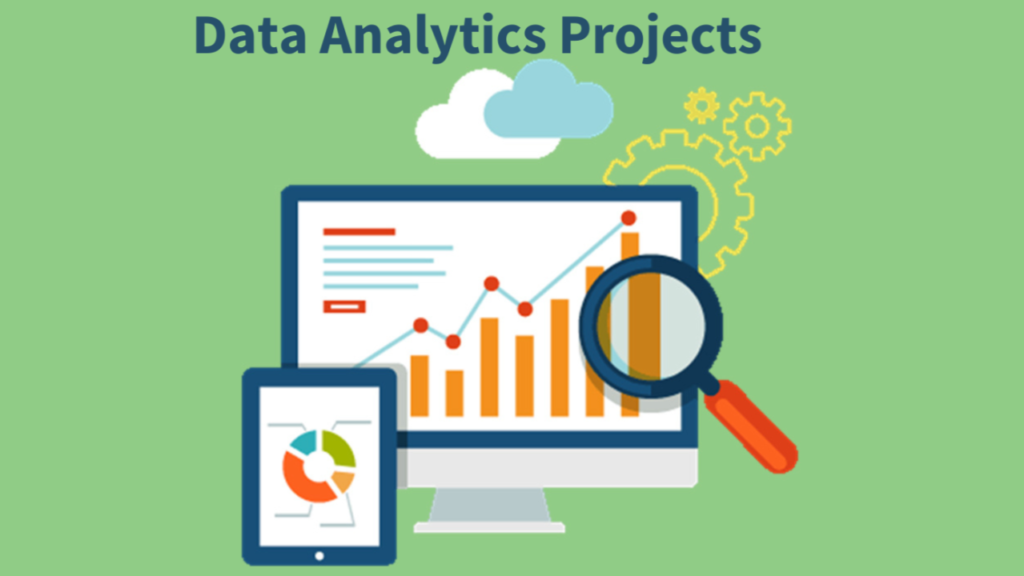
Typical Enterprise Data Analytics Workflow
- Data Collection
- Databases (SQL-based systems)
- Applications (CRM, ERP, HR systems)
- Logs, APIs, and external data sources
- Data Preparation
- Data cleaning and validation
- Handling missing or inconsistent values
- Standardizing formats
- Data Storage
- Relational databases
- Data warehouses
- BI-ready datasets
- Analysis
- SQL queries for aggregation and filtering
- Statistical summaries
- Trend analysis
- Visualization and Reporting
- Dashboards in Power BI or Tableau
- Scheduled reports
- Interactive data exploration
- Decision Support
- Business reviews
- Operational planning
- Performance optimization
This structured process explains why Data Analytics Valuable outcomes depend not only on tools but also on consistent workflows and governance.
How Are Power BI, Tableau, SQL, and BI Used Together?
Data analytics tools are rarely used in isolation. Enterprise teams combine multiple tools, each serving a specific role.
Role of SQL in Data Analytics
SQL is the foundation for:
- Querying relational databases
- Filtering and aggregating large datasets
- Creating views for reporting
- Validating data accuracy
SQL is often the first technical skill taught in Data analyst online classes because it directly connects analytics to real production data.
Role of Power BI and Tableau
Power BI and Tableau are used for:
- Creating dashboards and visual reports
- Enabling self-service analytics
- Sharing insights across teams
- Monitoring KPIs in near real time
Role of BI Platforms
Business Intelligence (BI) platforms provide:
- Centralized data models
- Security and access control
- Scheduled refreshes
- Enterprise-scale reporting
Together, these tools reinforce why Data Analytics Valuable practices are scalable and repeatable across departments.
Why Is Data Analytics Important for Working Professionals?
For working professionals, data analytics is valuable because it enhances role effectiveness without requiring a complete career change.
Professional Benefits
- Improves decision quality
- Reduces reliance on intuition
- Strengthens cross-functional communication
- Supports performance measurement
Professionals in operations, finance, QA, marketing, and management increasingly rely on dashboards and reports generated by analytics teams or create them independently after completing Data analyst online classes.
How Is Data Analytics Used in Different Industries?
Data Analytics in Healthcare
- Monitoring patient outcomes
- Managing hospital resources
- Identifying treatment patterns
- Supporting compliance reporting
Healthcare analytics focuses heavily on data accuracy, privacy, and regulatory standards, reinforcing disciplined analytical workflows.
Data Analytics in Finance
- Risk analysis
- Fraud detection
- Financial forecasting
- Regulatory reporting
In finance, Data Analytics Valuable practices emphasize auditability and traceability.
Data Analytics in Retail and E-Commerce
- Sales trend analysis
- Inventory optimization
- Customer behavior analysis
- Pricing strategy evaluation
Data Analytics in Manufacturing
- Quality control analysis
- Predictive maintenance
- Supply chain optimization
- Process efficiency tracking
Data Analytics in IT and Software Services
- Application performance monitoring
- User behavior analysis
- Incident trend analysis
- Capacity planning
Across all these sectors, the underlying analytical methods remain consistent, reinforcing why Data Analytics valuable across industries as a standardised approach to analyzing, interpreting, and applying data for decision-making.
What Skills Are Required to Learn Data Analytics?

To understand why Data Analytics Valuable skills are accessible, it is important to examine the required competencies.
Core Technical Skills
- SQL for data querying
- Data modeling concepts
- Spreadsheet fundamentals
- BI tools (Power BI, Tableau)
Analytical Skills
- Logical reasoning
- Pattern recognition
- Root cause analysis
- KPI interpretation
Business and Communication Skills
- Translating data into insights
- Creating clear visualizations
- Explaining findings to non-technical stakeholders
Most structured Data Analytics certification programs focus on building these skills incrementally.
How Is Data Analytics Used in Enterprise Environments?
Enterprise environments impose practical constraints that shape analytics usage.
Common Enterprise Constraints
- Data security and access control
- Performance optimization
- Data quality governance
- Regulatory compliance
Best Practices Followed
- Role-based access in BI tools
- Version-controlled SQL queries
- Standardized KPI definitions
- Documentation of data sources
These practices ensure Data Analytics Valuable outputs remain consistent and trustworthy.
What Job Roles Use Data Analytics Daily?
Data analytics is not limited to a single role.
Common Roles Using Analytics
- Data Analyst
- Business Analyst
- Operations Analyst
- Product Analyst
- Reporting Analyst
- QA and Performance Analyst
Many of these roles are targeted by Data analyst online classes because they blend technical and business skills.
What Careers Are Possible After Learning Data Analytics?
Learning analytics opens multiple career paths depending on experience and specialization.
Career Path Examples
| Entry-Level | Mid-Level | Advanced |
|---|---|---|
| Junior Data Analyst | Data Analyst | Analytics Manager |
| Reporting Analyst | Business Analyst | BI Architect |
| Operations Analyst | Product Analyst | Data Strategy Lead |
The Data Analytics Valuable career aspect lies in flexibility rather than a single job title.
How Long Does It Take to Learn Data Analytics?
Learning timelines vary based on background.
Typical Learning Phases
- 0–4 weeks: SQL fundamentals and basic analytics
- 1–3 months: BI tools and dashboards
- 3–6 months: Real-world projects and data modeling
Formal Data Analytics certification programs often structure learning to align with enterprise expectations.
What Are Common Challenges in Data Analytics Projects?
Understanding challenges reinforces why disciplined analytics is valuable.
Common Issues
- Poor data quality
- Unclear business requirements
- Inconsistent metrics
- Performance bottlenecks
Addressing these challenges requires both technical skills and domain understanding.
How Do Professionals Apply Data Analytics in Real Projects?

Example Workflow: Sales Performance Analysis
- Extract sales data using SQL
- Clean and standardize fields
- Aggregate metrics by region and time
- Visualize trends in Power BI
- Share dashboards with stakeholders
- Use insights for planning and forecasting
This practical workflow demonstrates why Data Analytics Valuable learning focuses on hands-on application.
Frequently Asked Questions (FAQ)
Is data analytics valuable outside IT roles?
Yes. Data analytics is valuable in finance, operations, healthcare, marketing, and management roles.
Do I need programming to learn data analytics?
Basic SQL is usually sufficient for entry-level analytics roles.
Are Power BI and Tableau interchangeable?
They serve similar purposes, but organizations often standardize on one platform.
How does data analytics differ from data science?
Data analytics focuses on analysis and reporting, while data science emphasizes advanced modeling and algorithms.
Is certification necessary?
A Data Analytics certification helps structure learning and demonstrate skills but must be supported by practical experience.
Key Takeaways
- Data Analytics Valuable skills enable evidence-based decisions across industries.
- SQL, Power BI, Tableau, and BI tools form the core analytics toolkit.
- Analytics workflows are consistent across sectors, with industry-specific constraints.
- Working professionals benefit from analytics without changing domains.
- Career paths are flexible and role-driven rather than tool-specific.
For professionals seeking structured, hands-on learning, H2K Infosys offers practical Data Analytics certification programs aligned with real enterprise workflows.
Explore their Data analyst online classes to build job-relevant analytics skills with guided projects and industry-focused training.