Yes, if the course is structured well and includes hands-on labs, H2K Infosys, real attack simulations, and guided tools training, you should absolutely be able to perform basic to intermediate vulnerability assessments by the time you finish. The key is not just theory, but repeated practice in real-world scenarios.
Let me explain this in a way most learners don’t hear upfront.
What “Performing Vulnerability Assessments” Actually Means in Real Work
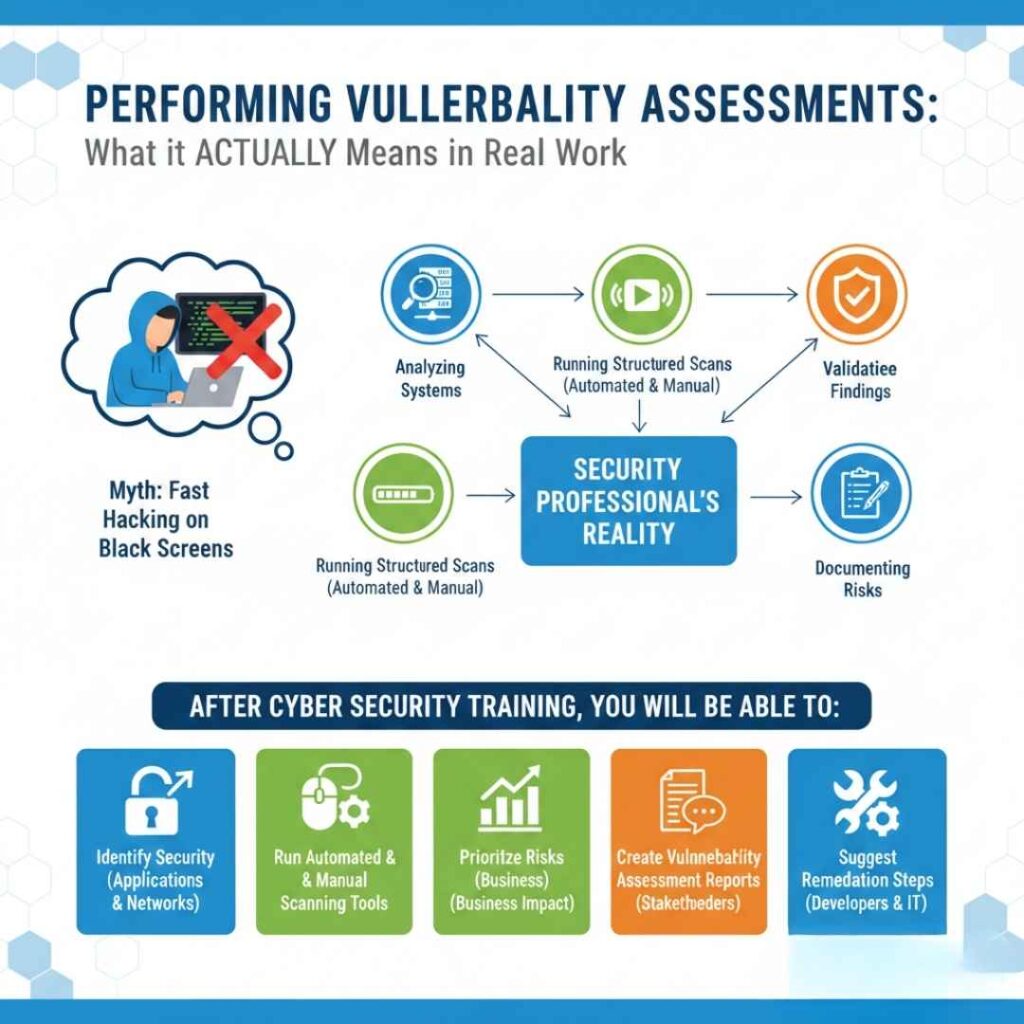
When people imagine vulnerability assessment, they often picture hackers typing fast on black screens. Reality is very different. Most security professionals spend time analyzing systems, running structured scans, validating findings, and documenting risks.
After completing strong cyber security training with job placement, you should be able to:
- Identify security weaknesses in applications and networks
- Run automated and manual scanning tools
- Prioritize risks based on business impact
- Create vulnerability Assessments reports stakeholders can understand
- Suggest remediation steps developers or IT teams can apply
It’s less Hollywood. More detective work.
What You Should Expect to Learn (If the Course Is Industry-Ready)
A modern training program in 2026 typically focuses on practical job skills, not just certification prep. If the course is aligned with real hiring requirements, you’ll usually learn:
1. Vulnerability Scanning Foundations
You’ll learn how systems are tested using industry tools like:
- Network scanners
- Web application scanners
- Cloud security scanners
- Container security scanners
But more importantly, you’ll learn why vulnerabilities exist: misconfigurations, outdated libraries, insecure APIs, weak authentication flows, and so on.
2. Real-World Tool Usage (Not Just Tool Names)
In good cybersecurity training and placement, instructors don’t just show dashboards. You usually:
- Run scans yourself
- Analyze raw scan output
- Remove false positives
- Re-test vulnerabilities after fixing
I’ve seen learners struggle when they only watch demos. The moment they open a real enterprise scan report it’s overwhelming. Good training avoids that shock.
3. Manual Validation Skills
This is where you start thinking like a security analyst.
Example scenario:
A scanner says there’s SQL Injection risk.
But is it real? Or just a pattern match?
You learn how to:
- Test payloads safely
- Confirm exploitability
- Understand impact severity
This step is honestly what separates beginners from job-ready candidates.
Real Example From Today’s Security Landscape (2025–2026 Trend)
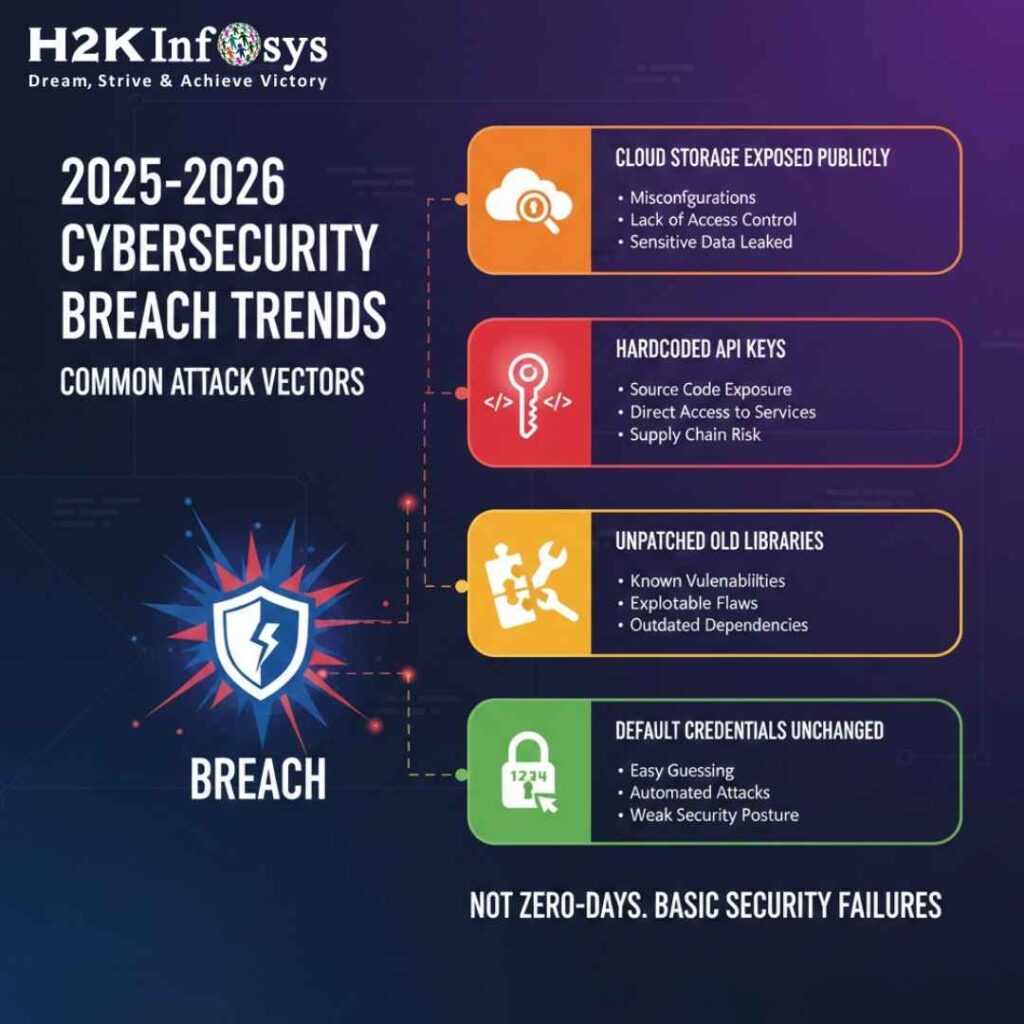
If you’ve followed recent breach news, many major attacks didn’t happen because of zero-day exploits. They happened because:
- Cloud storage was exposed publicly
- API keys were hardcoded
- Old libraries were never patched
- Deault credentials were left unchanged
Companies today want people who can find these before attackers do.
That’s why modern cyber security training and placement programs focus heavily on:
- Cloud vulnerability assessments
- API security testing
- SaaS platform risk scanning
- Identity and access misconfiguration detection
What You Might Actually Do In Your First Job
Let’s say you join a company as a Junior Security Analyst. Your week might look like this:
Monday
Run scheduled vulnerability assessments scans on company servers
Tuesday
Review scan results and remove false positives
Wednesday
Validate critical vulnerabilities manually
Thursday
Prepare risk report for IT leadership
Friday
Retest systems after patches are applied
Not glamorous. But very important work.
The Confidence Curve (Something Most Blogs Don’t Talk About)
Honestly, most learners feel unsure at first. That’s normal.
Week 1 after course completion:
You’ll rely heavily on documentation and past lab notes.
Month 2:
You’ll start recognizing vulnerability assessments patterns quickly.
Month 6:
You’ll trust your judgment more than automated scan severity ratings.
Security is one of those fields where confidence comes from repetition, not memorization.
How Hands-On Practice Changes Everything
Courses that include real lab environments dramatically improve readiness. For example:
You don’t just learn “what is OWASP Top 10.”
You actually:
- Exploit a vulnerable web app safely
- Fix the vulnerability
- Re-scan to verify remediation
That full lifecycle experience is what employers care about.
Common Mistake New Learners Make
They assume vulnerability assessments = tool scanning.
Reality:
Tools show possible problems.
Humans decide which ones matter.
Strong cyber security training and placement prepares you for decision-making, not just button clicking.
Skills That Make You Stand Out After Training
If you can do these, you’re already ahead of many entry-level applicants:
- Read raw vulnerability scan logs
- Understand CVSS scoring practically
- Explain risks in simple business language
- Prioritize fixes based on real impact
- Work with developers collaboratively (not blame them)
Security today is very team-oriented.
The 2026 Reality: AI Is Changing Vulnerability Assessment (But Not Replacing Humans)
AI now helps with:
- Automated vulnerability triaging
- Pattern detection across environments
- Predictive risk modeling
But human analysts are still needed to:
- Validate findings
- Understand business context
- Design mitigation strategies
If anything, AI is making vulnerability assessments faster not obsolete.
Honest Truth: What Training Alone Cannot Do
Even the best course cannot replace:
- Real production system exposure
- Security incident response experience
- Cross-team communication practice
Training gives you the foundation + confidence.
Real work builds mastery.
How To Know If You’re Ready After Completing The Course
Ask yourself:
Can I run and interpret a vulnerability scan independently?
Can I explain why a vulnerability matters to non-technical teams?
Can I suggest at least one realistic fix option?
If yes you’re ready to start performing vulnerability assessments professionally.
Final Thought
Most people enter cyber security thinking they need to be elite hackers.
Truth is organizations need reliable security analysts who can consistently find risks early.
If your training includes labs, case studies, real reporting practice, and mentoring you’ll be surprised how quickly you can transition from learner to practitioner.
And honestly? The first time you catch a real vulnerability assessments before release…
That’s when it really clicks you’re not just learning security anymore.
You’re actively protecting systems.