


Introduction: QA Careers Need Proof, Not Just Experience
Software products now shape banking, healthcare, retail, and education. A small defect can cause financial loss or customer frustration. Because of this risk, companies depend heavily on skilled QA professionals. Employers no longer rely only on resumes or verbal claims. They look for verified skills.
This is where Software Testing Certification plays a key role. Certification shows structured learning, real testing knowledge, and readiness for live projects. Many QA professionals struggle to grow because they lack formal validation. Certification fills this gap and helps testers move forward with confidence.
For beginners and experienced testers alike, Software Testing Certification acts as a career accelerator. It validates skills, improves credibility, and increases job opportunities in a competitive market.
What Is Software Testing Certification and Why It Matters
Software Testing Certification is a formal recognition of a tester’s skills based on industry standards. It confirms knowledge in testing methods, tools, and processes used in real software projects.
Unlike informal learning, certification follows a defined curriculum. It covers manual testing concepts, automation basics, Agile workflows, and defect tracking. A certified tester understands how quality assurance fits into the full software development life cycle.
Companies trust certified professionals because Software Testing Certification proves that a tester has completed structured QA testing training and passed evaluations based on practical scenarios.
The Growing Demand for Certified QA Professionals
The global software testing market continues to grow each year. As automation and Agile delivery increase, companies need trained testers who can work fast and accurately. Many job postings now list certification as a preferred requirement.
Recruiters use Software Testing Certification as a screening tool. It saves time and ensures candidates meet baseline expectations. In competitive job markets, certified professionals often receive interview calls faster than non-certified candidates.
This demand shows that certification is no longer optional. Software Testing Certification has become a career necessity.
Industry Data: How Certification Impacts Salary and Hiring
Industry surveys show that certified QA professionals earn higher salaries than non-certified peers. Entry-level testers with certification often earn 20% more. Mid-level testers with advanced certification move into leadership roles faster.
A study by a global IT services firm found that teams with certified testers reduced defect leakage by over 30%. These results led companies to prioritize Software Testing Certification when hiring QA professionals.
Such data confirms that certification delivers measurable business value.
Types of Software Testing Certifications Available
QA professionals can choose certification paths based on experience and goals. Software Testing Certification programs usually fall into the following categories:
- Manual testing certification
- Automation testing certification
- Agile and Scrum testing certification
- API and performance testing certification
Each type builds specific skills that match real job roles. Entry-level testers often start with manual testing and later move to automation.
Manual Testing Skills You Gain Through Certification
Manual testing remains the foundation of QA work. Software Testing Certification ensures testers master key manual testing concepts such as:
- Requirement analysis
- Test scenario creation
- Test case writing
- Defect reporting
- Regression testing
Certified testers understand how to test from an end-user perspective. This skill improves product usability and customer satisfaction.
Automation Skills Covered in Certification Programs
Automation testing improves speed and accuracy. Most Software Testing Certification programs introduce automation tools such as Selenium.
Key automation skills include:
- Writing basic automation scripts
- Identifying test cases suitable for automation
- Understanding test frameworks
- Integrating automation with CI pipelines
Even basic automation knowledge increases job value and career growth.
Real-World Example: Test Case Design in Live Projects
During certification training, testers learn structured test case design. This skill directly applies to live projects.
Example test case:
Test Case ID: TC_Payment_05
Scenario: Verify payment failure with expired card
Steps:
1. Select product
2. Add to cart
3. Enter expired card details
Expected Result: System displays error message
This structure reduces confusion and improves defect tracking. Software Testing Certification teaches consistency and clarity in documentation.
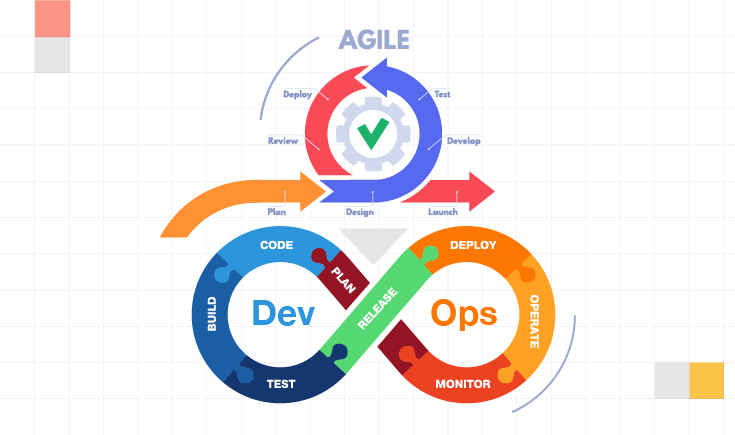
How Certification Supports Agile and DevOps Teams
Modern teams follow Agile and DevOps practices. Software Testing Certification prepares testers to work in sprint-based environments.
Certified testers understand:
- Sprint planning
- Daily stand-ups
- Continuous testing
- Faster feedback cycles
This knowledge helps QA professionals collaborate effectively with developers and product owners.
Career Paths After Certification
Many professionals ask how certification helps long-term careers. Software Testing Certification opens multiple career paths:
- Manual QA Tester
- Automation Test Engineer
- QA Lead
- Test Manager
- Quality Analyst
Certification supports career progression by strengthening fundamentals and advanced skills.
Certification for Freshers vs Working Professionals
Fresh graduates often lack project exposure. Software Testing Certification provides structured learning and hands-on practice.
Working professionals use certification to upgrade skills and switch domains. Certification helps them stay relevant in a fast-changing industry.
Both groups benefit equally from Software Testing Certification when training focuses on real tools and projects.

Common Myths About Software Testing Certification
Some professionals believe certification alone guarantees a job. This belief is incorrect. Software Testing Certification works best when combined with hands-on practice.
Another myth is that certification is only for beginners. In reality, advanced testers also benefit from specialized certification.
Understanding the true value helps professionals make informed decisions.
How to Choose the Right QA Training Program
A strong training program must focus on practice, not theory. Look for programs that include:
- Instructor-led QA testing training
- Real-time project work
- Resume and interview support
- Industry-relevant tools
A good Software Testing Certification program bridges the gap between learning and employment.
Why H2KInfosys Stands Out in QA Training
H2KInfosys offers industry-aligned QA tester training designed for job readiness. Their programs focus on practical skills through real projects.
Their Software Testing Certification approach emphasizes hands-on learning, tool usage, and real-world testing scenarios. QA online training options allow learners to study at their own pace while gaining live project exposure.
H2KInfosys also supports learners with interview preparation and career guidance.
Key Skills Employers Expect from Certified Testers
Certified testers bring structure and clarity to QA processes. Employers expect them to:
- Identify risks early
- Communicate defects clearly
- Follow testing standards
- Adapt to Agile workflows
Software Testing Certification builds these skills in a systematic way.
Long-Term Value of Certification
Certification provides long-term career stability. Technologies change, but testing fundamentals remain constant. Software Testing Certification ensures professionals understand these fundamentals.
Certified professionals also adapt faster to new tools and processes. This adaptability increases career longevity.
Key Takeaways
- Software Testing Certification validates QA skills
- Certification improves hiring chances and salary growth
- Structured learning builds confidence and clarity
- Hands-on training delivers real-world readiness
- H2KInfosys offers practical QA testing courses
Conclusion:
Enroll in H2KInfosys QA testing courses to gain practical skills and industry exposure.
Build a strong career foundation with expert-led training and job-ready certification today.

























One Response