Introduction: The Growing Importance of Security in Software Development
In today’s fast-paced digital world, security has become a top priority in the software development lifecycle. With cyber threats growing more sophisticated, it is essential to adopt robust strategies to secure applications from the start. One such approach that has gained significant traction in recent years is DevSecOps the integration of security practices into the DevOps pipeline.
The role of DevSecOps emphasizes the proactive incorporation of security at every stage of development, rather than treating it as an afterthought. As applications become more complex and the frequency of releases increases, integrating security into the DevOps lifecycle is no longer optional but a critical necessity. This blog post will explore the role of DevSecOps in building secure applications, the skills required to succeed in this field, and how DevSecOps training can provide valuable career opportunities.
What is DevSecOps?
DevSecOps, short for Development, Security, and Operations, is a set of practices that integrates security measures into the DevOps process. Traditionally, DevOps focused on automating and improving collaboration between development and operations teams, aiming to accelerate software delivery. However, security was often seen as a separate function, handled by a different team or after development was completed.
The role of DevSecOps is to bring security into the fold, ensuring that security is a shared responsibility throughout the entire software development lifecycle. This involves automating security tests, integrating security tools into the CI/CD pipeline, and fostering a culture of security awareness across all team members.
The Role of DevSecOps in Secure Applications
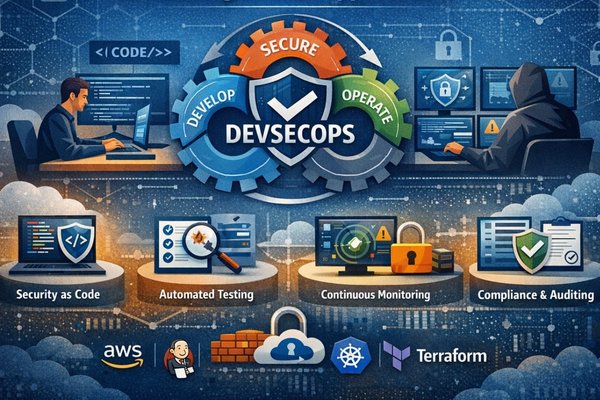
Incorporating security practices into the DevOps workflow addresses vulnerabilities early on, reducing the risk of exploits and ensuring the final product is secure. Let’s break down how the role of DevSecOps contributes to building secure applications:
1. Security as Code
One of the fundamental aspects of DevSecOps is treating security as code. This means that security measures are integrated into the development process through code, much like any other part of the software. By embedding security policies and configurations directly into the infrastructure code, DevSecOps ensures that security is consistently applied across the entire application.
For instance, with tools like Terraform and Ansible, developers can automate the application of security patches and enforce access control policies directly from the code. This approach not only improves security but also helps streamline compliance efforts.
2. Continuous Monitoring and Automated Security Testing
With DevSecOps, security is no longer a one-time event but a continuous process. By automating security testing within the CI/CD pipeline, teams can detect vulnerabilities early, long before production code is deployed. This includes practices such as:
- Static Application Security Testing (SAST): Scans the source code for vulnerabilities.
- Dynamic Application Security Testing (DAST): Tests running applications for security weaknesses.
- Software Composition Analysis (SCA): Identifies vulnerabilities in third-party libraries.
Integrating these automated tests into the DevOps pipeline ensures that security checks are continuously performed, which significantly reduces the chances of undetected vulnerabilities slipping into production.
3. Early Detection and Risk Mitigation
The role of DevSecOps is to catch security issues at the earliest stages of development. By shifting security left meaning, incorporating security from the planning and coding phases DevSecOps provides developers with the tools to identify potential threats early. This proactive approach allows teams to mitigate risks before they evolve into serious vulnerabilities, which would be more expensive and time-consuming to fix later in the process.
4. Collaboration Between Development, Security, and Operations Teams
DevSecOps fosters a culture of collaboration. By integrating security into the DevOps workflow, developers, security specialists, and operations teams work together from the start to create secure applications. This reduces silos and enhances communication, making security an integral part of the development process.
5. Compliance and Auditing
Compliance requirements such as GDPR, HIPAA, and PCI-DSS demand that businesses follow strict security protocols. DevSecOps helps automate compliance checks, ensuring that security controls are not only applied but also continuously monitored for effectiveness. With integrated logging, auditing, and reporting features, DevSecOps makes it easier to meet these regulatory requirements while maintaining secure software.
The Role of DevSecOps in Application Development: Real-World Examples
Example 1: Securing a Cloud-Based Application
Imagine a scenario where a company is developing a cloud-based application that handles sensitive customer data. By incorporating the Role of DevSecOps, the company can automate security testing for common vulnerabilities such as SQL injection, cross-site scripting (XSS), and broken authentication. The DevSecOps pipeline would automatically run these security checks every time new code is pushed, ensuring vulnerabilities are addressed early.
Furthermore, as the application is deployed to the cloud, infrastructure-as-code tools would ensure that the cloud resources are configured with the necessary security controls, such as encryption and access management policies, thus preventing security issues from arising post-deployment.
Example 2: Improving Incident Response Time
Another real-world scenario is an organization that faces frequent security incidents, like data breaches or unauthorized access attempts. By implementing DevSecOps, the organization can use security monitoring tools integrated into the pipeline to receive alerts in real time about suspicious activities. Automated incident response protocols can then be triggered, such as blocking malicious IP addresses or notifying security teams, minimizing the impact of the breach.
Skills and Certifications for a Successful Career in DevSecOps
The role of DevSecOps in ensuring secure applications is critical, and mastering this field requires a combination of skills and certifications. Here’s a breakdown of the core competencies required for a successful career in DevSecOps:
Key Skills for DevSecOps Engineers
- Cloud Security: Knowledge of securing cloud environments such as AWS, Azure, and Google Cloud is vital, as most modern applications are deployed in the cloud.
- Automation Tools: Familiarity with automation tools like Jenkins, GitLab CI, and CircleCI is crucial for integrating security testing and monitoring into the CI/CD pipeline.
- Infrastructure as Code (IaC): Proficiency in IaC tools like Terraform, CloudFormation, and Ansible is required to automate the configuration of secure infrastructure.
- Security Testing Tools: Knowledge of SAST, DAST, and SCA tools will help in identifying and mitigating vulnerabilities early in the development cycle.
- Incident Response: DevSecOps professionals must be able to respond quickly to security incidents, using tools like SIEM (Security Information and Event Management) systems.
Recommended DevSecOps Certifications
- AWS DevSecOps Certification: This certification helps professionals demonstrate their expertise in securing AWS applications. It’s ideal for those working with cloud-based applications for role of DevSecOps.
- Certified DevSecOps Professional (CDP): This certification covers a broad range of security topics and is designed for those looking to implement secure development practices across the pipeline.
- Certified Kubernetes Security Specialist (CKS): Given the rise of containerized applications, this certification focuses on securing container-based environments.
The Future of DevSecOps
As organizations continue to face mounting cyber threats, the role of DevSecOps will become even more critical. The integration of security into DevOps pipelines will only grow as businesses strive for more agile, secure, and compliant software development processes.
With advancements in AI and machine learning, the future of DevSecOps will likely involve more predictive capabilities, where security systems can identify potential vulnerabilities and threats even before they occur. Automation and continuous security monitoring will also play a larger role in reducing human error and improving overall security efficiency.
Conclusion: Embrace the Role of DevSecOps in Building Secure Applications
In conclusion, the role of DevSecOps in building secure applications is indispensable. By integrating security at every stage of the development lifecycle, organizations can not only build more secure applications but also stay ahead of evolving cyber threats. For those looking to enter this exciting field, DevSecOps training offers a wealth of opportunities to develop the skills needed to succeed.
If you’re interested in pursuing a career in DevSecOps and gaining hands-on experience, H2K Infosys offers comprehensive DevSecOps courses with job placement assistance. Take the next step in your career by enrolling today!