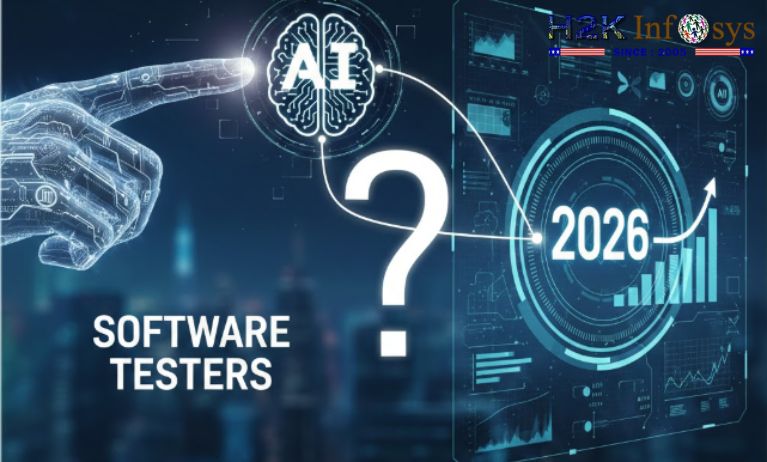
Software testers do not need to become AI engineers in 2026, but they do need foundational AI skills to stay competitive in modern QA environments. AI is now integrated into test automation, defect prediction, test data generation, and intelligent test maintenance. Testers who understand how AI-driven tools work, how to validate AI systems, and how to collaborate with AI-assisted development workflows are significantly more employable in the 2026 software testing job market.
Why AI Skills Are Becoming Important for Software Testers
In 2026, software development is heavily influenced by automation, cloud platforms, and AI-assisted coding tools. Testing is evolving from manual execution toward intelligent quality engineering.
Key industry shifts include:
- AI-assisted test case generation
- Self-healing automation frameworks
- Predictive defect analytics
- AI-based performance monitoring
- Intelligent log analysis
- Test optimization using ML models
Organizations now expect testers to work alongside AI tools rather than compete against them.
What Type of AI Skills Do Software Testers Actually Need?
Software testers in 2026 typically need applied AI literacy, not deep knowledge of algorithm development.
Core AI Knowledge Areas for Testers
| Skill Area | Why It Matters |
| AI Fundamentals | Helps understand how AI models behave and fail |
| Data Understanding | AI testing is data-dependent |
| Prompt Engineering Basics | Required for AI test automation tools |
| AI Tool Usage | Needed for modern QA workflows |
| Model Validation Concepts | Critical for testing AI-driven applications |
Most testers only need working-level familiarity, not research-level expertise.
Do Manual Testers Need AI Skills in 2026?
Yes, but at a basic level.
Manual testers are increasingly expected to:
- Use AI test case suggestion tools
- Analyze AI-generated test coverage reports
- Validate AI-driven application features
- Understand bias and data quality issues
Manual testing is not disappearing. Instead, it is becoming AI-assisted manual testing.
Do Automation Testers Need AI Skills More Than Others?
Yes. Automation testers benefit the most from AI knowledge.
AI Use Cases in Test Automation
- Smart locator identification
- Flaky test detection
- Self-healing scripts
- Test suite prioritization
- Visual regression AI comparison
Automation testers who combine Selenium, API testing, and AI-driven testing tools have strong career growth potential in 2026.
How AI Is Changing the Role of Software Testers
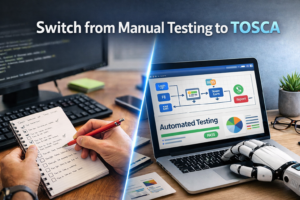
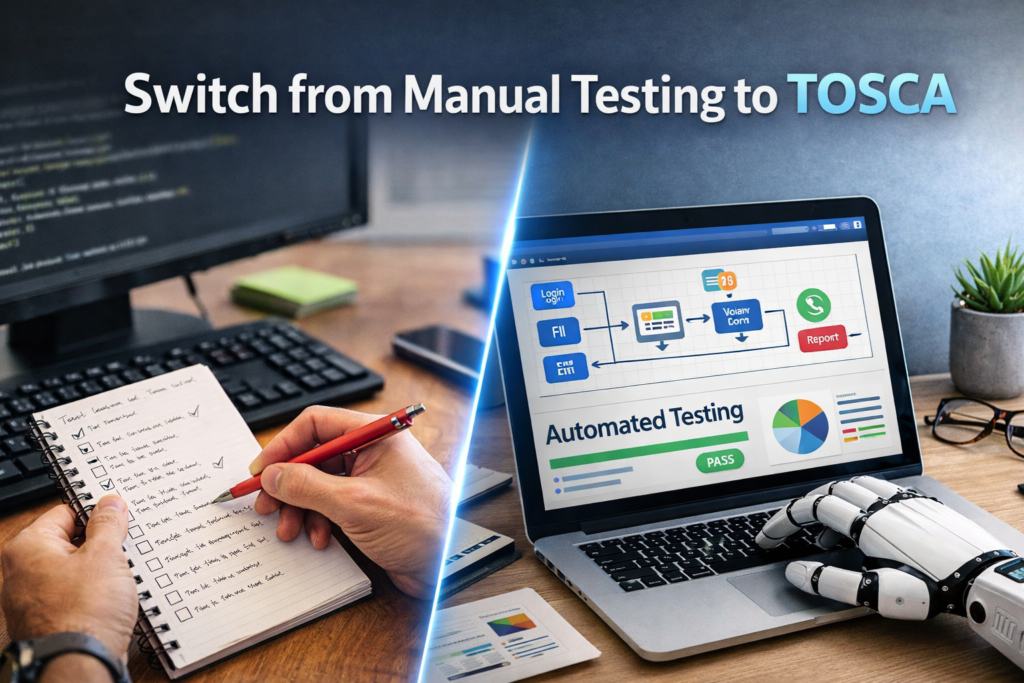
The traditional tester role focused on execution. The 2026 tester role focuses on quality intelligence.
Old Testing Model
- Write test cases manually
- Execute scripts
- Report defects
- Maintain regression suites
New Testing Model (2026)
- Analyze AI-generated test recommendations
- Validate AI decisions
- Test data pipelines
- Monitor production AI behavior
- Test ethical and fairness outcomes
Testing is moving closer to quality engineering + data validation + risk analysis.
What AI Tools Are Software Testers Using in 2026?
Testers do not need to build AI models, but they need to work with AI-enabled tools.
Common AI Testing Tool Categories
AI Test Automation Tools
- Self-healing test platforms
- AI visual testing tools
- AI API testing assistants
AI Analytics Tools
- Log anomaly detection
- Failure pattern prediction
- Test coverage intelligence dashboards
AI Coding Assistants
- Test script generation helpers
- Unit test auto-generation tools
- Debugging assistants
Do Testers Need Programming Skills Along With AI?
Yes. AI testing is closely linked with automation and scripting.
Most Valuable Skill Combination in 2026
- Python + Testing
- API Testing + AI Tools
- Cloud Testing + AI Monitoring
- Test Automation + AI Analytics
Python is especially important because many AI tools integrate with Python-based ecosystems.
How Much AI Knowledge Is Enough for Testers?
Not all testers need the same depth of AI skills.
Entry-Level Testers
Need to understand:
- What AI systems do
- How AI predictions can fail
- How to test AI outputs
Mid-Level Testers
Should understand:
- Data quality validation
- AI model input-output testing
- AI feature test design
Senior QA / SDET / QA Leads
Should understand:
- AI risk testing strategies
- Model drift monitoring
- AI compliance testing
Will AI Replace Software Testers?
No. AI will change testing, not eliminate testers.
Reasons testers remain essential:
- AI systems also need testing
- Business logic validation still requires human judgment
- Ethical testing cannot be fully automated
- Exploratory testing requires human creativity
- Risk-based testing needs domain understanding
AI removes repetitive work, allowing testers to focus on high-value quality engineering tasks.
What New Testing Roles Are Emerging Because of AI?
Emerging QA Roles in 2026
AI Test Engineer
Tests AI models, training data, and predictions.
Quality Engineer for AI Systems
Focuses on reliability and monitoring AI behavior in production.
AI Validation Specialist
Validates fairness, bias, and explainability.
Test Data Engineer
Designs high-quality data sets for testing AI systems.
How Testers Can Start Learning AI Without Overwhelm
Testers do not need to jump into deep machine learning immediately.
Step-by-Step Learning Path
Step 1: Learn AI Concepts
Understand:
- What is machine learning
- What is generative AI?
- What is model training vs inference?
Step 2: Learn Python Basics
Focus on:
- Data handling
- API calls
- Automation scripting
Step 3: Learn AI Testing Concepts
Understand:
- Data validation testing
- AI output verification
- Bias testing basics
Step 4: Practice With AI Testing Tools
Start using:
- AI test case generators
- AI log analysis tools
- AI automation assistants
What Industries Expect AI-Aware Testers in 2026?
AI-aware testers are especially valuable in:
- FinTech
- Healthcare software
- Autonomous systems
- SaaS platforms
- Cybersecurity tools
- E-commerce personalization systems
These industries rely heavily on AI decision-making systems.
What Salary Impact Do AI Skills Have for Testers in 2026?
While exact numbers vary by country and company, trends show:
- AI-aware testers earn more than manual-only testers
- Automation + AI testers earn the highest salaries
- AI + Cloud + Automation testers are most in demand
AI skills often improve salary potential because companies need testers who can validate modern intelligent systems.
What Happens If Testers Ignore AI Skills?
Testers who ignore AI risk:
- Limited job opportunities
- Lower salary growth
- Difficulty transitioning to automation roles
- Reduced relevance in enterprise projects
Even basic AI awareness helps long-term career stability.
Are AI Skills Required for Entry-Level Testing Jobs?
Not always required, but strongly preferred.
Many entry-level roles now list:
- AI testing exposure (preferred)
- Automation tool exposure
- Data testing basics
Freshers with AI awareness + automation basics stand out significantly in hiring.
What Is the Minimum AI Skill Set a Tester Should Have in 2026?
A practical minimum includes:
- Understanding how AI makes predictions
- Ability to test AI outputs logically
- Basic prompt engineering
- Basic data validation knowledge
- Familiarity with AI-enabled testing tools
This is achievable within months, not years.
Future Outlook: Software Testing + AI Beyond 2026
The future of testing is moving toward:
- Autonomous testing systems
- Continuous AI quality monitoring
- AI-driven production defect prediction
- Real-time quality dashboards
- Digital twin testing environments
Testers will evolve into Quality Intelligence Engineers.
Final Conclusion
Training for Software testers in 2026 does not need advanced machine learning development skills, but AI literacy is becoming a core professional requirement. Testers who understand how AI tools assist testing, how to validate AI-driven systems, and how to work with AI-assisted development teams will have better job security, higher salaries, and stronger career growth. The most successful testers will combine traditional QA fundamentals with automation, data understanding, and practical AI tool usage.