The world of software development has evolved at a rapid pace in recent years, and with it, the demand for Quality Assurance (QA) professionals has skyrocketed. QA engineers play a critical role in ensuring the reliability, functionality, and usability of software products. If you’re interested in pursuing a career in QA and landing your first testing job, you may be wondering how best to prepare. One of the most effective ways to increase your chances of securing a QA role is through comprehensive quality assurance training.
This blog post will explore how QA training can help you land your first testing job, why it’s crucial for your success, and how it equips you with the knowledge and skills necessary to thrive in the QA field.
Understanding Quality Assurance in Software Development
Before diving into the importance of QA training, it’s essential to understand what quality assurance is and why it matters in software development. QA involves the process of ensuring that a software product meets the required standards and works as intended. QA specialists or testers are responsible for identifying bugs, reporting issues, and ensuring that the product delivers an optimal user experience. They evaluate all aspects of the software, including functionality, performance, security, and usability.
In software development, QA is critical because it helps reduce the risk of errors and malfunctions, which could have serious consequences for users and businesses. By ensuring that the software meets high-quality standards, QA professionals prevent costly mistakes and customer dissatisfaction.

Why Quality Assurance Training Matters
As you embark on your journey to land your first testing job, QA training will serve as the foundation upon which you build your career. Here are several ways that QA training can help you succeed:
1. A Structured Learning Path
While you may have a basic understanding of software development or testing, the world of QA is vast and can be challenging to navigate on your own. Quality Assurance training programs offer a structured learning path that guides you through key concepts and techniques that are vital for success in the industry. These programs are designed to teach you the essential skills in an organized manner, ensuring that you don’t miss any critical components of QA.
Through formal training, you’ll learn various testing methods, techniques, and tools that will help you perform tasks more effectively and efficiently. Without this structure, you might struggle to acquire the necessary knowledge in a timely manner.
2. Hands-On Experience with Testing Tools
In today’s QA field, tools play a vital role in automation, bug tracking, and performance testing. Most QA training programs include hands-on sessions where you get to work with industry-standard testing tools, such as Selenium, JIRA, LoadRunner, and Postman. These tools help testers execute test cases, manage workflows, track defects, and perform other crucial testing tasks.
By gaining hands-on experience with these tools, you’ll not only learn how to use them but also get familiar with their real-world applications. Employers value candidates who are proficient in popular tools, as it reduces the time needed for onboarding and ensures that new hires can contribute immediately.
3. Exposure to Different Types of Testing
Software testing is not one-size-fits-all. Depending on the software, product requirements, and business goals, different types of testing are required. Quality Assurance training exposes you to various testing techniques, such as:
- Functional Testing: Ensures that the software’s features work as intended.
- Regression Testing: Verifies that updates or changes to the software don’t break existing functionality.
- Performance Testing: Assesses how well the software performs under stress or heavy usage.
- Usability Testing: Focuses on the user experience and ensures the software is intuitive and easy to use.
- Security Testing: Ensures that the software is secure from vulnerabilities and cyber threats.
In addition to learning these testing methodologies, quality assurance training programs may also introduce you to specialized testing such as mobile app testing, API testing, and unit testing, which are becoming increasingly important in modern software development. Having a wide range of knowledge in different testing methods makes you a versatile candidate, which is attractive to employers looking for well-rounded professionals.
4. Understanding the Software Development Lifecycle (SDLC)
A critical component of any QA training program is understanding the Software Development Lifecycle (SDLC). The SDLC is a framework that defines the stages involved in developing a software product, from planning and design to development and maintenance.
By understanding the SDLC, QA professionals can align their testing efforts with the development process. For instance, learning how to conduct testing during different phases of the SDLC, such as during development (unit testing) or after the build is completed (integration testing), is key to ensuring high-quality software. QA training ensures that you know how to implement testing practices at the right time in the development cycle.
5. Quality Assurance Methodologies and Best Practices
QA training also helps you become familiar with industry-standard methodologies and best practices. For example, you’ll learn about Agile and Scrum methodologies, which are commonly used in software development. In Agile environments, QA professionals must be able to work collaboratively with developers and other stakeholders to test and release software quickly.
Training programs typically teach you how to follow best practices when writing test cases, creating bug reports, and communicating with developers. This knowledge is crucial for making sure your testing efforts are organized, effective, and aligned with the project goals.
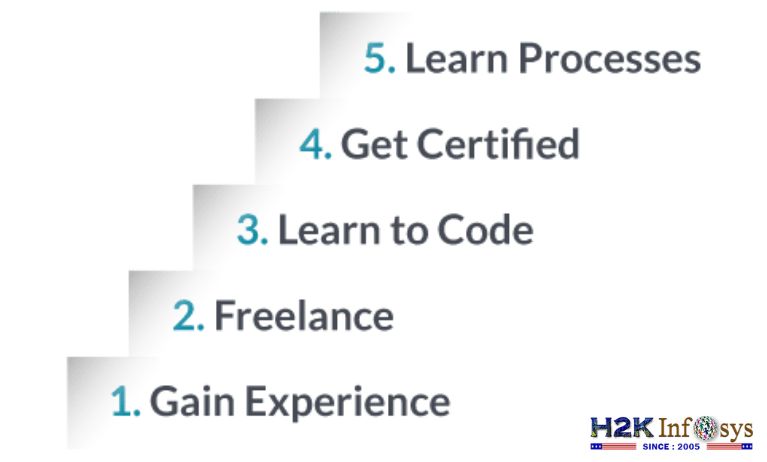
6. Build Your Resume with Certifications
One of the best ways to make yourself stand out in the competitive world of software testing is by obtaining relevant certifications. Many quality assurance training programs provide the opportunity to earn certifications such as:
- Certified Software Tester (CSTE)
- Certified ScrumMaster (CSM)
- ISTQB Foundation Level
- Certified Agile Tester (CAT)
These certifications demonstrate to potential employers that you have a solid foundation in QA and are serious about your career. QA training programs typically help you prepare for these exams by offering study materials and practice tests. Having a certification on your resume can give you a competitive edge over other candidates and increase your chances of landing that first testing job.
7. Learning How to Communicate Effectively
One of the most important skills that quality assurance testers need is effective communication. QA professionals are often responsible for reporting bugs, writing test cases, and communicating with developers and project managers. QA training programs often emphasize the importance of clear and concise communication, helping you develop the ability to write detailed bug reports and test documentation.
Moreover, quality assurance training teaches you how to explain complex issues in a way that is understandable to non-technical stakeholders. Communication skills are vital when working in cross-functional teams and interacting with clients or managers, and employers value candidates who can effectively convey testing results and suggestions.
8. Networking Opportunities
While technical skills are essential for a career in QA, networking can also play a significant role in securing your first testing job. QA training programs often provide opportunities to connect with instructors, fellow students, and industry professionals. Some training programs even offer job placement assistance, helping you land interviews with companies that are looking for fresh talent.
Networking within the Quality Assurance community can help you learn about job openings, discover potential mentors, and stay updated on industry trends. It can also give you access to insider knowledge on what employers look for when hiring testers.
9. Boost Your Confidence
Breaking into the QA industry can be intimidating, especially if you don’t have prior experience. QA training provides you with the knowledge and skills needed to approach the job with confidence. When you are well-trained, you can demonstrate your expertise in interviews and show that you have the necessary skills to succeed.
Confidence is key when applying for your first testing job, as it helps you stand out during the hiring process. With QA training, you will be able to tackle technical challenges head-on, impress recruiters, and ultimately land your first role.
Conclusion
Quality assurance training plays a crucial role in preparing you for your first testing job. It provides you with the knowledge, hands-on experience, and certifications that can help you stand out from the competition and impress potential employers. By investing time in QA training, you will not only gain valuable technical skills but also build the confidence and communication abilities needed to succeed in the QA field.
Whether you’re just starting or looking to switch careers, quality assurance training is an investment that will pay off in the form of increased job opportunities, higher earning potential, and career growth. So, if you’re passionate about ensuring the quality of software products and want to embark on a rewarding career in testing, QA training is the first step toward securing your dream job.