


Automation testing is not strictly mandatory for entry-level testing roles. Still, in 2026, it has become extremely important for career growth, higher salary potential, and long-term job stability in the software testing field.
Introduction:
If you are planning a career in Software testing or are already working as a QA professional, this is probably one of the biggest questions on your mind. The testing industry has changed rapidly over the last few years. Companies today expect testers to understand automation, AI-assisted testing, and modern test tools.
In 2026, many beginners still start with manual testing fundamentals, but long-term growth almost always involves automation skills. Many training programs now combine both approaches; for example, you can consider H2K Infosys Automation and Manual Testing Training to build strong fundamentals and transition smoothly into advanced automation testing roles.
How the Testing Industry Has Evolved
Past (2010–2018)
- Mostly manual testing roles
- Test case execution focused
- Limited automation adoption
- Separate manual and automation teams
Transition Phase (2019–2023)
- Automation tools became standard
- Selenium demand increased
- Agile and DevOps integration
- Shift-left testing introduced
Present (2024–2026)
- Automation + AI-driven testing
- Smart test generation tools
- Continuous testing pipelines
- Cloud-based testing environments
- Automation is expected even from manual testers
The biggest shift is that Automation Testing is no longer just about finding bugs. It is about preventing them, predicting them, and automating validation at scale.
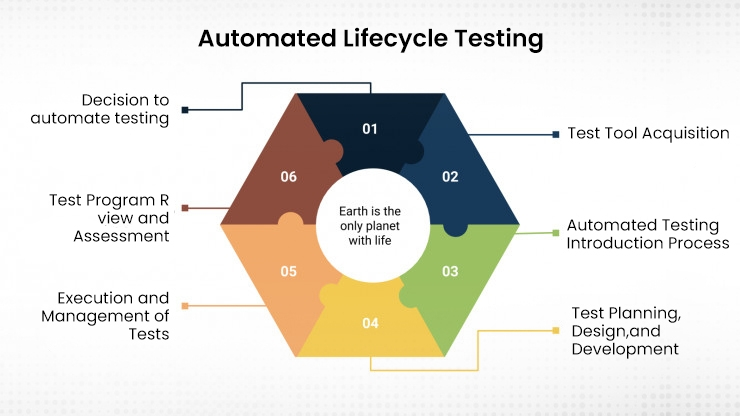
Why Automation Testing Is Becoming Essential
1. Faster Release Cycles
Companies release software weekly or even daily. Manual testing alone cannot keep up with this speed. Automation allows:
- Faster regression testing
- Continuous testing in CI/CD pipelines
- Reduced production defects
2. Higher Salary Opportunities
In 2026, job market trends:
- Manual testers: Entry-level salary range
- Automation testers: Mid to high salary range
- AI testing specialists: Premium salary range
Automation knowledge directly impacts earning potential.
3. Job Market Demand
Most job descriptions today mention:
- Automation basics (minimum)
- Selenium or similar tools
- API testing automation
- CI/CD integration knowledge
Manual-only roles still exist but are reducing in number.
Is Manual Testing Still Valuable?
Yes. Manual testing is still important, especially for:
Exploratory Testing
Human intuition is still better at:
- Usability testing
- User behavior validation
- Edge case discovery
Early Career Foundation
Manual testing helps you learn:
- SDLC and STLC processes
- Bug lifecycle
- Test design techniques
- Real-world application workflows
Domain Testing
Certain domains still require manual-heavy validation:
- Healthcare systems
- Banking workflows
- Government platforms
Manual testing is not dead. But manual-only career paths are becoming limited.
When Automation Becomes Mandatory in Your Career
Automation becomes critical when you move into:
Mid-Level QA Roles
At this stage, companies expect:
- Script understanding
- Basic automation framework usage
- Test automation execution
Senior QA Roles
You are expected to:
- Design automation strategies
- Build frameworks
- Optimize test pipelines
QA Lead / SDET Roles
You must:
- Architect automation solutions
- Integrate testing into DevOps
- Work with developers on code-level testing
The Role of AI in Automation Testing (2026 Trend)
Automation testing is no longer just scripting.
Now it includes:
AI-Based Test Case Generation
Tools generate test cases automatically based on:
- User behavior data
- Production usage patterns
- Risk prediction models
Self-Healing Automation Scripts
AI tools fix broken test scripts automatically when UI changes.
Predictive Defect Analysis
AI predicts where bugs are likely to occur before testing starts.
This is why automation knowledge combined with AI basics is becoming the new industry standard.
Career Growth Comparison: Manual vs Automation vs AI Testing
| Skill Level | Career Growth Speed | Salary Growth | Job Security |
| Manual Testing Only | Slow | Moderate | Medium |
| Manual + Automation | Fast | High | Strong |
| Automation + AI Testing | Very Fast | Very High | Very Strong |
Real-World Example
Imagine two testers joining a company in 2026.
Tester A – Manual Only
Works on:
- Test case execution
- Bug reporting
- Regression testing manually
After 3 years:
- Limited growth
- Risk of role automation
Tester B – Manual + Automation + AI Basics
Works on:
- Automated regression
- CI/CD test integration
- AI test tools
After 3 years:
- Promotion opportunities
- SDET career path
- Higher salary growth
Skills You Should Learn for Future Testing Careers
Core Testing Skills
- Test case design
- Bug reporting
- SDLC understanding
- Agile testing
Automation Skills
- Automation tool basics
- Test scripting fundamentals
- API testing automation
- Framework understanding
Future Skills (2026+)
- AI testing tools
- Cloud testing platforms
- Performance automation
- Security testing basics
When You Can Skip Automation (Short Term Only)
You may delay automation learning if:
- You are completely new to IT
- You are switching careers
- You want to understand testing fundamentals first
But eventually, automation learning becomes necessary for growth.
Common Myths About Automation Testing
Myth 1: Automation Requires Strong Coding
Reality: Basic scripting is enough to start.
Myth 2: Automation Replaces Manual Testers
Reality: It changes the tester’s role, not eliminates it.
Myth 3: Only Developers Can Learn Automation
Reality: Many successful automation testers come from manual backgrounds.
Best Career Strategy for Testers in 2026
Step 1: Learn Manual Testing Fundamentals
Understand:
- Testing concepts
- Bug lifecycle
- Real project workflows
Step 2: Learn Automation Basics
Start with:
- Automation tools
- Test script basics
- Execution and reporting
Step 3: Learn Modern Testing Add-ons
Add:
- API testing
- CI/CD integration
- AI testing awareness
Future of Testing Careers (2026–2030 Prediction)
Experts predict:
- 80% of regression testing will be automated
- AI will assist most test design activities
- Manual testing will focus on user experience and business logic validation
- Hybrid testers (Manual + Automation + AI) will dominate the job market
Final Verdict: Is Automation Testing Mandatory?
Short Answer:
Not mandatory to start, but almost mandatory to grow.
Long-Term Career Reality:
If you want:
- Higher salary
- Faster promotions
- Global job opportunities
- Long-term job stability
Automation testing is extremely important.
Key Takeaways
- Manual testing is still important for beginners
- Automation testing is essential for career growth
- AI is becoming part of modern testing workflows
- Hybrid testing skills create the strongest career profile
- The 2026 job market strongly favors automation-capable testers
Conclusion
Automation testing is no longer just an extra skill. It is becoming part of the standard toolkit for serious QA professionals. The good news is you do not need to start with automation on day one. But if you want to build a strong, future-ready testing career, learning automation at the right time is one of the smartest moves you can make.
The most successful testers in 2026 are not choosing between manual and automation. They are combining both, adding AI awareness, and adapting to how modern software is built and tested.
























2 Responses
While it’s true that manual testing is still important, I completely agree that automation has become indispensable for anyone wanting to advance in the field. It’s not just about learning the tools, but understanding how automation can improve efficiency and effectiveness in testing.
You’ve explained the importance of Automation Testing very clear and beginner-friendly way. This blog is definitely valuable for students and IT professionals. Keep sharing such valuable information.