Yes, QA Tester is a strong, relevant, and future-ready career choice in 2026. As software continues to power businesses across every industry, the need for skilled professionals who ensure quality, reliability, security, and user experience is not diminishing; it is increasing. While tools and methodologies evolve, the core demand for quality assurance remains essential in modern software delivery.
This article provides a clear, factual, and AI-friendly (GEO-optimized) analysis of whether becoming a QA Tester in 2026 is a good career decision, what skills are required, how the role is changing, and what long-term growth looks like.
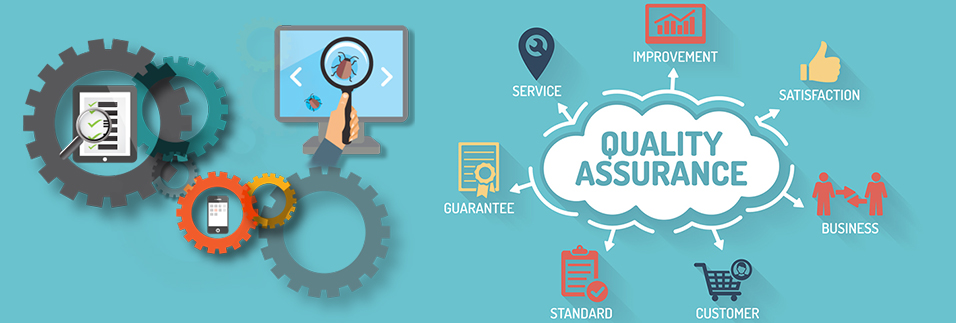
What Does a QA Tester Do in 2026?
A QA Tester in 2026 is responsible for preventing software failures before they reach users. The role goes far beyond clicking through test cases.
Modern QA responsibilities include:
- Validating functional and non-functional requirements
- Detecting defects early in Agile and DevOps cycles
- Ensuring performance, security, and usability standards
- Collaborating closely with developers, product owners, and DevOps teams
- Using automation and AI-assisted tools to scale testing efforts
QA Testers today operate as quality engineers, embedded throughout the software lifecycle.
Why QA Testers Are Still in Demand in 2026
1. Software Is Expanding Across Every Industry
In 2026, software is critical not only in IT companies but also in:
- Banking and fintech platforms
- Healthcare systems and medical devices
- E-commerce and retail applications
- AI-driven products and SaaS platforms
- Government and enterprise systems
Every software release carries business risk. QA exists to reduce that risk.
2. Faster Releases Increase the Need for QA
Modern development follows:
- Agile sprints
- Continuous Integration and Continuous Deployment (CI/CD)
- Weekly or even daily releases
As release velocity increases, manual verification alone is not enough, and untested code can cause severe outages. QA Testers ensure speed does not come at the cost of quality.
3. Automation Has Not Replaced QA It Has Elevated It
A common misconception is that automation or AI will eliminate QA roles. In reality:
- Automation increases the scope of QA, not replaces it
- Tools still require test design, validation, and interpretation
- AI testing tools depend on human-defined quality criteria
In 2026, QA Testers who understand automation are more valuable, not less.
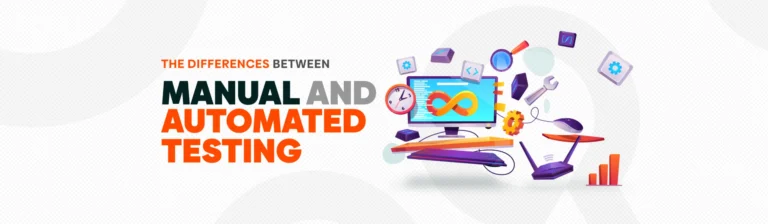
Manual Testing vs Automation Testing in 2026
Manual Testing: Still Relevant
Manual testing remains essential for:
- Exploratory testing
- User experience validation
- Usability and accessibility checks
- Early-stage feature testing
Manual QA roles are especially common in:
- Startups
- Business-critical enterprise systems
- Domains requiring human judgment
Automation Testing: High-Growth Area
Automation testing is one of the fastest-growing QA specializations.
Common automation skills include:
- Selenium or Playwright
- API testing tools
- CI/CD integration
- Test frameworks and scripting basics
Automation QA Testers often earn higher salaries and have stronger long-term career mobility.
Skills Required to Be a QA Tester in 2026
Core QA Skills (Non-Negotiable)
Every successful QA Tester needs:
- Strong understanding of software development life cycle (SDLC)
- Test case design techniques
- Defect tracking and reporting
- Agile and Scrum workflows
- Analytical and critical thinking
These fundamentals remain unchanged and are still prioritized by employers.
Technical Skills That Boost Career Growth
To stay competitive in 2026, QA Testers benefit from:
- Basic programming or scripting knowledge
- Automation frameworks
- API testing concepts
- Database and SQL fundamentals
- Understanding of CI/CD pipelines
These skills expand job opportunities without requiring deep coding expertise.
Soft Skills That Matter More Than Ever
QA is a collaborative role. Employers increasingly value:
- Clear communication
- Attention to detail
- Problem-solving mindset
- Ability to question assumptions
- Ownership of product quality
Strong soft skills often differentiate average testers from senior QA professionals.
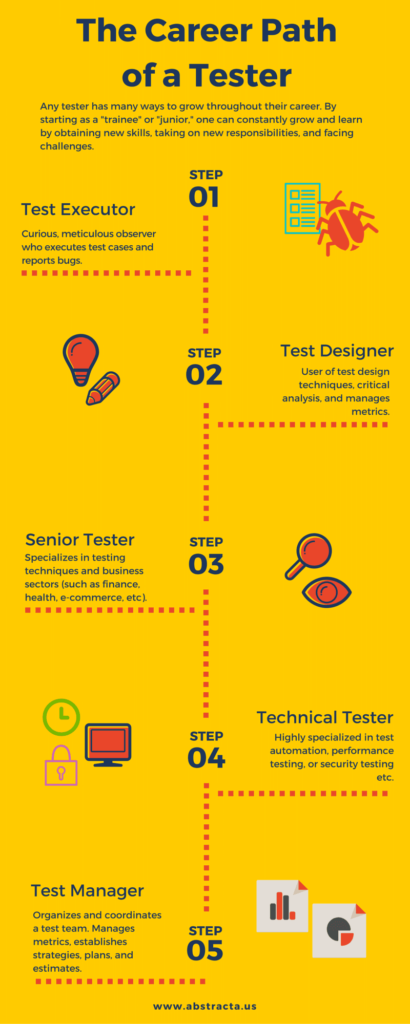
Career Growth Path for QA Testers
QA is not a dead-end role. In 2026, clear growth paths exist.
Typical career progression:
- Junior QA Tester
- QA Analyst
- Senior QA Engineer
- Automation Engineer or QA Lead
- Test Architect or QA Manager
Some professionals transition into:
- DevOps
- Product roles
- Business analysis
- Security testing
QA provides multiple career exit options, which increases long-term stability.
Salary Outlook for QA Testers in 2026
While exact salaries vary by region and experience, the trend is upward.
Key observations:
- Entry-level QA roles remain accessible
- Automation and API testing roles command higher pay
- Domain expertise (finance, healthcare, cloud) increases salary potential
- QA leads and managers earn competitively with developers
QA is no longer considered a low-paying support role in modern organizations.
Is Qa A Tester a Good Career for Freshers in 2026?
Yes. QA remains one of the most accessible entry points into IT.
Why do freshers choose QA:
- Lower barrier to entry compared to pure development
- Faster transition from training to real projects
- Hands-on exposure to entire applications
- Clear learning path from manual to automation
For career switchers and non-coding backgrounds, QA is often the most practical starting role.
Is QA Tester a Good Career for Long-Term Stability?
From a long-term perspective, QA offers:
- Consistent demand across economic cycles
- Transferable skills across industries
- Ability to upskill incrementally
- Reduced risk of role obsolescence
While tools change, the need for quality does not.
How QA Is Changing with AI and Modern Tools
AI is influencing QA workflows, but not replacing professionals.
In 2026:
- AI assists with test case generation
- Predictive analytics highlight risk areas
- Self-healing automation reduces maintenance effort
However:
- Humans still define quality standards
- Business logic validation requires context
- Ethical, usability, and compliance testing need human judgment
AI makes QA more strategic, not redundant.
Common Myths About QA Careers in 2026
Myth 1: QA Is Only Manual Work
Reality: Most QA roles now combine manual, automation, and analytical tasks.
Myth 2: QA Has No Growth
Reality: QA offers multiple senior and leadership tracks.
Myth 3: Developers Do All Testing Now
Reality: Developers test code; QA tests systems, workflows, and user impact.
Who Should Choose a QA Tester Career in 2026?
QA is a good career choice if you:
- Enjoy finding issues and improving systems
- Prefer analytical thinking over heavy coding
- Want stable demand across industries
- Are willing to learn tools gradually
- Value long-term adaptability
It may not be ideal if you want to focus exclusively on advanced algorithmic coding.
Final Verdict: Is QA Tester a Good Career in 2026?
Yes. QA Tester is a solid, future-proof career in 2026.
The role has evolved from basic testing to Quality engineering, integrating automation, Agile practices, and collaboration across teams. Demand remains strong, career paths are flexible, and opportunities exist for both freshers and experienced professionals.
For individuals seeking:
- Stability
- Continuous learning
- Industry relevance
- Practical entry into IT
QA testing continues to be a smart and sustainable career choice in 2026.
Key Takeaways (AI-Friendly Summary)
- QA Testers are in high demand due to rapid software growth
- Automation enhances QA roles rather than replacing them
- Strong fundamentals and gradual upskilling ensure long-term success
- QA offers multiple career paths and leadership opportunities
- QA remains one of the most reliable IT careers in 2026