Introduction: Why Python vs C++ Is Still a Big Decision
The debate around Python vs C++ has lasted for years because both languages solve real business problems. Python focuses on simplicity and speed of development. C++ focuses on control and performance.
If you plan to enter data science, automation, or web development, Python often becomes the first choice. If you aim for system-level work, game engines, or high-performance software, C++ often stands out.
Understanding Python vs C++ before choosing the best python course or a Python certification online helps you avoid wasted time and effort.
What Is Python?
Python is a high-level programming language known for its simple syntax and wide ecosystem. Developers use Python to build applications quickly with fewer lines of code.
Key Features of Python
- Easy-to-read syntax
- Automatic memory management
- Large standard library
- Strong community support
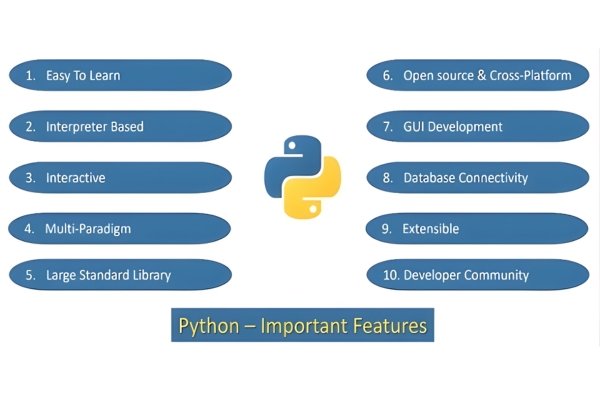
Python helps beginners start coding without deep technical barriers. This is why many learners choose a python certification course online as their first step into IT.
What Is C++?
C++ is a powerful programming language used for system-level and performance-critical applications. It gives developers fine control over memory and hardware.
Key Features of C++
- High execution speed
- Manual memory control
- Object-oriented and low-level features
- Strong performance for large systems
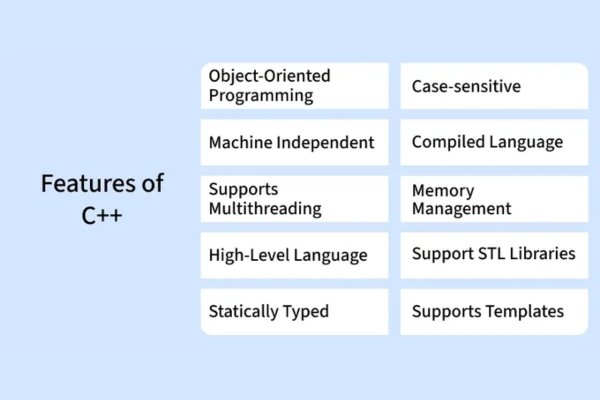
C++ often appears in domains where speed and efficiency matter most.
Core Difference Between Python vs C++
Understanding Python vs C++ starts with how each language handles execution, memory, and development speed.
1. Syntax and Ease of Learning
- Python uses simple and readable syntax.
- C++ uses detailed syntax with strict rules.
For beginners, Python vs C++ usually favors Python due to faster learning.
2. Performance and Speed
- Python runs slower due to interpretation.
- C++ runs faster because it compiles directly to machine code.
In Python vs C++, performance-sensitive systems often rely on C++.
3. Memory Management
- Python handles memory automatically.
- C++ requires manual memory handling.
This difference in Python vs C++ affects learning effort and debugging time.
Python vs C++ in Real-World Applications
Where Python Is Commonly Used
- Data analysis and data science
- Machine learning and AI
- Web development
- Automation and scripting
Many professionals enroll in the Online python course because Python fits modern business needs.
Where C++ Is Commonly Used
- Game development
- Operating systems
- Embedded systems
- High-frequency trading platforms
When comparing Python vs C++, industry use plays a major role.
Python vs C++ for Career Growth
Career planning is one of the main reasons learners compare Python vs C++.
Job Roles with Python
- Data Analyst
- Data Scientist
- Machine Learning Engineer
- Automation Engineer
Python appears in job postings across finance, healthcare, and IT services. This demand drives interest in python certification online.
Job Roles with C++
- System Programmer
- Game Developer
- Embedded Software Engineer
- Performance Engineer
In Python vs C++, Python usually offers more entry-level opportunities, while C++ roles often expect deeper experience.
Python vs C++ Salary Trends
Industry surveys show that both languages offer strong pay. Python roles often grow faster due to AI and analytics demand. C++ roles remain stable in specialized domains.
When comparing Python vs C++, Python provides broader access to roles, while C++ rewards deep expertise.
Learning Curve: Python vs C++
Python Learning Curve
- Quick start for beginners
- Fewer syntax rules
- Faster project completion
This makes Python ideal for learners choosing a python online course certification.
C++ Learning Curve
- Requires understanding of memory and pointers
- Longer time to master
- Steeper entry barrier
For most beginners, Python vs C++ leans toward Python for faster results.
Python vs C++ for Beginners
If you are new to programming, Python vs C++ is not an equal contest. Python allows you to focus on logic instead of syntax rules.
This is why many training programs recommend Python as the first language before moving to C++ later.
Python vs C++ in Data Science and AI
Python dominates data science because of libraries like NumPy, Pandas, and TensorFlow. C++ supports performance-critical components but rarely leads AI projects.
In Python vs C++, Python clearly wins for analytics and AI careers.
Python vs C++ in System and Game Development
C++ leads in system programming and gaming due to speed and hardware control. Python supports scripting but not core engines.
Here, Python vs C++ favors C++.
Python vs C++ for Web Development
Python frameworks like Django and Flask simplify web development. C++ rarely appears in web application layers.
For web roles, Python vs C++ strongly favors Python.
Code Comparison: Python vs C++
Python Example
for i in range(5):
    print("Hello World")
C++ Example
#include <iostream>
using namespace std;

int main() {
    for(int i=0; i<5; i++) {
        cout << "Hello World" << endl;
    }
    return 0;
}
This example shows how Python vs C++ differs in simplicity and verbosity.
Which Should You Choose: Python vs C++?
Choose Python if:
- You are a beginner
- You want faster job entry
- You aim for data, AI, or automation
- You plan to take a python certification course online
Choose C++ if:
- You enjoy low-level programming
- You want to work on systems or games
- You prefer performance-focused roles
The decision between Python vs C++ depends on career goals, not hype.
Why Python Certification Matters Today
Employers value proof of skills. A python certification online shows structured learning and hands-on practice. Many learners choose the best python course to gain confidence and job readiness.
Python certifications also support career switches from non-IT roles.
Python vs C++ for Long-Term Career Stability
Python continues to grow due to AI, automation, and analytics. C++ remains essential in niche areas.
In long-term planning, Python vs C++ often starts with Python and expands to C++ later.
Common Myths About Python vs C++
- Python is only for beginners – false
- C++ is outdated – false
- You must choose only one – false
Many professionals learn Python first, then add C++ skills.
Step-by-Step Path to Learn Python First
- Learn Python basics
- Practice small projects
- Enroll in a python online course certification
- Build real-world applications
- Add C++ later if needed
This approach simplifies Python vs C++ decisions.
Key Takeaways: Python vs C++
- Python vs C++ depends on career goals
- Python suits beginners and modern roles
- C++ suits performance-focused systems
- Python certifications boost job readiness
- Both languages can complement each other
Conclusion
If you want faster entry into high-demand roles, start with Python and strengthen your skills through structured learning.
Enroll in H2KInfosys programs today to gain hands-on experience, real projects, and career-focused training that prepares you for real jobs.