Blockchain engineers and artificial intelligence experts are both among the highest-paid technology professionals, but compensation depends more on role specialization, industry, geography, and enterprise demand than on the technology label alone. In many regions, senior artificial intelligence experts working in machine learning engineering or applied AI research tend to command slightly higher median salaries, while Blockchain Engineers in financial services, fintech, and decentralized systems projects often reach comparable or higher pay at senior and architect levels.
This explains how these two career paths compare in real-world enterprise environments, how organizations use each technology, what skills drive compensation, and how professionals can evaluate long-term career value.
What Is the Difference Between a Blockchain Engineers and an Artificial Intelligence Expert?
A Blockchain Engineers focuses on building, securing, and maintaining distributed ledger systems. Their work centers on decentralized architectures, smart contracts, cryptographic security, and transaction systems that must remain tamper-resistant and auditable across multiple parties.
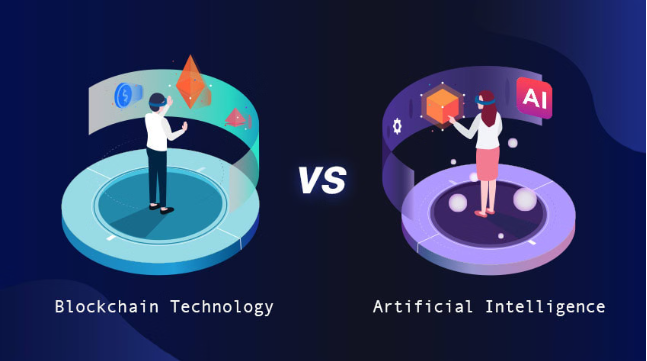
An artificial intelligence expert focuses on building systems that learn from data, often applying an Artificial Intelligence Training Program to develop machine learning models, manage data pipelines, design training infrastructure, and deploy predictive or generative systems into enterprise business workflows.
Core Functional Differences
| Aspect | Blockchain Engineer | Artificial Intelligence Expert |
|---|---|---|
| Primary Goal | Secure, decentralized data and transaction systems | Intelligent systems that learn and make predictions |
| Core Technologies | Distributed ledgers, cryptography, smart contracts | Machine learning models, neural networks, data pipelines |
| Data Handling | Immutable, verifiable records | Large-scale, dynamic datasets |
| Enterprise Focus | Trust, transparency, compliance | Automation, optimization, insight generation |
Both roles require strong engineering foundations, but their daily responsibilities and performance metrics differ significantly in production environments.
How Does Artificial Intelligence Work in Real-World IT Projects?
Artificial intelligence in enterprise environments is rarely about standalone models. It is part of a broader system that includes data engineering, infrastructure, security, and monitoring.
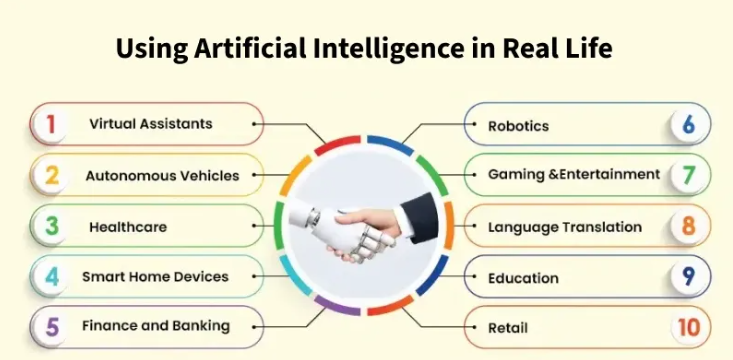
Typical Enterprise AI Workflow
- Data Collection and Ingestion
Data is gathered from transactional systems, logs, sensors, or user interactions using tools such as Apache Kafka, cloud storage services, or ETL pipelines. - Data Preparation and Feature Engineering
Raw data is cleaned, transformed, and structured for modeling. This step often uses Python-based frameworks and data platforms like Apache Spark or cloud-native analytics tools. - Model Development and Training
Machine learning engineers use frameworks such as TensorFlow, PyTorch, or Scikit-learn to train models in controlled environments. - Deployment and Integration
Models are deployed into production systems using APIs, container platforms like Docker and Kubernetes, and cloud services. - Monitoring and Governance
Performance, drift, and bias are tracked using monitoring tools and logging frameworks to ensure models remain reliable and compliant.
Realistic Project Scenarios
- Fraud detection systems in banking platforms
- Recommendation engines in e-commerce systems
- Predictive maintenance models in manufacturing
- Natural language processing systems for customer support automation
In most organizations, AI experts collaborate closely with DevOps, data engineering, and security teams rather than working in isolation.
How Does Blockchain Work in Real-World IT Projects?
Blockchain Engineers systems in enterprises focus less on public cryptocurrency networks and more on controlled, permissioned systems used for trust-based collaboration between organizations.
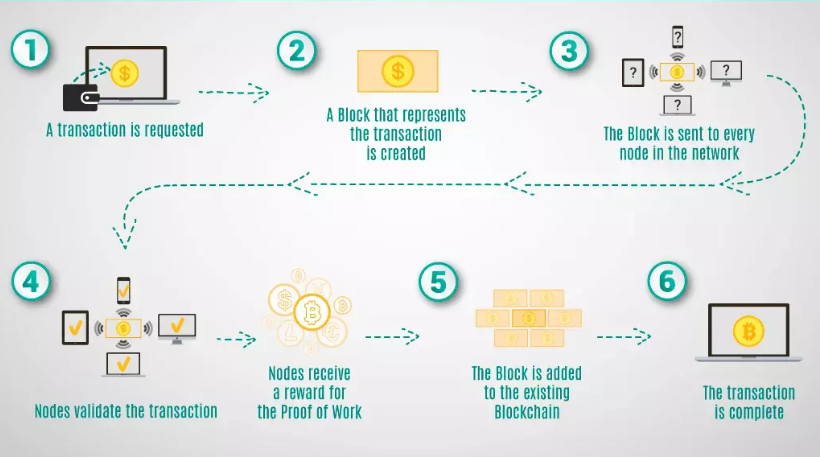
Typical Enterprise Blockchain Workflow
- Network Design and Governance Model
Teams define who can participate, who validates transactions, and how consensus is achieved. - Smart Contract Development
Engineers write automated logic using platforms such as Ethereum, Hyperledger Fabric, or Corda. - Security and Cryptography Integration
Identity management, encryption, and access control systems are integrated to protect transactions and data. - System Integration
Blockchain systems are connected to ERP, CRM, and supply chain systems using APIs. - Audit and Compliance Monitoring
Transaction logs are used to meet regulatory and governance requirements.
Realistic Project Scenarios
- Supply chain traceability systems
- Cross-border payment platforms
- Digital identity verification systems
- Asset tokenization platforms in finance
In production environments, Blockchain Engineers often work alongside compliance, legal, and infrastructure teams due to regulatory and performance constraints.
Why Is Salary Comparison Between These Roles Complex?
Compensation differences are influenced by several structural factors rather than the technology itself.
Key Salary Drivers
- Industry Sector
Financial services, healthcare, and enterprise SaaS often pay more for AI expertise, while fintech and regulatory-driven industries may offer higher compensation for blockchain specialists. - Role Seniority
Architects and technical leads in either field typically earn more than individual contributors. - Geographic Location
Salaries in North America and Western Europe are generally higher than in emerging markets. - Project Criticality
Systems tied to compliance, revenue, or security tend to justify higher compensation. - Tool and Platform Expertise
Cloud platforms, security frameworks, and large-scale system experience often add more value than core technology knowledge alone.
What Skills Are Required to Learn Artificial Intelligence as a Working Professional?
Technical Foundations
- Programming in Python and familiarity with data structures
- Linear algebra, probability, and statistics fundamentals
- SQL and basic data modeling concepts
Core AI Engineering Skills
- Machine learning algorithms and model evaluation
- Data preprocessing and feature engineering
- Model deployment and API integration
- Monitoring and performance tuning
Enterprise Tools and Platforms
- Cloud platforms such as AWS, Azure, or Google Cloud
- Containerization and orchestration tools
- Version control and CI/CD pipelines
- Data platforms such as Apache Spark or cloud analytics services
Professional Skills
- Communicating model limitations to non-technical stakeholders
- Understanding regulatory and compliance constraints
- Collaborating with DevOps and security teams
What Skills Are Required to Become a Blockchain Engineer?
Technical Foundations
- Programming in languages such as Solidity, JavaScript, or Go
- Cryptography basics and secure coding practices
- Networking and distributed systems concepts
Blockchain-Specific Skills
- Smart contract development and testing
- Consensus mechanisms and transaction validation
- Identity and access management
- Ledger architecture design
Enterprise Tools and Platforms
- Hyperledger Fabric, Ethereum, or Corda
- Cloud infrastructure for node deployment
- Security auditing tools
- API integration frameworks
Professional Skills
- Regulatory awareness and documentation practices
- Risk assessment and compliance collaboration
- System performance and scalability planning
How Are These Technologies Used in Enterprise Environments?
Artificial Intelligence in Enterprises
AI is often embedded into existing systems rather than deployed as standalone platforms. Common use cases include:
- Business intelligence automation
- Customer behavior analysis
- Process optimization
- Quality assurance and anomaly detection
AI teams frequently work within larger data and platform engineering departments.
Blockchain in Enterprises
Blockchain Engineers systems are often deployed in environments where multiple organizations need shared trust. Common use cases include:
- Contract automation
- Regulatory reporting systems
- Shared logistics platforms
- Digital asset management
These systems are usually managed by cross-functional teams involving IT, legal, and compliance departments.
What Job Roles Use These Technologies Daily?
Artificial Intelligence Roles
- Machine Learning Engineer
- Data Scientist
- AI Platform Engineer
- Applied Research Engineer
- AI Solutions Architect
Blockchain Roles
- Blockchain Developer
- Smart Contract Engineer
- Blockchain Security Analyst
- Distributed Systems Architect
- Blockchain Solutions Architect
How Do Salaries Compare in Practice?
General Market Trends
In many job markets:
- Mid-level AI engineers often earn more consistently across industries.
- Senior blockchain architects in finance or regulated industries can match or exceed AI salaries.
- AI roles tend to be more widely available across sectors, leading to more stable demand.
Salary Influencers Table
| Factor | Impact on AI Salary | Impact on Blockchain Salary |
|---|---|---|
| Industry Diversity | High | Moderate |
| Regulatory Complexity | Moderate | High |
| Cloud Integration | High | High |
| Security Requirements | Moderate | High |
| Talent Availability | Moderate | Lower |
What Are the Long-Term Career Growth Prospects?
Artificial Intelligence Career Path
- Junior Machine Learning Engineer
- Senior ML Engineer
- AI Platform Architect
- Head of AI or Data Engineering
AI skills often transfer well across industries, offering flexibility and long-term relevance.
Blockchain Career Path
- Blockchain Developer
- Senior Smart Contract Engineer
- Blockchain Architect
- Distributed Systems Lead
Blockchain expertise is more specialized, which can lead to high-value roles in specific sectors.
How Do Professionals Choose Between These Career Paths?
Decision Factors
- Interest in data-driven systems versus decentralized architectures
- Preference for research and experimentation versus governance and compliance
- Industry alignment such as healthcare, finance, or logistics
- Long-term skill portability
Tool Comparison: AI vs Blockchain Engineering
| Category | AI Tools | Blockchain Tools |
|---|---|---|
| Development | Python, TensorFlow, PyTorch | Solidity, Truffle, Hardhat |
| Infrastructure | Kubernetes, Docker, Cloud ML Services | Node management tools, Cloud VMs |
| Monitoring | MLflow, Prometheus | Blockchain explorers, audit logs |
| Security | Data governance frameworks | Cryptographic validation tools |
Learning Path Comparison
| Stage | Artificial Intelligence | Blockchain |
|---|---|---|
| Foundation | Programming, math, data handling | Programming, cryptography, networking |
| Intermediate | Model training, deployment | Smart contracts, ledger design |
| Advanced | MLOps, scalable systems | Governance, enterprise integration |
Common Challenges Teams Face
Artificial Intelligence
- Data quality and bias
- Model drift in production
- Infrastructure cost management
- Regulatory compliance for data usage
Blockchain
- Scalability limitations
- Regulatory uncertainty
- Integration with legacy systems
- Security vulnerabilities in smart contracts
Frequently Asked Questions
Do blockchain engineers always earn more than AI experts?
No. Compensation varies by industry, seniority, and region. Senior professionals in either field can earn comparable salaries depending on the business impact of their role.
Which field has more job opportunities?
Artificial intelligence roles are currently more widespread across industries, including healthcare, retail, manufacturing, and finance.
Is blockchain experience harder to acquire?
Blockchain skills are more specialized and often require experience with cryptography, distributed systems, and regulatory requirements.
Can professionals transition between these fields?
Yes. Skills such as cloud infrastructure, security, and software engineering are transferable between both domains.
Which career path is more future-proof?
Both fields are evolving. AI currently shows broader adoption, while blockchain remains highly valuable in regulated and trust-driven industries.
Key Takeaways
- Artificial intelligence and blockchain engineering are both high-value career paths in enterprise IT.
- Salary differences depend more on role, industry, and seniority than on the technology itself.
- AI roles offer broader industry coverage and flexible career mobility.
- Blockchain roles offer specialized, high-impact opportunities in regulated and financial sectors.
- Long-term success in either field depends on strong engineering, security, and system design skills.
Explore hands-on learning paths in Artificial Intelligence Online Training and blockchain systems through H2K Infosys to build practical, job-ready skills.
Visit H2K Infosys to review structured courses designed for working professionals seeking career growth.