Introduction: Why PMP Still Matters in an Agile World
Project management drives success in every industry. Companies need professionals who can plan work, manage teams, and deliver results on time. PMP Certification stands as one of the most respected credentials in project management. Many beginners ask a simple question: Is PMP still relevant when Agile and Scrum dominate modern projects?
The answer is clear. PMP now blends predictive, Agile, and hybrid approaches. This guide explains PMP Certification in simple terms. It also connects PMP concepts with agile and scrum training, Agile scrum master certification, and Agile project management certification paths. If you are starting your journey, this blog gives you clarity, direction, and practical steps.
The Project Management Professional (PMP) certification, awarded by the Project Management Institute (PMI), is one of the most respected credentials in project management worldwide. It demonstrates your ability to successfully lead projects, manage teams, and align processes across industries, proving you can deliver results on schedule and within budget. Earning the PMP requires a combination of professional experience, formal education, and passing a comprehensive exam that evaluates knowledge of people, processes, and business environments making it a powerful credential for career growth, higher pay, and stronger job opportunities.
What It Is:
- Global Benchmark: A highly valued project management credential recognized across the globe.
- Skill Assurance: Confirms expertise in managing teams, workflows, and organizational priorities.
- Methodologies Covered: Includes predictive (waterfall), Agile, and hybrid approaches, with a strong focus on planning, execution, monitoring, and project closure.
Benefits:
- Career Advancement: Enhances job prospects and boosts earning potential.
- Professional Credibility: Differentiates you as a qualified and capable project leader.
- Real-World Focus: Emphasizes practical application of project management best practices.
Requirements & Exam Details:
- Eligibility: Varies based on your education level and years of project management experience.
- Training Requirement: Completion of 35 hours of formal project management education is mandatory.
- Exam Structure: A computer-based test with 180 questions to be completed in 230 minutes, with results typically available immediately.
- Exam Domains: People (33%), Process (41%), and Business Environment (26%).
How to Begin:
- Verify Eligibility: Review PMI’s requirements to confirm you qualify.
- Complete Training: Earn the required 35 contact hours through an approved training provider.
- Apply to PMI: Submit your PMP application online.
- Clear the Exam: Schedule and pass the PMP certification exam.
What Is PMP Certification?
PMP Certification validates your ability to lead and manage projects. It is designed for professionals who handle scope, schedule, cost, risk, and teams. The certification focuses on real-world project leadership rather than theory alone.
Key Facts About PMP
- PMP covers predictive, Agile, and hybrid project methods
- PMP focuses on people, process, and business outcomes
- PMP applies across IT, healthcare, finance, and construction
Industry reports show that certified project managers earn higher salaries and gain faster career growth. Employers trust PMP because it tests practical decision-making skills.
PMP vs Agile Scrum Master: How They Connect
Many beginners think PMP and Scrum compete with each other. This idea is incorrect. PMP provides a broad project view. Scrum focuses on Agile delivery and team collaboration.
How PMP and Agile Work Together
- PMP explains what to manage in a project
- Scrum explains how Agile teams deliver value
- Agile Scrum Masters support teams during execution
- PMP-certified leaders guide overall delivery and strategy
Modern projects often use hybrid models. A scrum project manager may rely on PMP principles for planning while using Scrum for delivery. This mix increases success rates.
Why Beginners Choose PMP Certification
PMP fits beginners who want long-term career growth. It builds strong foundations in project leadership.
Benefits for Beginners
- Builds confidence in managing real projects
- Opens roles like project coordinator and junior manager
- Supports transition into Agile roles
- Aligns well with agile software certification paths
Research shows that organizations with trained project managers complete more projects on time. This makes PMP valuable across industries.
Eligibility Requirements Explained Simply
PMP has clear entry requirements. Beginners should understand them early.
Eligibility Criteria
- Four-year degree with project experience
- OR secondary degree with extended project experience
- Formal project management education hours
If you lack experience, Agile and Scrum training helps you build relevant exposure. Many learners start with scrum master training and placement programs to gain hands-on skills.
PMP Exam Structure and Content
The PMP exam tests how you act in real project situations.
Exam Overview
- Scenario-based questions
- Focus on decision-making
- Mix of Agile, predictive, and hybrid questions
Core Domains
- People – team leadership and communication
- Process – planning, risk, and execution
- Business Environment – value delivery
This structure reflects real project work, not memorization.
Agile Concepts Inside PMP
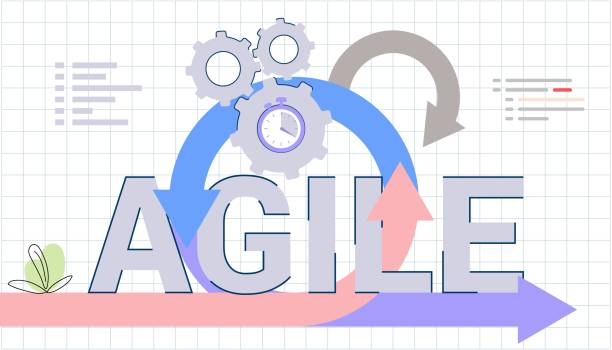
Agile plays a major role in PMP today. Beginners benefit when they understand Agile basics.
Key Agile Topics in PMP
- Iterative planning
- Backlog management
- Stakeholder feedback
- Continuous improvement
These topics align closely with Agile scrum master certification content. Learning Scrum alongside PMP improves exam success and job readiness.
Step-by-Step Guide to PMP Preparation
Beginners succeed when they follow a clear plan.
Step 1: Learn Project Basics
Start with scope, schedule, cost, and risk. Use simple examples like software releases or business upgrades.
Step 2: Understand Agile and Scrum
Learn roles, events, and artifacts. Agile knowledge supports many PMP questions.
Step 3: Practice Scenario Questions
Focus on why one action works better than another. PMP rewards judgment.
Step 4: Join Hands-On Training
Structured agile and scrum training builds confidence. Real project examples make learning easier.
Real-World Example: PMP in Action
Consider a software upgrade project. A PMP-trained manager defines scope and risks early. The Scrum team delivers features in short cycles. The manager reviews progress and removes obstacles. This hybrid approach improves speed and quality.
This example shows how PMP supports Agile delivery without slowing teams down.
Career Paths After PMP Certification
PMP opens many career doors.

Common Roles
- Project Manager
- Program Coordinator
- Scrum Project Manager
- Delivery Manager
Professionals with PMP and Agile project management certification stand out. Employers value leaders who adapt to change.
Salary and Industry Demand
Project management roles continue to grow. Surveys show that certified professionals earn more than non-certified peers. Agile adoption increases demand for leaders who understand both structure and flexibility.
How PMP Supports Agile Scrum Master Roles
Scrum Masters focus on team performance. PMP adds planning and stakeholder skills.
Combined Skill Benefits
- Better communication with leadership
- Stronger risk handling
- Clear project visibility
This combination strengthens profiles in scrum master training and placement programs.
Common Myths About PMP
Myth: PMP is only for traditional projects
Fact: PMP includes Agile and hybrid methods
Myth: Beginners cannot pursue PMP
Fact: Beginners can prepare through structured training and experience
Why Choose Structured Training
Self-study helps, but guided learning improves results.
Training Advantages
- Clear learning path
- Real-world case studies
- Mentor support
- Job-focused skills
Courses aligned with agile software certification standards help learners apply knowledge faster.
Long-Term Value of PMP Certification
PMP is not a one-time benefit. It supports career growth over time. Certified professionals adapt to changing project trends. Agile skills keep PMP relevant in modern workplaces.
Key Takeaways
- PMP builds strong project leadership foundations
- Agile and Scrum now play a central role in PMP
- Beginners benefit from combining PMP with Agile training
- Hands-on learning improves confidence and job readiness
Conclusion: Take the Next Step
Start your project management journey with confidence and practical skills.
Enroll in H2K Infosys training today to gain hands-on experience and build a strong career with industry-ready certifications.