In 2026, both QA Manual Testing and Automation Testing remain strong career paths, but Automation Testing offers faster salary growth, higher demand in enterprise environments, and better long-term scalability. QA roles provide broader system understanding, business collaboration, and stable entry-level opportunities, making them ideal for professionals who prefer functional testing and product validation over coding-focused work.
What Is QA (Manual Testing) in Real-World IT Projects?
Quality Assurance, often called manual testing, focuses on ensuring software meets business, usability, and functional requirements before it reaches end users. QA professionals validate applications from a human perspective, identifying issues that automated tools may miss, such as user experience flaws, workflow gaps, and business logic inconsistencies.
In real-world IT projects, QA testers commonly work with:
- Business analysts to understand functional requirements
- Developers to clarify feature behavior
- Product owners to validate acceptance criteria
- End users during UAT (User Acceptance Testing)
QA plays a critical role in industries like healthcare, finance, and government systems, where regulatory compliance, documentation, and traceability are just as important as technical accuracy.
What Is Automation Testing in Enterprise Environments?
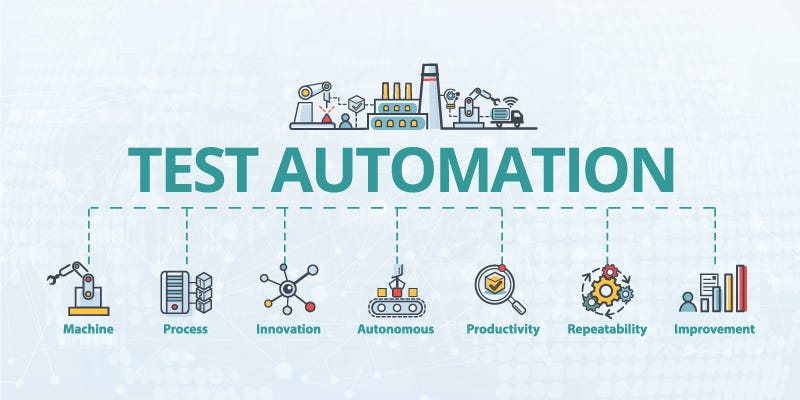
Automation Testing focuses on building scripts and frameworks that automatically test applications at scale. Instead of repeating test cases manually, automation engineers create reusable test suites that validate functionality, performance, and stability across multiple platforms and environments.
In enterprise projects, automation testers often work on:
- CI/CD pipeline integration
- Regression test automation
- Cloud-based test environments
- Performance and load testing
- API and backend validation
Automation roles typically require a blend of testing expertise and programming skills using tools such as Selenium, Playwright, Cypress, TestNG, REST APIs, and cloud testing platforms.
How QA and Automation Roles Differ in Daily Work
Understanding day-to-day responsibilities helps professionals decide which path aligns better with their strengths.
QA (Manual Testing) Daily Responsibilities
- Reviewing business requirements and user stories
- Writing test cases and test plans
- Performing functional, usability, and exploratory testing
- Logging and tracking defects
- Participating in sprint planning and review meetings
- Conducting UAT with stakeholders
Automation Testing Daily Responsibilities
- Designing test automation frameworks
- Writing and maintaining scripts
- Integrating tests into CI/CD pipelines
- Debugging automation failures
- Analyzing test execution reports
- Collaborating with DevOps teams
Skills Comparison for 2026 Job Market
QA Skill Set
- Requirement analysis
- Test case design
- Agile and Scrum methodologies
- Defect lifecycle management
- Business process understanding
- Communication and documentation
Automation Skill Set
- Programming (Java, Python, JavaScript)
- Test automation frameworks
- API testing
- CI/CD tools (Jenkins, GitHub Actions, GitLab)
- Cloud platforms
- Version control systems
Salary and Career Growth Outlook in 2026
QA Career Growth
QA professionals often move into roles such as:
- Senior QA Analyst
- QA Lead
- Test Manager
- Product Owner
- Business Analyst
QA roles offer long-term career stability, especially in regulated industries where manual validation is mandatory.
Automation Career Growth
Automation testers typically advance into:
- Senior Automation Engineer
- SDET (Software Development Engineer in Test)
- DevOps Engineer
- Test Architect
- Engineering Manager
Automation roles generally show faster salary progression due to the technical depth and demand for hybrid testing-development expertise.
Industry Demand Trends in 2026
Across industries, digital transformation continues to drive demand for both QA and automation professionals.
High Demand for QA in:
- Healthcare systems
- Financial services
- Government and public sector IT
- Enterprise ERP platforms
- Compliance-driven applications
High Demand for Automation in:
- SaaS platforms
- E-commerce systems
- Cloud-native applications
- AI-based platforms
- Large-scale mobile and web applications
Learning Curve: Which Is Easier to Enter?
QA Entry Path
QA roles are often more accessible to beginners, career switchers, and non-technical professionals. The learning focus is on understanding software behavior, business workflows, and testing methodologies rather than coding.
Automation Entry Path
Automation testing requires time investment in programming, framework design, and DevOps concepts. While more challenging initially, it offers greater technical leverage and long-term growth potential.
How AI Is Influencing Both Careers in 2026
AI-driven testing tools are transforming both QA and automation roles.
For QA professionals, AI tools help with:
- Test case generation
- Defect prediction
- Smart test coverage analysis
For automation engineers, AI assists in:
- Self-healing test scripts
- Intelligent test execution prioritization
- Predictive failure analysis
Rather than replacing testers, AI is increasing the strategic value of both roles by reducing repetitive work and allowing professionals to focus on higher-level quality engineering.
Which Career Is Better for Different Professional Profiles?
Choose QA If You Prefer:
- Business and product-focused work
- User experience validation
- Stakeholder communication
- Stable long-term roles
- Leadership in quality management
Choose Automation If You Prefer:
- Coding and technical problem-solving
- DevOps and cloud integration
- High-growth technical roles
- Engineering-driven career paths
- System architecture involvement
Real-World Hiring Perspective
Many companies no longer hire strictly for “QA” or “Automation” roles. Instead, they look for hybrid professionals who understand both manual testing principles and automation fundamentals.
Professionals trained in both areas often qualify for:
- SDET roles
- Quality Engineers
- Test Architects
- DevOps Testing Specialists
Career Transition Opportunities
One major advantage of starting in QA is the ability to transition into automation later. Many professionals use manual testing as a foundation to understand application behavior before moving into scripting and framework development.
This dual-skill approach often leads to higher job security and leadership opportunities.
How Structured Training Supports Career Growth
A structured learning path helps professionals gain real-world exposure to testing tools, enterprise workflows, and job-aligned skills. Programs that focus on live projects, industry scenarios, and placement-oriented training tend to prepare learners for practical challenges rather than just theoretical knowledge.
Platforms like H2K Infosys are often referenced in the training ecosystem for offering role-based QA and Automation learning paths that emphasize enterprise tools, real-time project exposure, and career readiness for the 2026 job market.
Long-Term Career Stability Comparison
QA Stability
QA remains essential in industries where regulatory compliance, business validation, and audit documentation are mandatory. These roles are less likely to be fully automated due to their human judgment requirements.
Automation Stability
Automation roles continue to grow alongside cloud adoption, AI systems, and DevOps pipelines. As software delivery speeds increase, the need for scalable test automation becomes more critical.
Decision Framework: How to Choose Your Path
Ask yourself the following:
- Do I enjoy coding and technical problem-solving?
- Do I prefer working with business users and validating workflows?
- Am I interested in DevOps and cloud systems?
- Do I want a leadership or engineering-focused career track?
Your answers often point clearly toward QA or automation as a better fit.
Key Takeaways for 2026
- QA offers strong career stability, business involvement, and leadership potential
- Automation provides faster salary growth, technical depth, and engineering alignment
- Hybrid skills significantly improve job opportunities
- AI enhances both roles rather than replacing them
- Industry demand remains strong across sectors
Final Insight
In 2026, the better career is not strictly QA or Automation Testing it is becoming a Quality Engineer who understands both. Professionals who combine functional testing expertise with automation and DevOps knowledge position themselves for long-term relevance, leadership roles, and global job mobility in an evolving IT landscape.