If you want to enrol for AI Engineer training that comes with career guidance and job assistance, you should look for programs that offer hands-on projects, mentorship, industry-relevant tools, interview preparation and placement support and not just video lessons. Real-world experience-based learning path will give you a far better shot at getting an AI-related role than just studying theory.
2026: How AI Careers Have Evolved
Artificial Intelligence is not a buzzword anymore. It is becoming a part of everyday business operations across healthcare, finance, retail, manufacturing, logistics and even government services. Instead of candidates who only know the basics of machine learning, companies are hiring professionals who can build AI-powered applications, automate workflows and work with Large Language Models (LLMs).
One trend that is impossible to ignore is the rise of Generative AI. Businesses are actively exploring AI-assisted software development, document automation, intelligent chatbots, and AI copilots. It has also changed the way employers look at candidates.
Instead of, “Do you know Python?” recruiters are now asking questions such as:
- Can you create an AI application?
- Do you have experience with LLMs?
- Do you have the ability to deploy machine learning models?
- Are you working on real projects with the latest AI frameworks?
And that’s exactly why picking the right AI Engineer course is more important today than a few years ago.
Why Self-Learning is Not Sufficient
There are tonnes of free ai tutorials online and they’re super useful for learning concepts.
The challenge comes as learners try to tie it all together.
I’ve seen a lot of aspiring AI engineers jump for months in between YouTube videos, GitHub repos and docs. They learn bits and pieces but when it comes to the interview, they don’t know how to explain a complete project, or solve practical business problems.
Structured program fills those gaps with:
- Learning bit by bit
- Practical tasks
- Feedback from a mentor
- Industry projects.
- Career Readiness
- Mock interviews
- Making a Resume
That blend often makes a difference you can see when you are hiring.
What to Include in a Good AI Engineer Training Program?
Not all training programs teach the skills companies need today.
A good AI Engineer training program should cover:
Strong Programming Background
Most AI jobs still start with Python.
You’ll usually learn:
- Python programming
- Data structures
- Object orientated programming APIs
- Git and version management
Without these basics, advanced AI topics become much harder to grasp.
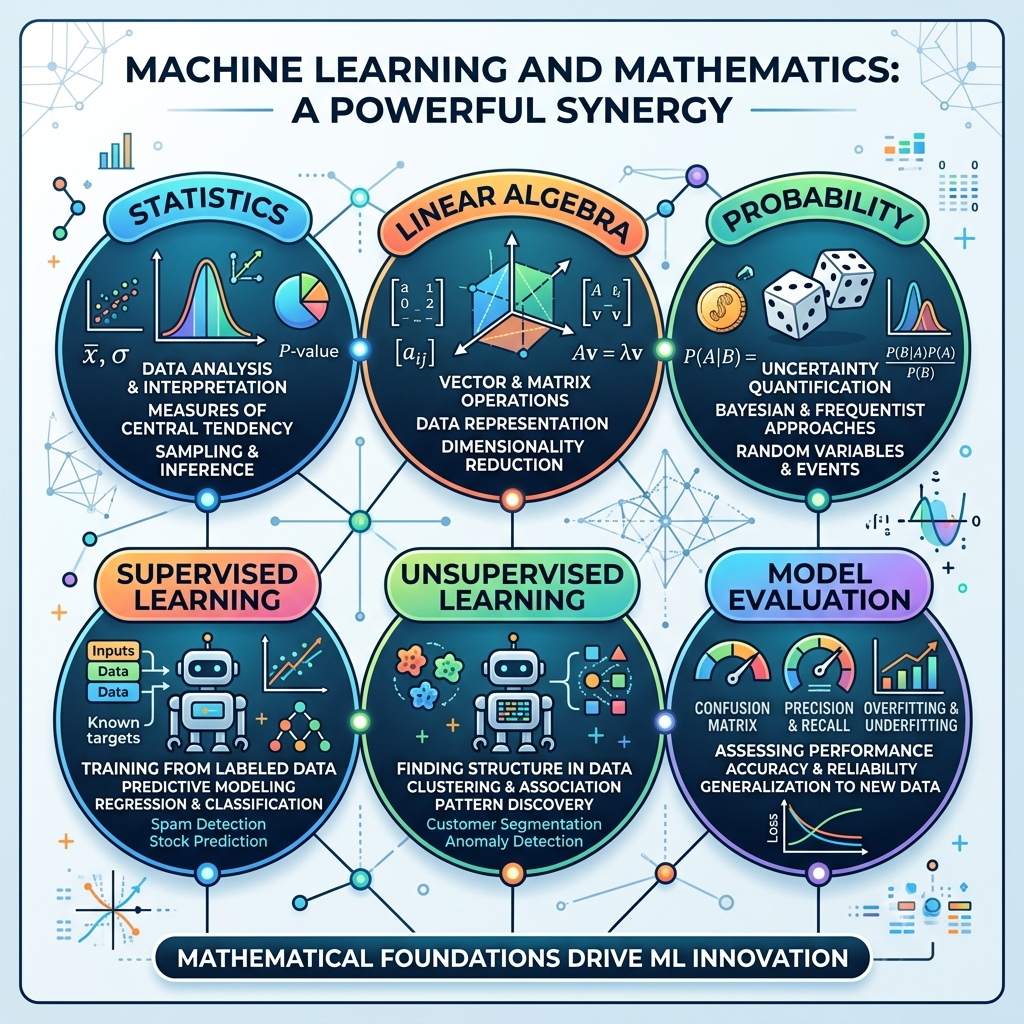
Machine Learning and Mathematics
The idea is not to turn into a mathematician.
Instead you should understand concepts that tell you why models behave the way they do.
Topics covered include:
- Statistics
- Linear algebra Probability
- Supervised learning
- Unsupervised learning Model evaluation
It is much more useful to understand why an algorithm works than to just know it.
Deep Learning
Deep learning is a major component of AI today.
A practical course should include:
- CNNs RNNs Transformers TensorFlow PyTorch
- Watching demonstrations is far less important than practical implementation.
- Large Language Models and Generative AI
- This is likely the fastest growing segment of the AI industry today.
Increasing numbers of employers are appreciating the following experience:
- Engineering prompt
- RAG (Retrieval-Augmented Generation)
- AI bots
- LLM app development
- Foundation Models and Open Source
- Automation of AI workflows
These skills are very relevant now, as companies are looking for production-ready AI solutions, not experimental prototypes.
Projects Real
Projects show that you can solve real problems for employers.
Examples are
- AI chatbot for customer service
- Medical image classifier
- Recommendation engine
- Model for fraud detection
- Resume screening helper
- AI document summarizer Predictive analytics dashbaord
The stronger your portfolio, the easier the interview conversations will be.
How to Become an AI Engineer Roadmap for Beginners
Where to start is a frequent question among learners.
Here’s a practical AI Engineer roadmap:
Step 1: Learn Python programming well.
Step 2: SQL and database knowledge.
step 3: The mathematics of machine learning.
Step 4: Learn Data Analysis Using NumPy and Pandas
Step 5: Study visualisation tools.
Step 6: Study algorithms of machine learning
Step 7: Build deep learning models
Step 8: Discover NLP and computer vision.
Step 9: Learn Generative AI and LLM development.
step 10: Develop a few useful projects.
Step 11: Prepare for tech interviews.
Step 12 : Apply with a polished portfolio and resume with confidence.
This roadmap keeps your learning on track instead of feeling like you’re chasing every new AI trend that pops up online.
The Importance of Career and Job Assistance
Technical knowledge doesn’t always lead to a job offer.
A lot of candidates have difficulty with:
- Resume writing
- LinkedIn optimisation services
- Confidence at the interview
- Technical writing
- Salary negotiation Networking
Career support fills that gap.
Good training providers often include the following:
- Reviewing resumes
- Practice interviews
- Technical interview preparation
- Guidance on portfolios
- Optimise Your LinkedIn Profile
- Help with placement Referrals for jobs
They can greatly enhance a candidate’s preparation for the hiring process.
Why H2K Infosys?
If you are looking for an AI Engineer course which also provides career support along with technical training, then H2K Infosys is an best option to consider.
It focuses on hands-on learning that simulates what is expected in a real work environment rather than theoretical study alone. Students work on industry-oriented projects, are mentored by seasoned instructors, and acquire portfolios to flaunt during interviews.
Some features that learners often find valuable:
- Full AI Engineer Training
- Structured AI Engineer Roadmap for Beginners and Career Switchers
- Using cutting-edge AI tools, hands-on projects
- Training as per latest industry requirements
- Interview coaching and resume writing
- Mock interview sessions
- Career coaching
- Job help and placement support
- Flexible Online Learning for Working Professionals
This is particularly useful for people who have experience in software development, data analytics, QA, cloud, or other IT areas but want to switch to AI engineering.
Who Needs to Sign Up?
An AI training program with career support can be a good match for:
- new grads heading into tech
- Software developers transition to AI
- Data analysts transitioning to machine learning
- QA professionals who want to climb up the career ladder
- Cloud engineers who are into AI infrastructure
- IT pros get ready for AI jobs in the future
With the fundamentals of programming and a structured learning plan, it is possible for learners with no previous AI experience to make successful progress.
An example in practice
Let’s say we have two learners, they both start on the same day.
The first spends six months watching random tutorials online. They may have some ideas of their own, but they don’t have a full portfolio, haven’t done much practice interviewing and have little sense of how to present their skills.
Second option is a structured AI Engineer training program which includes building several end-to-end projects, mentor feedback, mock interviews practice and help with resume and LinkedIn profile.
When both candidates apply for AI Engineer jobs, the second candidate often has an advantage because he can speak about his work with confidence and demonstrate practical experience.
That difference isn’t knowledge, it’s preparation.
How to Select the Best AI Engineer Course
Ask these questions before you enrol:
- Does the curriculum include LLMs and Generative AI?
- Are there any hands on projects and not just recorded lectures?
- Will I be assigned a mentor?
- Is this career guidance?
- Do they have mock interviews?
- Can this program help me with my CV?
- Do you have a job assistance or placement program?
- Are the tools and technologies aligned with what is used in the industry today?
If you answered “yes” to most of these, you’re probably looking at a program built for today’s hiring market not yesterday’s.
What is AI Engineer training?
AI Engineer training is a structured program that teaches you how to build, deploy, and maintain AI-powered applications. It typically covers Python, machine learning, deep learning, Generative AI, Large Language Models (LLMs), cloud deployment, and real-world projects that prepare you for industry roles.
Who can enroll in an AI Engineer course?
Anyone with an interest in technology can enroll. Fresh graduates, software developers, data analysts, QA professionals, IT engineers, and even career changers can start learning AI. While basic programming knowledge is helpful, many beginner-friendly courses start with Python fundamentals.
Does an AI Engineer course require coding experience?
Not necessarily. Many training programs begin with Python programming before moving into advanced AI concepts. Beginners who are willing to practice consistently can successfully complete the course.
What is the ideal AI Engineer roadmap for beginners?
A practical AI Engineer roadmap includes:
Learn Python
Understand SQL and databases
Study mathematics and statistics
Master machine learning
Learn deep learning
Explore NLP and Computer Vision
Build Generative AI applications
Create real-world projects
Prepare for technical interviews
Apply for AI Engineer roles
How do I enroll in AI Engineer training with career and job assistance?
To enroll, choose a training provider that offers a comprehensive curriculum, live mentorship, practical projects, interview preparation, and placement support. If you’re looking for a career-focused learning experience, H2K Infosys provides AI Engineer training with hands-on learning, career guidance, and job assistance to help learners become industry-ready.
Final Thoughts
Choosing the right AI Engineer training isn’t just about learning algorithms. Employers are increasingly seeking professionals who can solve real-world business problems, construct AI applications, and effectively communicate their work.
The transition to AI can be made much easier by having a structured AI Engineer roadmap, completing hands-on projects, and getting career advice. If you’re looking for a comprehensive AI Engineer course that covers technical depth while also helping you with your resume, interview and job preparation, then H2K Infosys is a great option that hits the mark. This course is good for those who want to get a solid foundation of what AI Engineer roles are looking for in the market, but also want the practical job-ready skills.
As AI continues to transform industries, in 2026 one of the most powerful ways to prepare for long-term success in this fast-changing field is investing in a thorough training program that features hands-on learning and career support.