
Selenium WebDriver and Java together form a widely adopted automation stack used to build, maintain, and scale browser-based test automation in enterprise software environments. Selenium WebDriver provides programmatic control over web browsers, while Java offers a mature, strongly typed language ecosystem suited for large test frameworks, CI/CD pipelines, and long-term maintenance. In modern IT teams, this combination is used to reduce regression risk, support continuous delivery, and meet quality expectations across complex web applications.
Why Selenium WebDriver and Java Still Matter in Today’s QA Job Market
Software delivery cycles have shortened, but application complexity has increased. Enterprises now release features weekly or even daily, often across multiple browsers, devices, and environments. Manual testing alone cannot keep pace with this scale.
From a hiring perspective, this has created a consistent expectation:
QA and test engineers must demonstrate automation skills that integrate into real delivery pipelines.
Despite the emergence of newer tools, Selenium WebDriver with Java remains relevant because:
- Many enterprise test frameworks are already built in Java
- Large QA teams prioritize maintainability over experimentation
- Java integrates cleanly with CI/CD, reporting, and test management tools
- Selenium remains vendor-neutral and browser-agnostic
For working professionals, learning Selenium WebDriver and Java through a structured Selenium certification course is less about theory and more about aligning with how testing actually happens in production environments.
What Is Selenium WebDriver and Java?

What is Selenium WebDriver?
Selenium WebDriver is an open-source API that allows automated interaction with web browsers through native browser drivers. It enables testers to simulate real user actions such as:
- Navigating pages
- Clicking elements
- Submitting forms
- Validating UI behavior
Unlike record-and-playback tools, WebDriver requires programming logic, making it suitable for complex, data-driven, and reusable automation frameworks.
What is Java’s role in Selenium automation?
Java is used to write the automation logic that controls Selenium WebDriver. In enterprise environments, Java is preferred because:
- It is widely used in backend systems
- It supports object-oriented test design
- It integrates with build tools and CI servers
- It scales well for large test suites
Together, Selenium WebDriver and Java allow teams to build custom, maintainable automation frameworks rather than brittle scripts.
How Does Selenium WebDriver and Java Work in Real-World IT Projects?
In real enterprise projects, Selenium WebDriver and Java are not used in isolation. They operate within a broader testing and delivery ecosystem.
Typical enterprise automation workflow
- Application under test
Web applications built using frameworks like React, Angular, or Spring MVC - Test framework layer (Java)
- Page Object Model (POM)
- Utility classes
- Test data handlers
- Test execution layer (Selenium WebDriver)
- Browser drivers (ChromeDriver, GeckoDriver)
- Cross-browser execution
- Test orchestration
- TestNG or JUnit
- Maven or Gradle
- CI/CD integration
- Jenkins, GitHub Actions, GitLab CI
- Automated test triggers on code commits
- Reporting and analysis
- Allure, Extent Reports
- Failure trends and defect correlation
This structure reflects how Selenium automation is implemented in production not as standalone scripts, but as part of the delivery pipeline.
Why Is Selenium WebDriver and Java Important for Working Professionals?
From a career perspective, Selenium WebDriver and Java represent baseline automation competency, not niche expertise.
Hiring and interview relevance
In interviews, candidates are often evaluated on:
- Framework design decisions
- Handling dynamic elements and waits
- Debugging flaky tests
- Integrating tests with CI pipelines
These are areas where Java-based Selenium frameworks are commonly used.
Long-term career stability
Unlike short-lived tools, Selenium with Java offers:
- Transferable skills across industries
- Compatibility with enterprise systems
- A foundation for learning advanced testing concepts
For professionals transitioning from manual testing or support roles, this stack provides a clear, structured entry into automation.
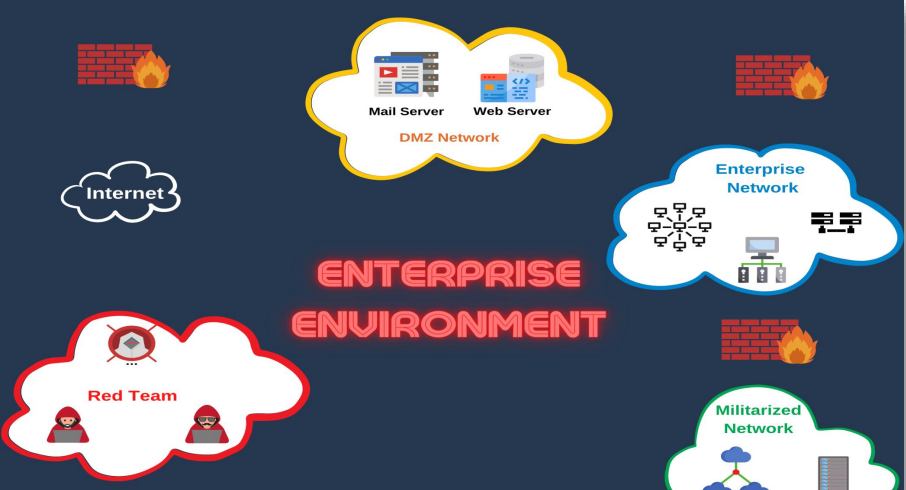
How Is Selenium WebDriver and Java Used in Enterprise Environments?
Common enterprise use cases
- Regression testing for large web applications
- Smoke testing after deployments
- Cross-browser compatibility validation
- Data-driven testing using external sources
- Integration with defect tracking systems
Example: Regression automation scenario
In a banking web application:
- Hundreds of test cases validate login, transactions, reports
- Selenium WebDriver executes tests across Chrome and Firefox
- Java manages test logic, validations, and data handling
- Tests run automatically on every release branch
This approach reduces manual effort while improving coverage and consistency.
What Skills Are Required to Learn Selenium Automation with Java?
Learning Selenium WebDriver and Java requires a combination of programming, testing, and tooling knowledge.
Core technical skills
| Skill Area | Why It Matters |
|---|---|
| Core Java | Writing reusable, maintainable test code |
| OOP concepts | Framework design and scalability |
| Selenium WebDriver | Browser automation logic |
| HTML/CSS basics | Understanding web elements |
| XPath / CSS selectors | Reliable element identification |
Supporting skills
- TestNG or JUnit for test control
- Maven for dependency management
- Git for version control
- Basic SQL for test data validation
From a job-readiness perspective, Java fundamentals are often the biggest differentiator between script-based testers and automation engineers.
What Are the Common Challenges Teams Face with Selenium and Java?
Flaky tests
- Caused by synchronization issues
- Poor wait strategies
- Unstable locators
Enterprise practice:
Use explicit waits, stable locators, and retry logic sparingly.
Maintenance overhead
- UI changes break tests
- Poor framework design increases effort
Enterprise practice:
Page Object Model and abstraction layers.
Execution time
- Large test suites slow pipelines
Enterprise practice:
Parallel execution and test categorization.
Understanding these challenges and how teams mitigate them is often more important than simply knowing Selenium commands.
What Best Practices Are Followed in Production Selenium Frameworks?
Framework design principles
- Separation of test logic and UI locators
- Reusable utility methods
- Centralized configuration management
Test stability practices
- Explicit waits over thread sleep
- Environment-specific configurations
- Clear logging and reporting
Security and compliance considerations
- No hardcoded credentials
- Secure handling of test data
- Limited access to production environments
These practices reflect how Selenium automation operates within real organizational constraints.
What Job Roles Use Selenium WebDriver and Java Daily?
| Job Role | How Selenium and Java Are Used |
|---|---|
| QA Automation Engineer | Building and maintaining test frameworks |
| SDET | Integrating tests into CI/CD pipelines |
| Test Lead | Reviewing automation strategy and coverage |
| DevOps QA | Monitoring automated test results |
| Full-stack QA | Validating UI and API workflows |
In many organizations, these roles overlap, but Selenium automation remains a core expectation.
What Careers Are Possible After Learning Selenium Automation?
Entry to mid-level roles
- Manual Tester → Automation Tester
- QA Analyst → QA Automation Engineer
Advanced roles
- Senior Automation Engineer
- SDET
- QA Architect
With experience, professionals often expand into:
- API automation
- Performance testing
- Cloud-based test execution
Selenium WebDriver and Java frequently serve as the starting point for these paths.
How Should Working Professionals Learn Selenium WebDriver and Java?

Recommended learning progression
| Stage | Focus |
|---|---|
| Foundation | Core Java, OOP concepts |
| Automation basics | Selenium WebDriver fundamentals |
| Framework design | POM, utilities, test structure |
| Integration | CI/CD, reporting |
| Real projects | Enterprise-style test scenarios |
From a hiring standpoint, project-based learning aligned with real workflows matters more than tool familiarity alone.
FAQ: Selenium WebDriver and Java
Is Selenium WebDriver and Java still relevant in 2026?
Yes. Many enterprises continue to maintain and expand Java-based Selenium frameworks due to stability, ecosystem support, and integration capabilities.
Can beginners learn Selenium automation with Java?
Yes, provided they start with Java fundamentals and gradually move into automation concepts.
Is Selenium used only for UI testing?
Primarily yes, but it is often combined with API and database testing in integrated frameworks.
Do companies still ask Selenium questions in interviews?
Yes. Selenium and Java remain common interview topics for QA automation roles.
How long does it take to become job-ready?
This varies, but structured learning with real projects typically takes several months for working professionals.
Key Takeaways
- Selenium WebDriver and Java remain foundational skills in enterprise QA automation
- Real-world usage focuses on frameworks, CI/CD integration, and maintainability
- Java enables scalable, maintainable automation suited for large teams
- Employers value practical framework experience over isolated scripting knowledge
- These skills directly impact job roles, interview readiness, and career progression
To build practical, job-aligned Selenium automation expertise, explore structured, hands-on learning paths supported by H2K Infosys.
A focused Selenium course online helps working professionals translate automation skills into real enterprise impact and career growth.