


In the fast-paced world of software development, delivering flawless applications has become more important than ever. As organizations evolve toward rapid releases, continuous integration, and agile workflows, traditional testing techniques alone are not enough to keep up. This is where Active Testing steps in, a powerful, proactive, and intelligent testing approach that aligns perfectly with today’s QA needs.
It is not just a buzzword; it represents a mindset shift. It encourages testers to anticipate issues, verify functionality continuously, and interactively explore systems long before defects can escape into production. Whether you are pursuing a Quality assurance tester course or signing up for a software testing course, understanding Active Testing is essential to becoming a high-impact QA professional.
What it is, why it matters, how it works, and the best practices you can apply right away.
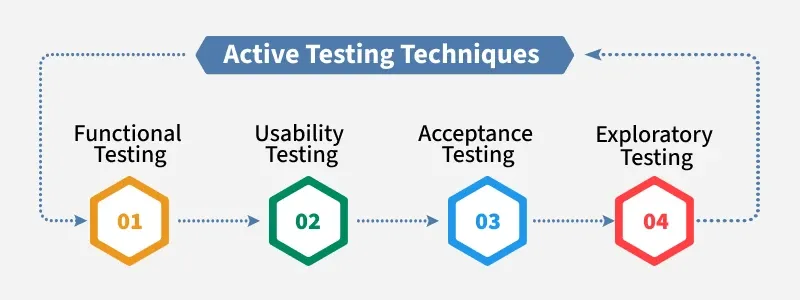
What Is Active Testing?
It is a hands-on testing method where testers continuously interact with the system, monitor behavior, and evaluate outcomes in real time. Unlike passive testing, where testers rely only on predefined scripts or documentation, Active Testing allows QA engineers to actively explore the application, find unexpected issues, and validate complex scenarios that automated scripts may miss.
In simple words:
✔ Active Testing = Hands-on, real-time exploratory, interactive evaluation
✔ Passive Testing = Script-based, documentation-driven, predictable evaluation
Active Testing bridges structured testing and exploratory testing, making it a dynamic and adaptive way to ensure quality.
Why Active Testing Matters Today
Modern applications are more complex than ever. They involve microservices, APIs, cloud deployments, integrations, dynamic user interfaces, and user-driven interactions. Because of this complexity, issues may arise in unexpected places.
Active Testing helps by:
1. Identifying Real-World Defects Early
By simulating real user behavior, testers uncover hidden bugs and unexpected behavior that automated scripts fail to detect.
2. Reducing Risk Significantly
Since Active Testing is continuous, testers can detect anomalies early, lowering the risk of production failures.
3. Supporting Agile and CI/CD Environments
Active Testing aligns perfectly with rapid build cycles and continuous feedback, helping teams deliver quality faster.
4. Improving Software Quality Holistically
Testers focus on functionality, performance, usability, compatibility, and error handling, improving overall quality.
5. Enhancing Tester Skills
A solid Quality assurance tester course emphasizes Active Testing because it helps testers build analytical and problem-solving abilities.
How Active Testing Differs from Traditional Testing
| Feature | Traditional Testing | Active Testing |
|---|---|---|
| Approach | Scripted and structured | Adaptive and real-time |
| Focus | Expected behavior | Actual behavior and edge cases |
| Tester Input | Limited | High |
| Usefulness | Routine testing | Complex scenarios |
| Defect Detection | Predictable bugs | Hidden and critical bugs |
Active Testing complements traditional testing and leads to a stronger, more resilient QA process.
Key Components
Understanding the core elements helps testers apply Active Testing more effectively.
1. Real-Time Monitoring
Testers check how the system behaves during interactions, helping them catch performance drops, UI lags, and inconsistent logic.
2. Exploratory Test Design
Testers design test scenarios dynamically based on what they observe in the application.
3. Adaptive Test Execution
Active Testing does not follow rigid steps. Testers modify test paths when they notice something unusual.
4. Context-Driven Evaluation
Testers evaluate how well a feature works under different conditions rather than only checking if it works.
5. Continuous Feedback
Testers communicate actively with developers, helping teams fix issues faster and improve quality continuously.
Benefits
Offers several advantages that make it ideal for modern QA teams.
1. Higher Defect Discovery Rate
Exploratory interactions uncover hidden and critical defects that scripted testing often misses.
2. Better User Experience
Issues related to usability, responsiveness, and accessibility are easier to discover through active exploration.
3. Greater Flexibility
Active Testing adjusts itself to changing application behavior, making it suitable for evolving systems.
4. Reduced Time to Market
Early defect detection accelerates fixes and reduces the overall release timeline.
5. Encourages Critical Thinking
Most software testing courses teach Active Testing because it strengthens testers’ analytical mindset.
6. Works Across All Testing Types
Active Testing supports:
- Functional checks
- API validation
- UI evaluation
- Regression observation
- Integration flows
- Performance anomalies
- Security behavior checks
Its wide applicability is one of its biggest strengths.
Active Testing Techniques
Below are the most widely used techniques in Active Testing.
1. Exploratory Testing
Testers explore the application without predefined steps and rely on intuition, experience, and curiosity.
2. Ad-Hoc Testing
A spontaneous and flexible style where testers quickly verify functionality without planning.
3. Session-Based Testing
Testing sessions are time-boxed and focused on specific application areas.
4. Error Guessing
Testers predict where defects may exist based on past experience and application complexity.
5. Scenario-Based Testing
Real-world scenarios are simulated to check how the application behaves in practical usage.
6. Boundary Testing
Extremes of input ranges are tested to check reliability and error handling.
7. Negative Testing
Testers intentionally use invalid data and unexpected actions to find system weaknesses.
Where Active Testing Fits in the SDLC
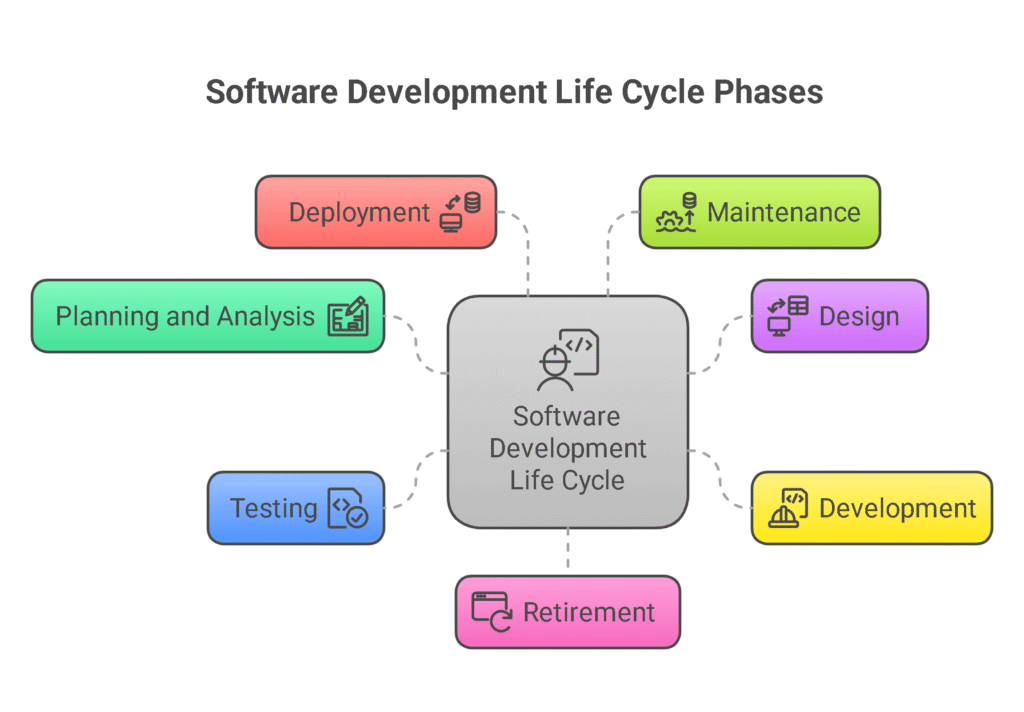
It can be applied throughout the software development lifecycle.
1. Requirement Analysis
Testers check if requirements are clear, complete, and testable.
2. Design Phase
Architecture and design documents are reviewed to identify potential risk areas.
3. Development Stage
QA performs quick exploratory checks on early builds.
4. Testing Phase
Active Testing complements scripted test cases and increases defect discovery.
5. Deployment
Testers verify builds in staging or pre-production environments.
6. Maintenance
Bug fixes, patches, and updates are validated using real-time exploratory checks.
Real-World Examples
1. E-Commerce Checkout
Testers explore adding items, removing products, updating addresses, and applying coupon codes to identify:
- Incorrect pricing
- Delays in UI
- Cart mismatches
2. Banking App Login
Active Testing helps evaluate:
- Incorrect password handling
- OTP failures
- Network-related login issues
- Session timeout behavior
3. Healthcare Portal
Exploratory checks help identify:
- Data validation issues
- UI inconsistencies
- Cross-browser failures
- Real-time update errors
Such critical applications cannot afford defects, making Active Testing essential.
Tools
Though largely manual, Active Testing is supported by tools such as:
- JIRA or Azure DevOps for defect tracking
- Postman for API exploration
- Browser developer tools for debugging
- Charles Proxy or Fiddler for network analysis
- JMeter for performance anomalies
- Log analyzers for failure investigation
A professional software testing course trains learners to use these tools effectively.
Best Practices
1. Understand the Application Thoroughly
Knowing core features and architecture makes exploration more targeted.
2. Combine Active and Scripted Testing
Active Testing enhances coverage but should not replace formal testing.
3. Document Observations Clearly
Every behavior, anomaly, and idea must be recorded properly.
4. Stay Curious
Continuously ask questions like:
- What if I try a different sequence
- Why does the system behave this way
- What happens if I use invalid data
5. Collaborate with Developers
Frequent communication improves test efficiency and bug resolution.
6. Think Like an End User
Evaluate the application from a customer’s perspective.
7. Use Time-Boxed Sessions
Session-based testing helps testers stay organized and productive.
8. Practice Consistently
Joining a Quality assurance tester course helps learners practice hands-on techniques guided by experts.
Is Active Testing Suitable for Beginners
Absolutely. Beginners learn testing faster while performing real interactions. Active Testing gives them a feel for:
- UI flows
- Common defects
- Functional usability
- Realistic scenario-based behavior
A beginner-friendly software testing course helps new testers build foundational skills that make Active Testing more effective.
Conclusion
It is one of the most important techniques in modern software quality assurance. It gives testers the ability to think critically, explore deeply, and identify real-world issues that structured test cases may miss. As organizations demand higher quality and faster delivery, It is becoming a key skill for every QA professional.
Whether you are upskilling, preparing for interviews, or practicing hands-on test scenarios, learning Active Testing will significantly improve your testing capabilities. If you are enrolled in a Quality assurance tester course or exploring a Software testing course, mastering Active Testing will give you an edge in the competitive QA job market.
























10 Responses
Active testing is testing technique in which tester tests the software as an end user. The Active testing process involves Test data generation, Test case generation, Test case execution, Analysis of Test results.
Active testing is a software testing where the tester interacts with the software as an end user of the program.
Active testing technique where the user introduces test data and analyses the result.
The objectives of Active testing are:
1. To verify the quality of the software
2. To validate the quality of the software.
3. To match the software for user’s requirements.
4. To make the software standard
5. To check the behavior of software while used by user.
6. To detect the issues and defects in the software which can affect functioning of the software.
active testing process is test data generation, test case generation, test case execution,
and analysis of results.
Active testing is performed by the users where they introduced the test cases and analyzed the outcomes. It is done to verify and validate the software and find the defects that can effect the functionality of the software.
Active Testing
Active testing is a testing technique where the user introduces test data and analyses the result. While active testing, the tester builds a mental model of the software under test.
During the performance of active testing, tester constructs a virtual model of the software under the test which continues to grow and also refines as the interaction with the software continues.
The objectives of Active testing are:
1. To verify the quality of the software
2. To validate the quality of the software.
3. To match the software for users requirements.
4. To make the software standard
5. To check the behaviour of software while used by user.
6. To detect the issues and defects in the software which can affect functioning of the software.
The Active testing process following bellow steps:
1. Test data generation
2. Test case generation
3. Test case execution
4. Analysis of result
When we do the active testing we need
1. Client’s requirements
2. User’s experience
3. Real time exploration
4. Usability Testing
5. Understanding business trends
Active testing:
Active testing is the types of testing where tester tests the application assuming as the end user. Tester creates a virtual model which going through the testing process as follows:
• Test data generation
• Test case generation
• Test case execution
• Analysis of results
Active Testing is a type of software testing in which a tester interacts with a software as an end user. Active testing technique where the user introduces test data and analyses the result. Active testing is performed after the software is made available as a product.
The objectives of Active testing are:
1. To verify the quality of the software
2. To validate the quality of the software.
3. To match the software for users requirements.
Steps for Active testing:
1 test data generation 2 test case generation 3 test case execution 4 result analysis
Active testing is a software testing technique in which the tester interact with a software as an end user. The tester assumes he as an end user and gives different combinations of input in order to validate the actual behavior of the software.
Active Testing
Active testing is a testing technique where the user introduces test data and analyses the result. While active testing, the tester builds a mental model of the software under test.
During the performance of active testing, tester constructs a virtual model of the software under the test which continues to grow and also refines as the interaction with the software continues.
The objectives of Active testing are:
1. To verify the quality of the software
2. To validate the quality of the software.
3. To match the software for users requirements.
4. To make the software standard
5. To check the behaviour of software while used by user.
6. To detect the issues and defects in the software which can affect functioning of the software.
The Active testing process following bellow steps:
1. Test data generation
2. Test case generation
3. Test case execution
4. Analysis of result
When we do the active testing we need
1. Client’s requirements
2. User’s experience
3. Real time exploration
4. Usability Testing
5. Understanding business trends
Active testing is a sort of testing technique where the user introduces test data and analyses the result. While active testing, the tester builds a mental model of the software under test which continues and grows and refines as our interaction with the software continues.