Introduction
Artificial Intelligence is no longer optional in marketing. It is now a core driver of how brands attract, engage, and retain customers. From search engines to social media ads, AI systems guide decisions at every stage. The Future of Digital Marketing depends on how well professionals understand and apply AI tools. Businesses now expect faster insights, accurate targeting, and measurable results. AI makes this possible at scale.
In the Future of Digital Marketing, manual guesswork fades away. Data-driven intelligence replaces intuition. Marketing teams use algorithms to predict behavior, personalize content, and optimize campaigns in real time. This shift creates strong demand for professionals trained in Artificial intelligence and machine learning.
What Is Artificial Intelligence in Digital Marketing?
Artificial Intelligence in digital marketing refers to systems that analyze data, learn from patterns, and take actions with minimal human input. These systems use Machine learning, natural language processing, and predictive models.
AI helps marketers answer simple but critical questions:
- Who is the customer?
- What content works best?
- When should messages be delivered?
- Which channel drives conversions?
In the Future of Digital Marketing, these questions receive answers in seconds instead of weeks.
Why Artificial Intelligence Matters in the Future of Digital Marketing
The digital landscape grows every day. Users generate massive volumes of data across websites, apps, and social platforms. Human teams cannot analyze this scale alone. AI systems process millions of data points quickly and accurately.
Key reasons AI drives the Future of Digital Marketing include:
- Faster decision-making
- Better customer targeting
- Higher return on marketing spend
- Continuous optimization without manual effort
Industry studies show AI-driven campaigns often deliver higher click-through rates and improved conversion performance compared to traditional methods.
Core AI Technologies Powering Digital Marketing
Machine Learning
Machine learning allows systems to improve performance through data exposure. In marketing, it helps predict customer behavior and campaign outcomes. This capability defines the Future of Digital Marketing by replacing static rules with adaptive models.
Natural Language Processing (NLP)
NLP enables machines to understand and generate human language. Chatbots, voice search, and sentiment analysis depend on NLP. These tools shape customer interactions in the Future of Digital Marketing.
Computer Vision
Computer vision analyzes images and videos. Platforms use it to detect brand logos, product usage, and visual trends. Visual intelligence now supports content strategy in the Future of Digital Marketing.
How AI Is Transforming Customer Data Analysis
Traditional analytics focuses on past performance. AI-driven analytics focuses on patterns and predictions. This shift defines the Future of Digital Marketing.
AI systems can:
- Segment audiences automatically
- Identify high-value customers
- Detect churn risks early
- Forecast campaign performance
These insights help marketers act before problems occur.
Personalization at Scale Using AI
Personalization once meant adding a first name to an email. Today, it means delivering the right message to the right person at the right time. AI enables this level of precision.
Examples include:
- Product recommendations based on browsing history
- Dynamic website content by user behavior
- Personalized email subject lines
This capability directly supports the Future of Digital Marketing by increasing relevance and engagement.
AI in Search Engine Optimization and Content Strategy
Search engines already rely on AI algorithms. Marketers must align with this reality. In the Future of Digital Marketing, AI guides content planning and optimization.
AI tools help with:
- Keyword intent analysis
- Content gap identification
- Topic clustering
- Performance prediction
These systems reduce guesswork and improve ranking outcomes.
AI-Powered Paid Advertising and Media Buying
Paid advertising platforms now use AI for bidding, targeting, and creative testing. Marketers define goals. AI handles execution.
Benefits include:
- Automated bid optimization
- Audience expansion modeling
- Real-time budget allocation
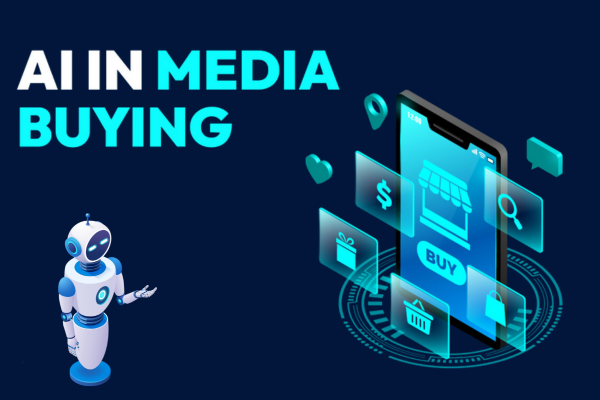
This automation strengthens the Future of Digital Marketing by improving efficiency and reducing wasted spend.
Predictive Analytics and Campaign Forecasting
Predictive analytics estimates future outcomes based on historical data. In marketing, it forecasts leads, conversions, and revenue.
Use cases include:
- Predicting customer lifetime value
- Estimating campaign ROI
- Planning seasonal promotions
Predictive intelligence anchors decision-making in the Future of Digital Marketing.
AI Chatbots and Conversational Marketing
Chatbots now handle customer queries, bookings, and support. They operate 24/7 and scale without added cost.
Key advantages:
- Faster response times
- Consistent messaging
- Improved lead qualification
Conversational AI defines customer engagement in the Future of Digital Marketing.
Social Media Marketing with AI
Social platforms use AI to rank content and serve ads. Marketers use AI to keep up.
AI assists with:
- Optimal posting times
- Content performance prediction
- Sentiment analysis
- Influencer identification
These capabilities reshape social strategy in the Future of Digital Marketing.
Email Marketing Automation Through AI
Email remains one of the highest ROI channels. AI improves its performance.
AI-driven email systems:
- Optimize send times
- Personalize content blocks
- Predict open and click behavior
This automation ensures email remains relevant in the Future of Digital Marketing.
AI and Marketing Attribution Models
Attribution explains which channels drive conversions. Traditional models struggle with multi-touch journeys. AI-based attribution solves this issue.
Benefits include:
- Accurate credit allocation
- Better budget decisions
- Clear performance insights
Attribution intelligence supports smarter planning in the Future of Digital Marketing.
Ethical Use of AI in Digital Marketing
AI systems rely on data. Ethical practices ensure trust and compliance.
Marketers must focus on:
- Data privacy
- Bias reduction
- Transparent algorithms
Responsible AI use protects brand reputation in the Future of Digital Marketing.
Skills Required to Succeed in AI-Driven Marketing
The Future of Digital Marketing demands new skills. Professionals must combine marketing knowledge with technical understanding.
Key skills include:
- Data interpretation
- Basic machine learning concepts
- Marketing automation tools
- Analytics platforms
- AI-driven campaign management
This skill mix increases career value across industries.
How AI and Machine Learning Courses Prepare Marketers
Structured learning bridges the skill gap. Artificial intelligence and machine learning courses focus on real-world applications.
Learners gain:
- Hands-on experience with AI tools
- Understanding of marketing data pipelines
- Practical automation workflows
- Campaign optimization strategies
These outcomes align directly with the Future of Digital Marketing.
Beginner-Friendly Path to AI in Digital Marketing
An artificial intelligence course for beginners starts with foundations. Learners progress step by step.
A typical path includes:
- Introduction to AI and machine learning
- Marketing data fundamentals
- Predictive analytics basics
- Automation and personalization tools
- Real-world marketing projects
This structured approach supports long-term success in the Future of Digital Marketing.
Career Opportunities in AI-Driven Digital Marketing
AI adoption creates new roles and upgrades existing ones.
Common roles include:
- AI marketing analyst
- Digital marketing automation specialist
- Growth marketing analyst
- Marketing data strategist
These roles grow rapidly as the Future of Digital Marketing evolves.
Industry Evidence Supporting AI Adoption
Research consistently shows strong AI impact:
- AI-driven personalization increases engagement rates
- Predictive analytics improves conversion forecasting
- Automated bidding reduces ad costs
These results confirm AI as a foundation of the Future of Digital Marketing.
Challenges in AI Adoption and How to Overcome Them
AI adoption presents challenges:
- Data quality issues
- Skill shortages
- Tool integration complexity
Training and hands-on practice address these barriers and prepare teams for the Future of Digital Marketing.
Why Certification Matters in AI Marketing
Employers value verified skills. Artificial intelligence certification online validates knowledge and practical ability.
Certification helps professionals:
- Demonstrate expertise
- Compete for advanced roles
- Transition into AI-focused positions
Credentials support long-term growth in the Future of Digital Marketing.
Key Takeaways
- AI reshapes every stage of digital marketing
- Data-driven intelligence replaces manual decision-making
- Personalization, automation, and prediction drive results
- Skills and certification are critical for career growth
- The Future of Digital Marketing belongs to AI-ready professionals
Conclusion
The Future of Digital Marketing depends on how effectively professionals apply artificial intelligence and machine learning.
Enroll in H2KInfosys AI and Machine learning courses to gain hands-on skills and stay competitive in the evolving digital marketing landscape.