Introduction: A Simple Question With a Career-Changing Answer
Every beginner in programming faces one big question: Java and Python, which one should I learn first? This decision shapes how fast you learn coding, how confident you feel, and how quickly you move into real jobs. Java and Python dominate software development, data analytics, automation, and cloud roles. Both offer strong career value, but they differ in learning style, syntax, and beginner experience.
This blog explains Java and Python in a clear and practical way. You will see real examples, industry data, and hands-on insights. You will also understand why a Python online course certification often gives beginners a smoother and faster start.
Why Beginners Compare Java and Python So Often
The reason beginners compare Java and Python is simple. Both languages are widely used and trusted by companies. Yet their learning paths feel very different.
Key reasons this comparison matters:
- Beginners want quick results
- Employers want practical skills
- Learners want job-ready knowledge
- Career switchers need faster confidence
Understanding Java and Python early helps you avoid frustration and wasted time.
What Is Java? A Clear Beginner Overview
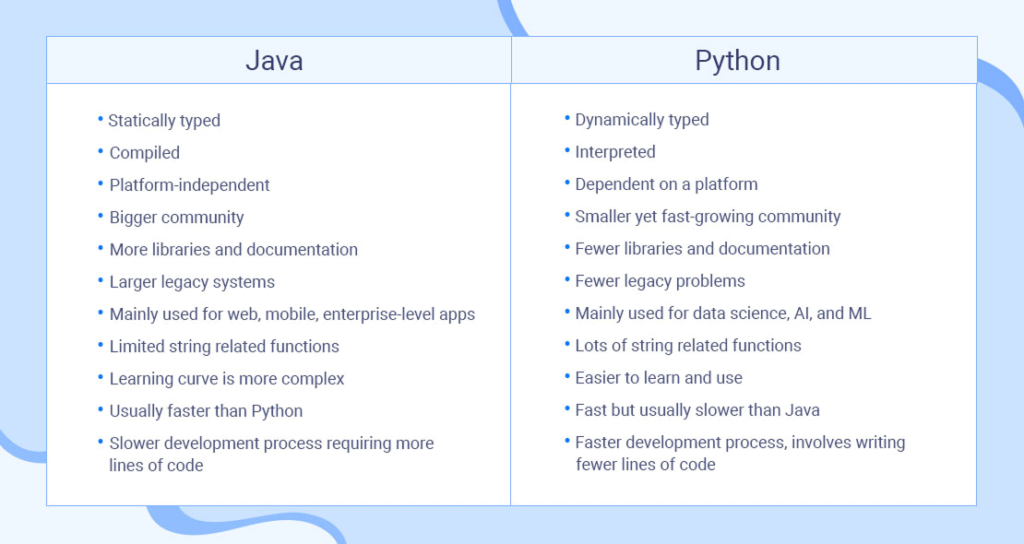
Java is a statically typed, object-oriented programming language. Companies use Java for enterprise systems, banking software, Android apps, and backend services.
Key Features of Java
- Strong type checking
- Strict structure and syntax
- Platform independence using JVM
- Long-term stability in enterprises
Java works well for large systems. Many banks and global companies rely on Java every day. When comparing Java and Python, Java feels more formal and structured.
What Is Python? A Beginner-Friendly Overview
Python is a high-level, interpreted programming language. Developers use Python for automation, data science, AI, web apps, and testing.
Key Features of Python
- Simple and readable syntax
- Fewer lines of code
- Fast learning curve
- Huge library ecosystem
When beginners explore Java and Python, Python often feels easier and more natural to read and write.
Java and Python Syntax Comparison (Hands-On View)
Understanding syntax helps beginners see why Java and Python feel different.
Java Example
public class HelloWorld {
    public static void main(String[] args) {
        System.out.println("Hello, World");
    }
}
Python Example
print("Hello, World")Python removes extra structure. This simplicity explains why Java and Python beginners often choose Python first.
Learning Curve: Java and Python for Absolute Beginners
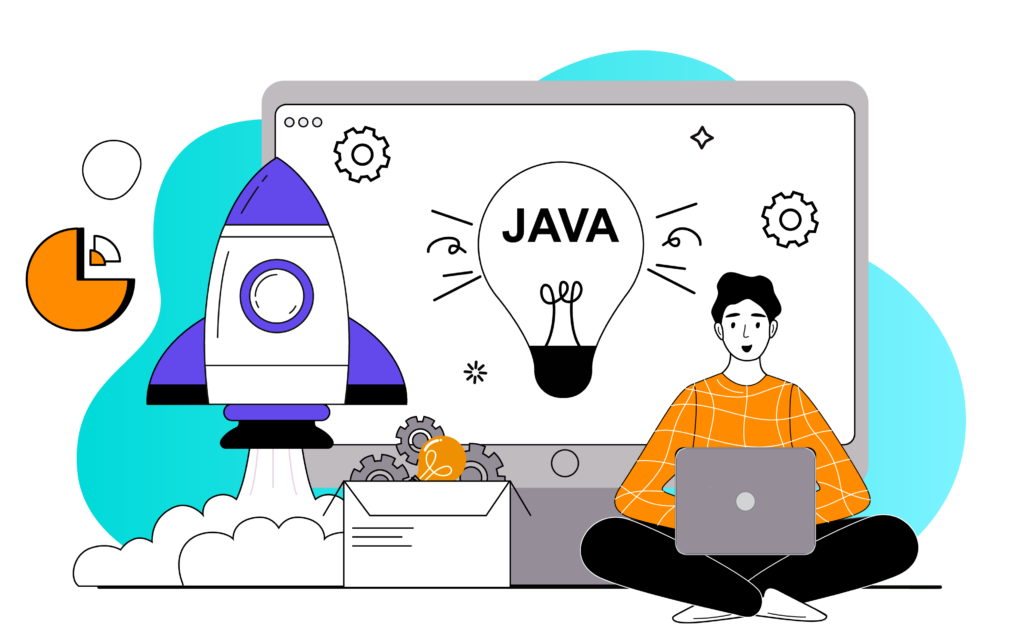
The learning curve is the biggest factor when choosing Java and Python.
Java Learning Curve
- Requires understanding classes early
- Needs strict syntax rules
- Takes longer to see results
Python Learning Curve
- Reads like plain English
- Allows quick experimentation
- Builds confidence fast
Studies from developer surveys show beginners complete Python basics nearly 30–40% faster than Java basics. This data strongly supports starting with Python when comparing Java and Python.
Industry Demand: Java and Python in the Job Market
Both Java and Python have strong demand, but the types of jobs differ.
Java Job Demand
- Enterprise software
- Banking systems
- Large backend platforms
Python Job Demand
- Data analytics
- AI and machine learning
- Automation and DevOps
- QA and testing
Linked job data consistently shows Python roles growing faster than Java roles. This growth makes Python a strategic first step when learning Java and Python.
Why Python Is Better to Learn First for Most Beginners
For beginners comparing Java and Python, Python wins for several reasons.
1. Faster Results
Python lets learners build useful programs in days, not weeks.
2. Better for Career Switching
Python supports many fields like testing, data analysis, and automation.
3. Strong Community Support
Python has massive documentation and beginner-friendly help.
4. Smooth Entry Into Advanced Fields
AI, ML, and analytics rely heavily on Python.
These points explain why a python certification course often becomes the first step for new learners exploring Java and Python.
Real-World Use Cases: Java and Python in Action
Seeing Java and Python in real use helps beginners decide.
Python Use Cases
- Automating reports
- Data cleaning
- Test automation
- Web development with Flask or Django
Java Use Cases
- Payment processing systems
- Android development
- Enterprise web services
Python supports faster hands-on learning. This practical edge matters when choosing between Java & Python.
Step-by-Step: How Beginners Should Start With Python
If you choose Python while comparing Java & Python, follow this path.
Step 1: Learn Core Syntax
- Variables
- Data types
- Loops
- Functions
Step 2: Practice Small Projects
- Calculator
- File automation
- Simple data analysis
Step 3: Understand Libraries
- NumPy
- Pandas
- Requests
Step 4: Enroll in a Python Certification Course
A structured python certification course gives guided labs and real projects.
This approach prepares learners to later learn Java with confidence after mastering Python.
When Does Java Make Sense to Learn First?
Although Python suits most beginners, Java can be first in some cases.
Java fits first if:
- You target Android development
- You aim for enterprise backend roles
- You already know programming basics
Even then, many professionals still recommend learning Python before Java when comparing Java & Python.
Java and Python Together: A Smart Long-Term Strategy
Learning Java & Python together over time builds strong versatility.
Suggested order:
- Start with Python
- Build problem-solving skills
- Move to Java for structure
- Combine both for backend and automation roles
This strategy reduces frustration and increases long-term success with Java & Python.
How Python Certification Accelerates Learning
A python certification course provides structure that self-study often lacks.
Benefits include:
- Live instructor guidance
- Hands-on labs
- Real-world projects
- Interview preparation
Learners who complete a python online course certification show higher confidence in coding interviews. Employers value proof of skills, especially from the best online course for learning python.
SEO Insight: Why Python Skills Rank Higher Today
Search and hiring trends show Python skills growing faster than Java skills. Companies need automation, analytics, and AI solutions. Python fits all these needs.
This trend explains why the best python course often focuses on Python-first learning before Java.
Common Beginner Mistakes When Choosing Java & Python
Avoid these errors when deciding between Java and Python:
- Choosing based on hype only
- Ignoring learning curve
- Skipping hands-on practice
- Avoiding structured courses
A guided python certification course helps avoid these mistakes while learning Java and Python wisely.
Key Takeaways: Java and Python Made Simple
- Java and Python both offer strong careers
- Python is easier for beginners
- Python delivers faster confidence
- Java adds structure later
- Certification improves job readiness
Understanding Java & Python clearly helps beginners make smarter learning decisions.
Conclusion:
Start with Python to build confidence, skills, and job-ready knowledge, then expand into Java when ready.
Enroll in H2KInfosys today to gain hands-on experience through a structured python certification course and advance your career faster.