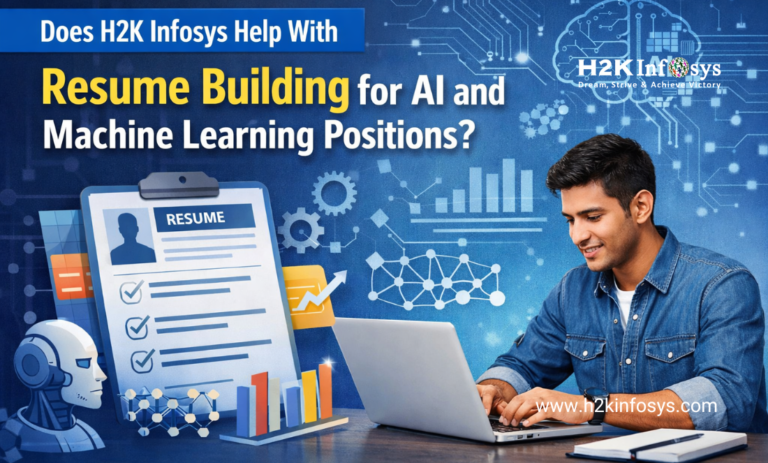
Yes, H2K Infosys provides structured resume building support as part of its AI Training Programs, focusing on aligning technical skills, project experience, and industry-relevant terminology with the expectations of employers hiring for artificial intelligence and machine learning roles. This support typically emphasizes practical project documentation, role-based skill mapping, and formatting standards used in professional IT recruitment processes.
What Is Resume Building Support in AI Training Programs?
Resume building in the context of an Artificial intelligence Training Program is not limited to formatting or template design. It is a structured process that helps learners translate technical learning outcomes into job-ready professional documentation that hiring managers and applicant tracking systems (ATS) can interpret clearly.
In technical fields like AI and machine learning, resumes must communicate:
- Technical depth without unnecessary complexity
- Real-world project relevance, not just certifications or course completion
- Tool proficiency aligned with enterprise environments
- Measurable outcomes from applied work
Core Components of AI-Focused Resume Development
A typical AI resume development framework includes:
- Technical Skills Section Design
Organizing programming languages, libraries, platforms, and frameworks by relevance and proficiency level. - Project-Based Experience Representation
Converting lab work and applied projects into professional experience-style descriptions. - Role Alignment Mapping
Matching resume language to job roles such as AI Engineer, Machine Learning Engineer, Data Scientist, or AI Analyst. - ATS Compatibility Review
Ensuring resumes can be parsed correctly by automated screening systems.
How Does Artificial Intelligence Work in Real-World IT Projects?
Understanding how AI is applied in production environments is essential for writing resumes that reflect actual enterprise experience.
Common Enterprise AI Workflow
Below is a standard workflow used in business and IT environments:
| Stage | Description | Resume-Relevant Skills |
|---|---|---|
| Data Ingestion | Collecting data from APIs, databases, or logs | SQL, REST APIs, ETL tools |
| Data Preparation | Cleaning, transforming, and validating datasets | Python, Pandas, data pipelines |
| Model Development | Training machine learning models | Scikit-learn, TensorFlow, PyTorch |
| Model Evaluation | Testing performance and accuracy | Metrics, validation techniques |
| Deployment | Integrating models into applications | Docker, cloud platforms |
| Monitoring | Tracking performance over time | Logging, monitoring tools |
When learners document projects using this workflow, resumes reflect how AI skills are used in real professional environments rather than in isolated labs.
Why Is Resume Support Important for Working Professionals Transitioning to AI?
For professionals moving from QA, software development, IT support, or business analysis into AI roles, the resume is often the main barrier.
Common Challenges
- Experience described in non-AI terminology
- Overemphasis on course completion instead of applied work
- Lack of role-specific keywords for ATS screening
- Projects written as academic exercises instead of business solutions
Resume guidance helps translate prior IT experience into AI-relevant contributions, such as:
- Automation logic
- Data-driven decision workflows
- Performance optimization
- System integration responsibilities
What Skills Are Required to Learn AI in a Structured Training Program?
AI resumes are evaluated by both recruiters and technical managers. Skills must be grouped and presented clearly.
Technical Skill Categories
| Category | Examples |
|---|---|
| Programming | Python, basic scripting, version control |
| Data Handling | SQL, Pandas, NumPy |
| Machine Learning | Regression, classification, clustering |
| Deep Learning | Neural networks, model tuning |
| Deployment | Containers, cloud platforms |
| Governance | Model validation, data security concepts |
Professional Skills That Employers Look For
- Technical documentation
- Cross-team collaboration
- Problem decomposition
- Model explainability
- Compliance awareness
Resume development typically integrates both technical and professional skill areas into structured sections.
How Is AI Used in Enterprise Environments?
Enterprise AI systems are often part of larger IT ecosystems rather than standalone models.
Common Use Cases
- Predictive analytics in finance and operations
- Recommendation systems in e-commerce
- Automated quality inspection in manufacturing
- Natural language processing in customer support systems
- Fraud detection in transactional platforms
Resume-Relevant Integration Points
- API-based model deployment
- Secure access controls
- Monitoring and logging frameworks
- Performance optimization pipelines
- Data compliance handling
Resumes that reference these integration points demonstrate production-level awareness rather than only academic knowledge.
What Job Roles Use AI Skills Daily?
AI training programs typically align resumes to specific job profiles.
Role vs Skill Mapping
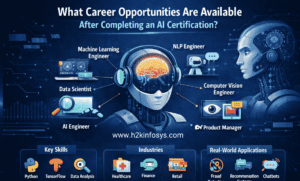
| Role | Core Skills Used |
|---|---|
| AI Engineer | Model deployment, system integration, automation |
| Machine Learning Engineer | Training pipelines, optimization |
| Data Scientist | Analytics, modeling, reporting |
| AI Analyst | Data interpretation, dashboarding |
| MLOps Engineer | CI/CD for models, monitoring |
Resume building support often involves tailoring one base resume into role-specific versions.
How Does H2K Infosys Structure Resume Guidance for AI Learners?
Resume support in AI training contexts is generally integrated into technical learning rather than delivered as a standalone session.
Structured Phases
- Baseline Resume Assessment
Evaluating existing resumes for technical clarity, structure, and role alignment. - Skill Mapping to Industry Roles
Connecting course content and project outcomes to real job requirements. - Project Conversion
Rewriting lab work and case studies into professional experience statements. - ATS Optimization Review
Checking keyword structure, formatting, and file compatibility. - Role-Specific Customization
Adjusting resumes for AI Engineer, ML Engineer, or Data Scientist postings.
How Are AI Projects Represented on Professional Resumes?
Projects are typically written in a format similar to professional work experience.
Example Structure
- Project Title
- Business Problem or Objective
- Tools and Technologies Used
- Solution Architecture
- Measurable Outcome or Performance Metric
Example Resume-Style Entry
- Designed and trained a supervised learning model to classify customer feedback using Python and NLP libraries.
- Integrated model into a REST-based API for real-time scoring.
- Implemented monitoring logic to track prediction accuracy over time.
This format mirrors how enterprise IT teams document system contributions.
What Tools and Platforms Are Commonly Referenced in AI Resumes?
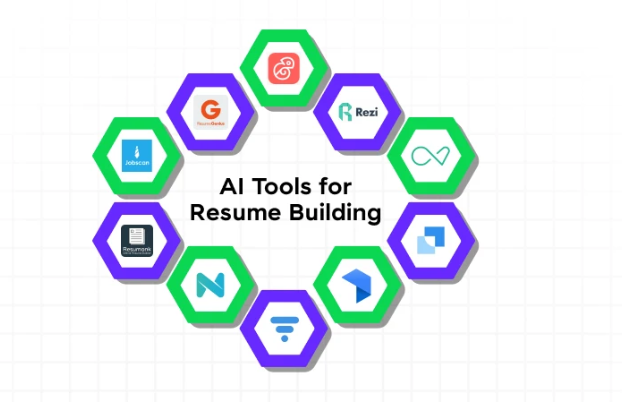
Employers often scan resumes for industry-standard tools.
Commonly Recognized Tools
| Category | Tools |
|---|---|
| Programming | Python |
| ML Frameworks | TensorFlow, PyTorch |
| Data Platforms | SQL-based systems |
| Deployment | Containers |
| Version Control | Git |
| Cloud | Cloud service platforms |
Resume support often ensures tools are grouped logically rather than listed as unstructured keywords.
How Does Resume Support Address ATS and Technical Recruiter Requirements?
ATS Considerations
- Clear section headers
- Standard file formats
- Keyword placement aligned with job descriptions
- Consistent terminology
Technical Recruiter Considerations
- Depth of project explanation
- Tool proficiency context
- Evidence of system integration
- Problem-solving examples
Balancing both improves visibility and credibility.
Learning Path Integration With Resume Development
AI training programs typically link learning milestones to resume updates.
Example Learning Path
| Phase | Resume Impact |
|---|---|
| Programming Basics | Skills section updated |
| Data Handling | Project entries added |
| Model Training | Technical experience expanded |
| Deployment | System integration highlighted |
| Capstone Project | Professional summary refined |
This approach keeps resumes aligned with evolving skill levels.
Frequently Asked Questions (FAQ)
Does resume support include technical feedback?
Yes, resumes are typically reviewed for technical accuracy, not just formatting.
Are resumes customized for different AI roles?
Learners are often guided to adapt resumes for roles such as AI Engineer, ML Engineer, or Data Scientist.
Is prior IT experience considered?
Yes, existing professional experience is mapped to AI-related responsibilities where applicable.
Are projects required for resume building?
Project documentation is a central component of AI resume development.
Is ATS optimization included?
Formatting and keyword structure are commonly reviewed for automated screening compatibility.
Key Takeaways
- Resume building in AI focuses on translating technical learning into enterprise-relevant experience.
- Project documentation is essential for demonstrating real-world application.
- Role-based customization improves alignment with employer expectations.
- ATS compatibility and technical accuracy are both critical.
- Resume development is most effective when integrated into the learning path.