Introduction: Why DevSecOps Matters in 2026 and Beyond
Modern software teams now release code faster than ever. Cloud platforms, automation tools, and global development teams push updates daily or even hourly. This speed creates strong demand for professionals who can build, test, and secure applications at the same time. That demand drives the rise of DevSecOps as a career path.
At H2K Infosys, the goal is to guide learners through a complete DevSecOps Learning experience that starts with basic concepts and grows into real-world, job-ready skills. This blog explains how a structured DevSecOps course, hands-on labs, and industry-aligned projects shape a clear learning journey from beginner to professional.
In the first part of this guide, you will learn what DevSecOps is and why companies need it. Then you will explore how DevSecOps Training And Certification programs prepare learners for roles in cloud, security, and automation. Finally, you will see how cloud-focused paths like azure devops training and aws devops training fit into modern career growth.
What Is DevSecOps and Why Companies Depend on It
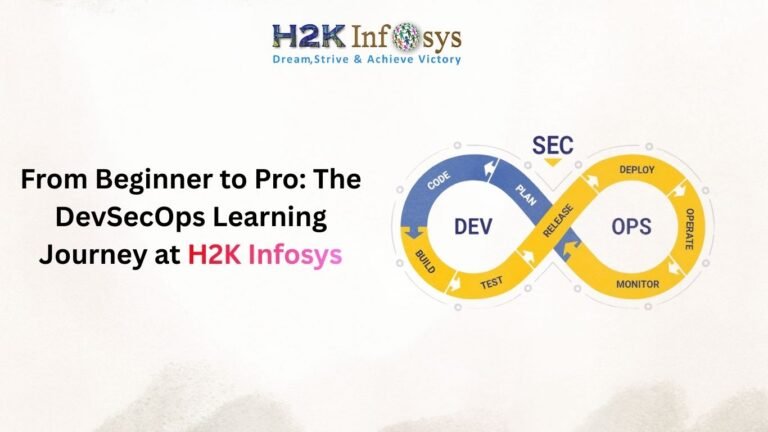
DevSecOps combines three core areas: development, security, and operations. The main idea is simple. Teams build security into every stage of the software lifecycle instead of adding it at the end.
In traditional models, developers write code, operations teams deploy systems, and security teams test for risks later. This process slows down releases and increases the chance of hidden flaws. DevSecOps changes this flow by making security a shared task across all roles.
Key Principles of DevSecOps
- Shift-left security: Teams test for risks early in development.
- Automation: Tools scan code, images, and configurations without manual effort.
- Continuous feedback: Security results guide each build and release.
- Shared responsibility: Developers, testers, and operations teams work as one group.
These principles form the foundation of every DevSecOps Learning path at H2K Infosys. Learners do not just study theory. They practice how these ideas apply to real systems used by companies.
The Career Impact of DevSecOps Skills
Industry data shows that security-focused DevOps roles continue to grow. Cloud adoption, remote work, and data privacy rules increase the need for secure systems. Employers now seek professionals who can manage pipelines, cloud services, and security tools together.
Common job titles include:
- DevSecOps Engineer
- Cloud Security Engineer
- Site Reliability Engineer with Security Focus
- Platform Engineer
- Security Automation Specialist
Each role requires a mix of coding, cloud management, and security testing skills. This mix is why a structured DevSecOps Learning approach matters. Learners need clear steps instead of random tutorials.
How the DevSecOps Learning Journey Is Structured at H2K Infosys
H2K Infosys designs its DevSecOps training path in layers. Each layer builds on the last. This structure helps learners move from basic understanding to advanced system design.
Stage 1: Foundations of Development and Operations
The journey begins with core skills that every DevSecOps professional needs.
Topics Covered
- Linux basics and system navigation
- Networking concepts and protocols
- Version control with Git
- Basic scripting with Bash or Python
- Introduction to cloud platforms
These topics prepare learners to understand how systems work before adding security tools. This early phase supports the first stage of DevSecOps Learning by building confidence with technical tools.
Stage 2: Core DevOps Tools and Pipelines
Once learners understand system basics, they move into automation and continuous delivery.
Tools and Concepts
- CI/CD pipelines with Jenkins or GitHub Actions
- Containerization using Docker
- Container orchestration with Kubernetes
- Infrastructure as Code using Terraform
Learners practice building pipelines that compile code, run tests, and deploy services. This phase introduces automation patterns that form the backbone of secure delivery systems.
During this phase, DevSecOps Learning focuses on how automation reduces errors and improves speed. Learners see how small changes in code move through a full pipeline.
Stage 3: Security Integration in the Pipeline
Security becomes the main focus at this stage. Learners now add scanning and monitoring tools to the systems they built earlier.
Security Tools Introduced
- Static code analysis tools
- Dependency vulnerability scanners
- Container image scanning tools
- Secrets management systems
These tools show how teams can detect risks before systems go live. This phase explains how secure pipelines protect users and company data.
This is where DevSecOps Learning starts to connect strongly with real job tasks. Learners see how security alerts appear in pipelines and how engineers respond to them.
Real-World Example: Securing a Web Application Pipeline
To make learning practical, H2K Infosys uses a simple web app as a training project.
Step-by-Step Flow
- A developer commits code to a Git repository.
- The pipeline builds the app and runs tests.
- A static scanner checks the code for risks.
- A container tool builds an image.
- A scanner checks the image for known issues.
- The system deploys the app to a cloud environment.
This workflow shows learners how automation and security work together. It also shows how mistakes in one step affect the next.
This hands-on method strengthens DevSecOps Learning by turning theory into real system behavior.
Cloud Integration: Why Azure and AWS Matter
Most companies now run their systems in the cloud. That makes cloud skills essential for DevSecOps professionals.
H2K Infosys includes both azure devops training and aws devops training in its learning path. This dual approach prepares learners for different company environments.
Azure-Focused Skills
- Azure DevOps pipelines
- Azure Kubernetes Service
- Azure security center tools
- Role-based access control
AWS-Focused Skills
- AWS CodePipeline
- Amazon EKS
- Identity and access management
- Cloud monitoring tools
By working with both platforms, learners gain flexibility. They can apply for roles in companies that use either cloud provider.
This stage deepens DevSecOps Learning by showing how cloud security and automation work in large systems.
How Certification Supports Career Growth
Many employers use certifications to screen candidates. A strong devsecops training and certification plan helps learners show their skills.
Common Certification Paths
- Cloud security certifications
- DevOps professional certificates
- Security automation credentials
These certifications test knowledge of pipelines, cloud tools, and security practices. H2K Infosys aligns its DevSecOps course content with exam topics to help learners prepare.
Certification support strengthens DevSecOps Learning by adding a formal proof of skill that recruiters recognize.
Long-Tail Career Paths in DevSecOps
Some learners want specialized roles instead of general DevSecOps positions. H2K Infosys helps guide these choices.
Specialized Paths
- Cloud Security Engineer
- Kubernetes Security Specialist
- Automation Architect
- Compliance and Risk Engineer
Each path builds on the same foundation but adds deeper focus in one area. This option helps learners tailor their DevSecOps Learning journey to specific job goals.
Case Study: From IT Support to DevSecOps Engineer
A learner with a background in IT support joined the DevSecOps course. At first, they struggled with coding and cloud tools. Over several months, they completed pipeline projects and security labs.
By the end of the program, they built a full system that deployed a secure web app on AWS with automated scanning. They later passed a cloud security exam and secured a junior DevSecOps role.
This example shows how a structured DevSecOps Learning path can change career direction.
Step-by-Step Guide: Building a Secure CI/CD Pipeline
This simple tutorial shows the learning style used at H2K Infosys.
Step 1: Set Up a Repository
Create a Git repository and add a sample app.
Step 2: Create a Pipeline
Use a pipeline tool to build and test the app on every commit.
Step 3: Add Security Scans
Integrate a static scanner into the pipeline.
Step 4: Build a Container
Create a Docker image for the app.
Step 5: Scan the Image
Use a vulnerability scanner to check the image.
Step 6: Deploy to Cloud
Push the app to a cloud cluster.
This workflow teaches learners how secure delivery works in real systems. Each step builds technical confidence and problem-solving skills.
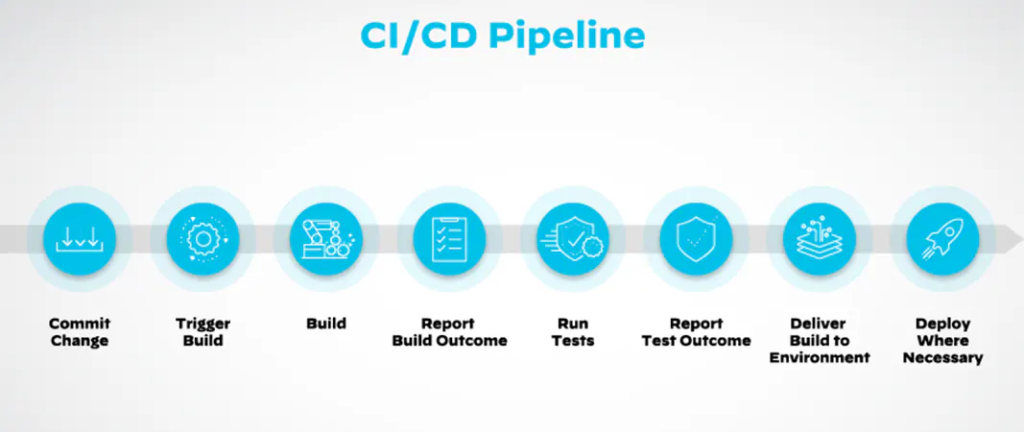
This process reinforces DevSecOps Learning by repeating key concepts in practical tasks.
Industry Skills Employers Look For
Hiring managers often seek these skills in DevSecOps roles:
- Pipeline automation
- Cloud security tools
- Container management
- Monitoring and logging
- Compliance basics
H2K Infosys includes all these areas in its DevSecOps training plan. This focus helps learners match job requirements.
Evidence-Based Trends in DevSecOps Careers
Industry surveys show strong growth in cloud security and automation roles. Many companies report difficulty finding professionals who understand both development and security.
This shortage increases job opportunities and salary potential for trained professionals. A structured DevSecOps Learning journey helps learners enter this growing field with confidence.
Community and Peer Learning
H2K Infosys supports group labs and discussion sessions. Learners share solutions and compare approaches. This method builds teamwork skills that match real workplace environments.
Peer learning also improves DevSecOps Learning by exposing learners to different problem-solving styles.
How Projects Build a Professional Portfolio
Every learner completes multiple projects during the course. These projects form a portfolio that shows:
- Secure pipeline design
- Cloud deployment skills
- Risk management techniques
A strong portfolio helps candidates stand out in interviews.
The Role of Mentors in Skill Development
Mentors guide learners through complex tasks. They review pipeline setups and security reports. This feedback helps learners correct mistakes early.
Mentorship strengthens DevSecOps Learning by connecting training tasks to real industry practices.
Long-Term Growth After Course Completion
DevSecOps is a field that changes often. New tools and risks appear each year. H2K Infosys encourages ongoing learning through updates and advanced modules.
This mindset helps learners stay relevant as technology evolves.
How DevSecOps Fits Into Business Goals
Companies want faster releases without losing trust. Secure systems protect customer data and company reputation. DevSecOps professionals support both technical and business goals.
Understanding this connection helps learners explain their value in interviews.
This business view is a key part of DevSecOps Learning.
Common Challenges and How Learners Overcome Them
Technical Overload
New learners often feel overwhelmed by tools. Structured lessons break tasks into small steps.
Security Concepts
Security terms can seem complex. Real examples make them easier to understand.
Cloud Costs
Labs use controlled environments to avoid high expenses.
These solutions support smooth DevSecOps Learning for beginners.
The Importance of Soft Skills
Communication matters in DevSecOps roles. Professionals explain risks to developers and managers. Group projects at H2K Infosys help build these skills.
Summary of the Full Learning Path
From basic system skills to advanced cloud security, the DevSecOps Learning journey at H2K Infosys follows a clear path:
- Foundations
- Automation
- Security integration
- Cloud deployment
- Certification support
- Portfolio development
Each stage prepares learners for real job tasks.
Key Takeaways
- DevSecOps combines development, security, and operations into one role.
- Structured training helps learners avoid confusion and build skills step by step.
- Cloud platforms play a major role in modern DevSecOps careers.
- Certifications and projects increase job readiness.
- Continuous learning keeps professionals relevant.
Conclusion
Start your professional journey today with H2K Infosys and experience a complete DevSecOps Learning path built on hands-on projects and real industry tools.
Enroll now to build secure, cloud-ready skills that prepare you for high-demand DevSecOps roles.