

In the realm of software development, ensuring that the end product is of the highest quality is paramount. One of the most effective approaches for achieving this goal is the Iterative Model. The Iterative Model emphasizes the gradual improvement of software through repeated cycles (iterations) of development, testing, and feedback. This approach has become a cornerstone in the field of Quality Assurance (QA) and is widely used across software development teams globally.
In this blog post, we’ll explore the Iterative Model in-depth, discussing its principles, benefits, limitations, and how it integrates with Quality assurance testing courses. Whether you’re looking to understand how to apply this model in your work or aiming to dive deeper into QA methodologies, this guide will serve as your go-to resource.
What is the Iterative Model?
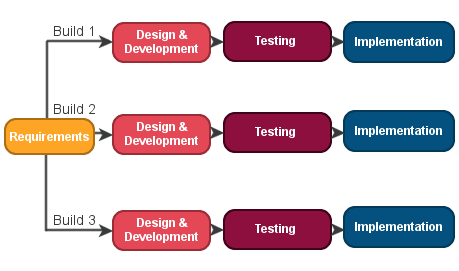
The Iterative Model is a software development process where the software is built and refined in small sections or iterations. Each iteration represents a mini-version of the software, complete with its own set of features. After each iteration, the software is tested and reviewed, and feedback is used to improve the software in subsequent iterations.
Unlike the traditional Waterfall Model, where the entire project is completed in one go and only tested at the end, the Iterative Model allows for continuous improvement. This means that issues can be identified and resolved at each stage, leading to a more robust and reliable product by the time the final iteration is complete.
Key Characteristics of the Iterative Model
- Incremental Development: The software is developed in small, manageable chunks, making it easier to focus on individual features and functionalities.
- Continuous Testing: Each iteration is followed by rigorous testing, ensuring that bugs and issues are caught early in the development process.
- Feedback-Driven: Feedback from users, developers, and testers is continuously integrated into the development process, ensuring that the product evolves in line with user expectations and requirements.
- Flexibility: Changes can be made in later iterations based on feedback and testing, making it a highly adaptable model for dynamic environments.
The Process of the Iterative Model
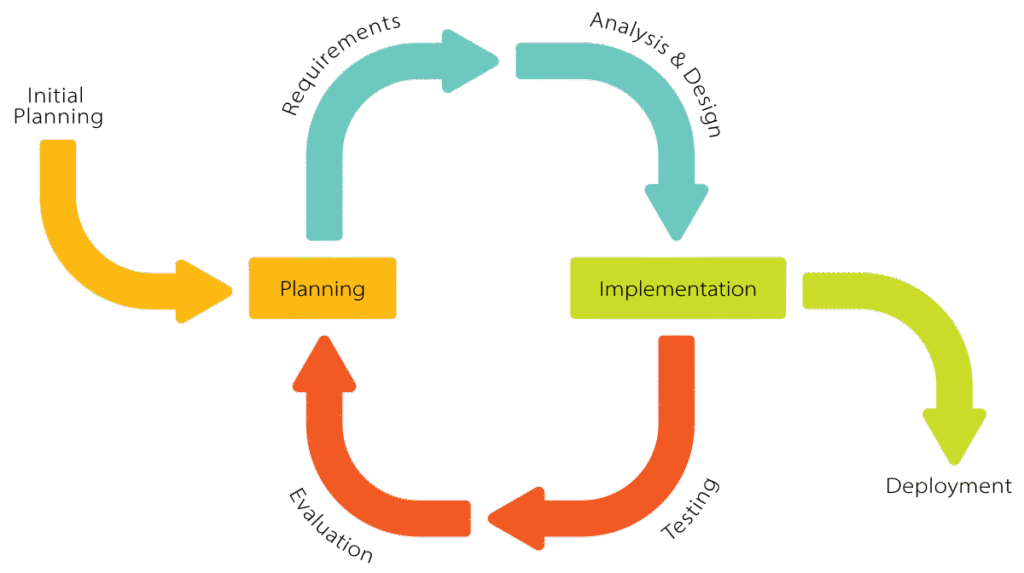
The Iterative Model follows a series of stages, which are repeated for each iteration. Here’s an overview of these stages:
- Planning: The initial stage involves gathering and analyzing the requirements of the project. During this stage, the basic scope of the project is defined, and the objectives of the first iteration are set.
- Design and Development: Based on the requirements, the development team designs and builds the initial version of the product. This version includes a subset of the final product’s features and functionalities.
- Testing: After each iteration is completed, the product is tested to identify defects or bugs. QA software testers perform various testing techniques, such as functional testing, integration testing, and regression testing, to ensure the software meets the required standards.
- Evaluation: The feedback from testing and the end-users is reviewed. Based on this feedback, adjustments are made in the design and functionality for the next iteration. This phase allows for continuous improvement and refinement of the product.
- Deployment: After several iterations, the software is deployed in its final form. The deployment may happen after the final iteration or after each iteration depending on the release strategy.
Benefits of the Iterative Model
1. Improved Risk Management
The Iterative Model helps identify potential risks early in the development cycle. By breaking down the project into smaller iterations, issues can be detected and resolved sooner, reducing the likelihood of significant problems later in the project.
2. Higher Quality Product
With continuous testing after each iteration, the software undergoes rigorous QA at every stage. This helps identify and fix bugs early, leading to a higher-quality product at the end. QA software testers can detect functional and non-functional issues before they become critical, reducing the cost of fixing issues in later stages.
3. Better Resource Management
Because the project is divided into smaller, manageable iterations, the development team can focus on one iteration at a time. This ensures that resources are allocated effectively and efficiently, avoiding overburdening the team with large-scale tasks all at once.
4. Flexibility and Adaptability
Since each iteration is followed by testing and feedback, the project can easily adapt to changes in requirements, technology, or market conditions. The model allows for modifications to be made even in later stages, making it ideal for projects with evolving needs.
5. Clearer Client Involvement
The Iterative Model encourages client feedback at every stage of development. This active involvement ensures that the client’s expectations are aligned with the development team’s progress, resulting in a product that more accurately meets the client’s needs.
The Role of QA Software Testing in the Iterative Model
The Iterative Model heavily emphasizes quality assurance testing to ensure that the software being developed meets its requirements at every stage of the development cycle. QA software testing courses teach the fundamentals of testing, helping professionals develop the necessary skills to test products thoroughly during each iteration.
Here’s how QA testing plays a vital role in the Iterative Model:
1. Continuous Integration and Testing
In the Iterative Model, testing is integrated into every phase of the development. After each iteration, the code is tested for defects, ensuring that no new bugs are introduced into the system. This continuous integration ensures that the software quality is maintained throughout the development process.
2. Regression Testing
As each iteration introduces new features or changes to the existing software, regression testing is performed to ensure that previously implemented features still function as expected. Regression testing ensures that changes made in one part of the application don’t inadvertently break other parts of the software.
3. Functional Testing
The development team and testers perform functional testing after each iteration to ensure that the functionality of the software matches the requirements. In each iteration, only a subset of the software’s final features is built, so functional testing verifies that each of these features works as expected before the next iteration begins.
4. User Acceptance Testing (UAT)
User acceptance testing (UAT) is often performed after each iteration to gather feedback from the end-users. This helps identify any discrepancies between the user’s expectations and the software’s functionality. UAT helps improve the product’s alignment with the client’s requirements and expectations.
How QA Testing Courses Align with the Iterative Model
To effectively implement the Iterative Model, QA professionals must have a deep understanding of both the development process and the testing techniques that ensure high-quality outcomes. Quality assurance testing courses provide the knowledge and tools required to excel in an iterative development environment. These courses cover a range of essential testing methodologies, including:
- Automated Testing: Automated testing tools are used to run test scripts automatically across iterations. Learning how to create and manage these automated test scripts is crucial for improving efficiency in iterative environments.
- Manual Testing: In iterative development, manual testing is often used to identify user-specific issues and functional flaws that automated testing might miss. QA software testing courses teach professionals how to conduct effective manual tests.
- Test Case Design: Creating robust test cases for iterative testing is essential for ensuring that the product is thoroughly tested at every stage. These courses teach the best practices for designing test cases that can be applied in each iteration.
- Performance Testing: Performance testing becomes crucial as the software evolves through iterations. Ensuring that the system performs well under load is a critical part of the iterative process, and QA software testing courses provide the necessary training to evaluate and improve performance at every stage.
Challenges of the Iterative Model
While the Iterative Model offers numerous advantages, it is not without its challenges. Here are some of the most common obstacles:
1. Scope Creep
Due to the flexibility of the model, there is a risk of scope creep. As iterations progress, new features or changes might be introduced, potentially leading to increased project scope and delayed delivery.
2. Complexity in Management
Managing multiple iterations can become complex, especially for larger projects. Each iteration requires careful planning, coordination, and monitoring to ensure that the project remains on track and that all teams are aligned.
3. Integration Issues
With continuous development and testing, integration issues may arise, especially when new features are added in later iterations. Ensuring that all components of the system work together seamlessly requires careful planning and testing.
4. Higher Initial Costs
Although the iterative process leads to a higher-quality product, the frequent testing and revisions can lead to higher initial development costs. However, these costs can be offset by the reduction in long-term issues and maintenance.
Conclusion
The Iterative Model has become a standard approach in software development due to its focus on incremental progress, continuous testing, and feedback-driven improvements. It offers numerous benefits, such as improved risk management, better resource allocation, and a higher-quality end product.
For those looking to dive into the world of software quality assurance, QA software testing courses are essential for building the skills necessary to succeed in an iterative development environment. Whether you’re new to the field or a seasoned professional looking to expand your knowledge, these courses offer the tools and techniques needed to excel in the dynamic, fast-paced world of software testing.
By understanding and implementing the principles of the Iterative Model, QA professionals can help ensure that software projects are completed on time, within budget, and to the highest standards of quality.
























7 Responses
Iterative Model; The iterative model is considered as an incremental model, where the software or a project is broken down into many large iterations and where every single iteration is a complete development loop which results in a release of an executable product of software. Rapid application model is an example of the iterative model. In the iterative model, the development begins by specifying and also by implementing the part of software which can be then again viewed in order to identify further requirements; this process reoccurs hence making new software for each cycle of the model.
+; the iterative models advantages are as follows: a high level design of the application is created before the development of the product and then the definition of the design solution for the product. The product is built and improved step by step which helps users track defects early on. This model calls for reliable user feedback, and less time spent on documenting and also more time is given for implementation of software.
-; in each step of iteration, it is rigid with no overlaps and it also has an expensive system of architecture and design issues may arise because all the requirements are not gathered up front for the entire cycle.
AGILE: The agile model has the capability to create and respond to change. It is a way of proceeding with, and ultimately succeeding in an uncertain and turbulent environment.
Agile Methodologies: scrum and XP were considered as framework by Alistair, these methodologies are styled in agile values and principles. But why Agile? Agile is a process at the team level, it is effective and achieves desired market/business goals.
Agile Scrum: Scrum is a framework which helps the software team work together. It encourages the team to learn by its experiences, self-organize while working on a problem and always highlights their wins/losses to continuously improve. The scrum procedure benefits the organisation by helping as mentioned; 1. Increase the quality of the deliverables 2. By adapting better to change 3. By providing better estimates while spending less time creating them. 4. By controlling the project schedule and state.
Iterative model is considered as an incremental model, where the software or a project is broken down into many large iterations and where every single iteration is a complete development loop which results in a release of executable product of software. Rapid application model is an example of iterative model. The development of the iterative model in SDLC is a manner of breaking down the software huge application into shorter segments.
In iterative model, the development begins by specifying and also by implementing the part of software which can be then again viewed in order to identify further requirements. This process is will be repeated by producing a new version of the software for each cycle of the model.
Advantages:
1. In this model, we will create a high level design of the application before we actually begin to build the product and define the design solution for the entire product.
2. Here we build and improve the product step by step by which we can track the defects at early stages.
3. In this model, we can get the reliable user feedback.
4. In this model less time is spent on documenting and also more time is given for implementation of software.
Disadvantages:
1. In each step of iteration, it is rigid with no overlaps.
2. It has expensive system of architecture or design issues may arise because all requirements are not gathered up front for the entire cycle.
Agile, the word means the adaptiveness and response to change which is so important to their approach. Agile methodologies are conventions which a team chooses to follow in a style that follows agile values and principles.
Many companies choose Agile nowadays because Agile is a process at the team level. It is effective and achieve desired market and business goals. It is always essential to get the team’s daily work with coordination with an organisations strategic objectives. Agile helps organisations in many industries to improve product quality, time to market and employee satisfaction.
AGILE SCRUM:
Scrum is a framework which helps the software team work together. It encourages the team to learn by its experiences, self-organize while working on a problem and always highlights their wins and losses to continuously improve. Scrum is used by software development teams, its principles and lessons can be applied to all kinds of teamwork. This is reason scrum is very popular.
Scrum procedure benefits the organisation by helping as mentioned below:
1. Increase the quality of the deliverables
2.By adapting better to change.
3.By providing better estimates while spending less time creating them.
4. By controlling the project schedule and state.
Iterative model is considered as an incremental model, where the software or a project is broken down into many large iterations and where every single iteration is a complete development loop which results in a release of executable product of software. Rapid application model is an example of iterative model.
In iterative model, the development begins by specifying and also by implementing the part of software which can be then again viewed in order to identify further requirements. This process will be repeated by producing a new version of the software for each cycle of the model.
Iterative model
Advantages:
In this model, we will create a high-level design of the application before we actually begin to build the product and define the design solution for the entire product.
Here we build and improve the product step by step by which we can track the defects at early stages.
In this model, we can get the reliable user feedback.
In this model less time is spent on documenting and also more time is given for implementation of software.
Disadvantages:
In each step of iteration, it is rigid with no overlaps.
It has expensive system of architecture or design issues may arise because all requirements are not gathered up front for the entire cycle.
We have to use the iterative model when requirements of the system will be completely defined and understood. Whenever the project is big. Many requirements must be defined.
AGILE:
Agile has the capability to create and respond to change. It is a way of proceeding with, and ultimately succeeding in an uncertain and turbulent environment. “Agile”, the word means the adaptiveness and response to change which is so important to their approach.
Agile software development is team with a group of frameworks and practices based on values and principles as expressed in the manifesto for agile software development.
Agile methodologies:
Agile methodologies are conventions which a team chooses to follow in a style that follows agile values and principles. There are some methodologies like scrum and XP which are agile methodologies, these were considered as framework by Alistair.
Importance of agile:
When we ask any developer about their shifting from waterfall model to agile, we will get to hear an earful of many benefits about the agile. Agile is a process at the team level. It is effective and achieve desired market and business goals.
AGILE SCRUM:
Scrum is a framework which helps the software team work together. It encourages the team to learn by its experiences, self-organize while working on a problem and always highlights their wins and losses to continuously improve. Scrum is used by software development teams, its principles and lessons can be applied to all kinds of teamwork.
A scrum procedure is differentiated from agile by a particular concepts and practices which are divided into three categories of roles, Artifacts and Time boxes. Scrum is often used to manage difficult software and product development.
Scrum procedure benefits the organization by helping as mentioned below:
Increase the quality of the deliverables
By adapting better to change.
By providing better estimates while spending less time creating them.
By controlling the project schedule and state
Iterative Model
Iterative model is considered as incremental model where as software project is broken down into many large iterations and every single iteration is a development loop which releases in executable file.
In iterative model, the development begins by specifying and also by implementing the part of software which can be then again viewed in order to identify further requirements. This process will be repeated by producing a new version of the software for each cycle of the model.
Advantages:
1. In this model we create high level design of an application before we start to build actual application.
2. Here we build and improve the application step by step by which we can find the defects at early stages.
3.Main focus is on developing software instead of documentation.
4.In this model , we can get reliable feedback from user.
Disadvantages :
1. In each iteration ,it is rigid ,no overlaps.
2. It is expensive model.
AGILE :
Agile word means adaptiveness and response to change. Agile is a software development process with group of frameworks and practices based on values and principles. With the help of Agile process, we can achieve desired market and business goals. Agile helps organisations in many industries to improve product quality, time to market and employee satisfaction.
AGILE SCRUM:
Scrum is a framework which helps the software team work together. Scrum explains a set of meetings, tools and roles that work in concert to help teams structure and manage their work. Scrum is often used to manage difficult software and product development.
Benefits of Scrum:
1. Increase the quality of the deliverables
2. By adapting better to change.
3. By providing better estimates while spending less time creating them.
4. By controlling the project schedule and state.
Iterative model is considered as an incremental model, where the software or a project is broken down into many large iterations and where every single iteration is a complete development loop which results in a release of executable product of software. Rapid application model is an example of iterative model. The development of the iterative model in SDLC is a manner of breaking down the software huge application into shorter segments.
In iterative model, the development begins by specifying and also by implementing the part of software which can be then again viewed in order to identify further requirements. This process is will be repeated by producing a new version of the software for each cycle of the model.
Advantages:
1. In this model, we will create a high level design of the application before we actually begin to build the product and define the design solution for the entire product.
2. Here we build and improve the product step by step by which we can track the defects at early stages.
3. In this model, we can get the reliable user feedback.
4. In this model less time is spent on documenting and also more time is given for implementation of software.
Disadvantages:
1. In each step of iteration, it is rigid with no overlaps.
2. It has expensive system of architecture or design issues may arise because all requirements are not gathered up front for the entire cycle.
Agile, the word means the adaptiveness and response to change which is so important to their approach. Agile methodologies are conventions which a team chooses to follow in a style that follows agile values and principles.
Many companies choose Agile nowadays because Agile is a process at the team level. It is effective and achieve desired market and business goals. It is always essential to get the team’s daily work with coordination with an organisations strategic objectives. Agile helps organisations in many industries to improve product quality, time to market and employee satisfaction.
AGILE SCRUM:
Scrum is a framework which helps the software team work together. It encourages the team to learn by its experiences, self-organize while working on a problem and always highlights their wins and losses to continuously improve. Scrum is used by software development teams, its principles and lessons can be applied to all kinds of teamwork. This is reason scrum is very popular.
Scrum procedure benefits the organisation by helping as mentioned below:
1. Increase the quality of the deliverables
2.By adapting better to change.
3.By providing better estimates while spending less time creating them.
4. By controlling the project schedule and state.
Iterative model is considered as an incremental model, where the software or a project is broken down into many large iterations and where every single iteration is a complete development loop which results in a release of executable product of software. Rapid application model is an example of iterative model. The development of the iterative model in SDLC is a manner of breaking down the software huge application into shorter segments.
In iterative model, the development begins by specifying and also by implementing the part of software which can be then again viewed in order to identify further requirements. This process is will be repeated by producing a new version of the software for each cycle of the model.
Advantages:
1. In this model, we will create a high level design of the application before we actually begin to build the product and define the design solution for the entire product.
2. Here we build and improve the product step by step by which we can track the defects at early stages.
3. In this model, we can get the reliable user feedback.
4. In this model less time is spent on documenting and also more time is given for implementation of software.
Disadvantages:
1. In each step of iteration, it is rigid with no overlaps.
2. It has expensive system of architecture or design issues may arise because all requirements are not gathered up front for the entire cycle.
AGILE- a project management approach based on delivering requirements iteratively and incrementally throughout the life cycle.
Agile methodology is a way to manage a project by breaking it up into several phases. It involves constant collaboration with stakeholders and continuous improvement at every stage. Once the work begins, teams cycle through a process of planning, executing, and evaluating.
AGILE SCRUM:
Scrum is a framework which helps the software team work together. It encourages the team to learn by its experiences, self-organize while working on a problem and always highlights their wins and losses to continuously improve. Scrum is used by software development teams, its principles and lessons can be applied to all kinds of teamwork. This is reason scrum is very popular. Scrum explains a set of meetings, tools and roles that work in concert to help teams structure and manage their work.
The iterative model is considered an incremental model, where the software or a project is broken down into many large iterations and where every single iteration is a complete development loop that results in a release of an executable product of the software. The rapid application model is an example of an iterative model. The development of the iterative model in SDLC is breaking down huge software application into shorter segments.
In the iterative model, the development begins by specifying and also by implementing the part of the software which can then be again viewed in order to identify further requirements. This process is will be repeated by producing a new version of the software for each cycle of the model.
Advantages:
1.In this model, we will create a high-level design of the application before we actually begin to build the product and define the design solution for the entire product.
2.Here we build and improve the product step by step by which we can track the defects at the early stages.
3. In this model, we can get reliable user feedback.
4. In this model less time is spent on documenting and also more time is given to the implementation of software.
Disadvantages:
1. In each step of iteration, is rigid with no overlaps.
2. It has an expensive system of architecture.Design issues may arise because all requirements are not gathered up front for the entire cycle.
We have to use the iterative model when the requirements of the system will be completely defined and understood. Whenever the project is big. Many requirements must be defined.
Agile:
Agile software development is a team with a group of frameworks and practices based on values and principles as expressed in the manifesto for agile software development.
Agile methodologies:
Agile methodologies are conventions that a team chooses to follow in a style that follows agile values and principles. They were born from a single team’s methodology and they were considered frameworks when they will be generalized to be used by other teams.
AGILE SCRUM:
Scrum is a framework which helps the software team work together. It encourages the team to learn from its experiences, self-organize while working on a problem, and always highlight their wins and losses to continuously improve. Scrum is used by software development teams, its principles and lessons can be applied to all kinds of teamwork. This is the reason scrum is very popular. Scrum explains a set of meetings, tools, and roles that work in concert to help teams structure and manage their work.