Artificial Intelligence (AI) and Machine Learning (ML) are no longer just emerging technologies they are becoming the backbone of digital transformation across industries. From healthcare and finance to education, cybersecurity, and entertainment, AI-driven systems are redefining how organizations operate, make decisions, and deliver value. As data volumes grow and computing power becomes more accessible, the future of Artificial Intelligence and Machine Learning promises smarter automation, more accurate predictions, and deeper human-machine collaboration.
This blog explores how AI and ML are shaping the future, the career opportunities they create, and why structured learning through an AI course certification is becoming essential for professionals who want to stay relevant in a rapidly evolving tech landscape.
Understanding Artificial Intelligence and Machine Learning
Artificial Intelligence refers to the ability of machines to perform tasks that typically require human intelligence. These include problem-solving, speech recognition, visual perception, language translation, and decision-making. Machine Learning, a subset of AI, focuses on enabling systems to learn from data and improve performance over time without being explicitly programmed for every task.
Key Differences Between AI and ML
- AI is the broader concept of building intelligent systems.
- ML is a technique used within AI that relies on algorithms and data to identify patterns and make predictions.
- Artificial Intelligence can exist without ML, but most modern AI applications are powered by ML models.
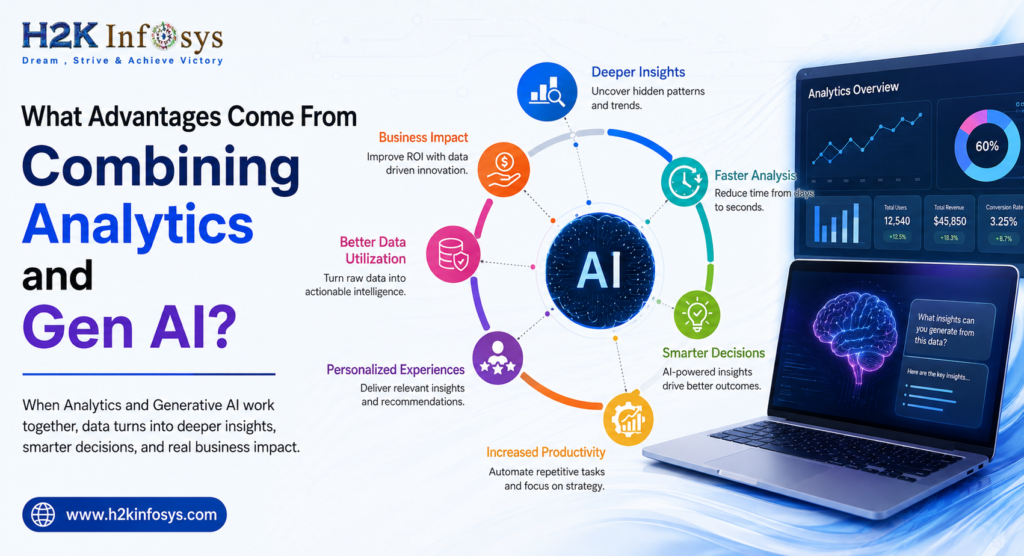
Together, these technologies are driving innovation by automating complex processes, uncovering insights from massive datasets, and enhancing user experiences across platforms.
Why the Future of AI and ML Is So Promising
The future of AI and ML is promising because of three major factors: data availability, advancements in computing, and growing business adoption. Organizations today generate massive amounts of data through digital platforms, IoT devices, and online services. This data fuels ML models, allowing them to become more accurate and efficient.
At the same time, cloud computing and specialized hardware like GPUs and TPUs have significantly reduced the cost and complexity of training Artificial Intelligence models. This means even startups and small businesses can leverage AI solutions that were once limited to large enterprises.
Industry Applications Driving Growth
1. Healthcare and Life Sciences
AI is revolutionizing medical diagnostics, drug discovery, and patient care. Machine learning models can analyze medical images to detect diseases like cancer at early stages. Predictive analytics helps hospitals manage patient flow and reduce operational costs.
2. Finance and Banking
AI-powered systems are improving fraud detection, risk management, and personalized financial services. Machine learning algorithms can analyze transaction patterns in real time to flag suspicious activity and enhance security.
3. Education and E-Learning
AI-driven platforms personalize learning experiences by adapting content to a learner’s pace and skill level. Virtual tutors, automated assessments, and intelligent content recommendations are transforming digital education.
4. Manufacturing and Automation
Smart factories use Artificial Intelligence to monitor equipment health, predict maintenance needs, and optimize production lines. This reduces downtime and improves efficiency.
5. Cybersecurity and IT Operations
AI plays a critical role in identifying network threats, detecting anomalies, and automating incident response. Machine learning models can recognize attack patterns faster than traditional rule-based systems.
The Role of AI in Shaping Future Jobs
While automation raises concerns about job displacement, AI and ML are also creating new career opportunities. Roles such as AI engineers, data scientists, machine learning specialists, AI product managers, and ethical AI consultants are in high demand.
Future jobs will increasingly focus on:
- Designing and training AI models
- Interpreting AI-generated insights
- Managing AI-driven systems
- Ensuring ethical and responsible AI use
Professionals who combine technical expertise with problem-solving and domain knowledge will be well-positioned to thrive in this evolving job market.
Importance of an AI Training Program
As AI becomes integrated into everyday business operations, formal learning is essential to keep pace with technological advancements. A structured AI training program helps learners move beyond theoretical concepts and gain hands-on experience with real-world tools, datasets, and projects.
Benefits of Enrolling in an AI Training Program
- Strong Foundations: Learn core concepts such as data preprocessing, algorithms, neural networks, and model evaluation.
- Practical Skills: Work with popular frameworks and programming languages used in the industry.
- Real-World Exposure: Apply AI techniques to case studies and practical projects.
- Career Readiness: Develop a portfolio that showcases your ability to solve real business problems using AI.
A well-designed program not only builds technical competence but also improves analytical thinking and decision-making skills.
Why Artificial Intelligence Course Certification Matters
In a competitive job market, credentials play a significant role in validating your expertise. An AI course certification demonstrates that you have completed structured training and met industry-relevant standards.
Key Advantages of Artificial IntelligenceCourse Certification
- Professional Credibility: Employers recognize certifications as proof of knowledge and commitment.
- Career Advancement: Certified professionals often have better opportunities for promotions and leadership roles.
- Global Recognition: Many certifications are recognized across industries and regions.
- Skill Validation: Certification exams assess both theoretical understanding and practical application.
For career switchers and fresh graduates, certification can act as a strong entry point into the AI and ML domain.
Ethical and Responsible AI: A Growing Focus
As AI systems influence critical decisions in healthcare, finance, and public services, ethical considerations are becoming increasingly important. Issues such as data privacy, algorithmic bias, and transparency must be addressed to ensure fair and responsible use of AI.
Future AI professionals will need to:
- Understand data governance and privacy laws
- Design models that minimize bias
- Build explainable AI systems
- Ensure compliance with ethical standards
This growing emphasis on responsible AI is creating new opportunities for professionals who specialize in AI ethics and governance.
The Impact of Artificial Intelligence on Business Strategy
Organizations are no longer using AI just as a technical tool it is becoming a core part of business strategy. Companies use AI to analyze customer behavior, forecast market trends, and optimize supply chains.
Key Business Benefits
- Improved decision-making through data-driven insights
- Enhanced customer experience with personalized services
- Increased operational efficiency and reduced costs
- Faster innovation cycles
Businesses that invest in AI today are better positioned to remain competitive in the future digital economy.
Future Trends in Artificial Intelligence and Machine Learning
1. Generative AI
Generative models are creating realistic text, images, videos, and even software code. This technology is expected to transform creative industries, marketing, and software development.
2. Edge AI
AI processing at the edge—on devices rather than in centralized servers will enable faster responses and improved data privacy. This is especially useful for IoT and real-time applications.
3. AI in Sustainability
Machine learning models are being used to optimize energy consumption, predict climate patterns, and improve resource management, contributing to environmental sustainability.
4. Human-AI Collaboration
Future systems will focus on enhancing human capabilities rather than replacing them. AI will act as a decision-support tool, helping professionals make better and faster choices.
Skills Required to Succeed in the AI and ML Field
To build a successful career in AI and ML, professionals need a mix of technical and soft skills:
Technical Skills
- Programming languages such as Python and R
- Data analysis and visualization
- Understanding of algorithms and model architectures
- Cloud computing and AI deployment
Soft Skills
- Problem-solving and critical thinking
- Communication and teamwork
- Ethical awareness and responsibility
- Adaptability to new technologies
A comprehensive learning path that combines both skill sets is key to long-term success.
How Learning Pathways Are Evolving
Traditional education models are giving way to flexible, modular learning approaches. Online platforms, virtual labs, and project-based training are making Artificial Intelligence education more accessible to learners worldwide.
An effective learning journey often includes:
- Foundational courses in mathematics and programming
- Intermediate modules in machine learning and data science
- Advanced topics such as deep learning and AI deployment
- Capstone projects and industry simulations
This layered approach ensures that learners build confidence and competence at every stage.
Conclusion:
The future of Artificial Intelligence and Machine Learning is full of possibilities. These technologies are not only transforming industries but also redefining the skills required to succeed in the modern workforce. From smarter healthcare systems to intelligent business strategies, AI is shaping a world where data-driven decisions and automation play a central role.
For individuals looking to grow in this field, investing in a structured AI training program and earning an Artificial Intelligence course certification can provide the knowledge, skills, and credibility needed to thrive. As AI continues to evolve, those who embrace continuous learning and ethical responsibility will be at the forefront of innovation and impact.