Artificial Intelligence (AI) is no longer limited to research labs or large tech companies. It now powers business decisions, healthcare systems, financial services, manufacturing processes, marketing platforms, and even everyday consumer applications. As organizations across industries adopt AI-driven systems, the demand for professionals who understand how to design, build, deploy, and manage intelligent systems continues to grow.
Learning Artificial Intelligence is not about mastering a single programming language or tool. It requires a combination of technical, analytical, and problem-solving skills that work together to create practical, reliable, and ethical AI solutions. This guide explores the top influential skills you need to learn Artificial Intelligence, explaining how each skill fits into real-world projects, enterprise systems, and career growth paths.
What Does It Mean to Learn Artificial Intelligence Skills?
Learning AI skills means developing the ability to work with data, algorithms, models, and systems that can perform tasks typically requiring human intelligence. These tasks include recognizing patterns, making predictions, understanding language, interpreting images, and supporting decision-making processes.
In professional environments, AI skills are applied to:
- Automating repetitive business processes
- Detecting fraud and security threats
- Predicting customer behavior and demand trends
- Improving healthcare diagnostics and patient care
- Enhancing product recommendations and personalization
AI professionals often work in cross-functional teams that include software developers, data engineers, business analysts, security specialists, and product managers. This makes both technical expertise and communication skills essential.
Why Are AI Skills So Influential in Today’s Job Market?
AI has become a core technology in digital transformation strategies. Companies are not only hiring AI engineers but also upskilling existing teams to integrate AI into operations. This creates opportunities for professionals from IT, analytics, cybersecurity, cloud computing, and even non-technical backgrounds.
Key reasons AI skills are influential include:
- Industry-wide adoption: From finance and retail to healthcare and logistics
- High demand for talent: AI roles often remain open longer due to skill shortages
- Career flexibility: AI skills can lead to roles in engineering, analytics, research, and management
- Long-term relevance: AI continues to evolve, creating continuous learning and growth opportunities
Foundational Skills for Learning Artificial Intelligence
Before diving into advanced AI topics, it is important to build a strong foundation, often supported by structured AI and machine learning Courses that help learners develop core concepts and practical skills. These skills create the base upon which machine learning models, intelligent systems, and enterprise AI platforms are developed.
1. Mathematics and Statistics
Mathematics forms the backbone of Artificial Intelligence. While you do not need to become a mathematician, understanding key concepts is critical for building and evaluating AI models.
Key Areas to Learn
- Linear Algebra: Vectors, matrices, eigenvalues, and transformations used in neural networks
- Probability Theory: Understanding randomness, distributions, and uncertainty in predictions
- Statistics: Hypothesis testing, regression analysis, and performance evaluation
Real-World Application
In machine learning projects, statistical concepts help determine whether a model is truly performing well or just memorizing training data. In business environments, these skills are used to validate predictions related to customer churn, sales forecasting, and risk analysis.
2. Programming Skills
Programming is the primary tool for implementing AI models and integrating them into applications. Python is the most widely used language in AI, but other languages also play important roles.
Common Languages Used in AI
- Python: Popular for machine learning, data analysis, and deep learning
- R: Used in statistical computing and data visualization
- Java: Often used in enterprise AI systems and large-scale platforms
- C++: Used in performance-critical AI applications
What to Focus On
- Writing clean and efficient code
- Understanding libraries and frameworks
- Debugging and optimizing performance
Real-World Application
AI engineers use programming to build predictive systems, integrate AI into web and mobile apps, and automate business workflows. Strong coding skills also help in collaborating with software development teams.
3. Data Handling and Preprocessing
AI systems rely on data. The quality of the data often determines the quality of the results. Data handling skills are essential for preparing raw information into usable formats.
Key Skills to Learn
- Data cleaning and normalization
- Handling missing and inconsistent values
- Feature selection and feature engineering
- Data transformation and scaling
Real-World Application
In enterprise projects, raw data may come from customer databases, sensors, logs, or external sources. AI professionals spend a significant amount of time preparing this data before training models. This step is crucial for building reliable and unbiased systems.
Core Artificial Intelligence Skills
Once the foundation is in place, learners move into the core AI skills that define the field.
4. Machine Learning Concepts
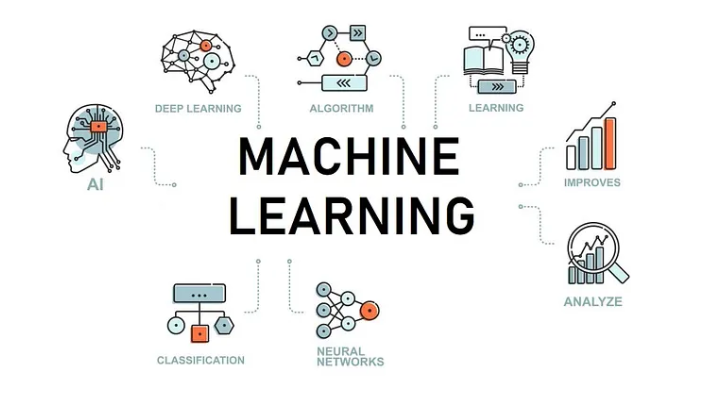
Machine Learning (ML) is a major branch of AI that focuses on building systems that learn from data and improve over time.
Key Topics
- Supervised Learning: Classification and regression
- Unsupervised Learning: Clustering and dimensionality reduction
- Reinforcement Learning: Learning through rewards and actions
Algorithms to Understand
- Linear and logistic regression
- Decision trees and random forests
- Support vector machines
- k-means clustering
- Neural networks
Real-World Application
Machine learning models are used in credit scoring, recommendation engines, predictive maintenance, and customer segmentation. Understanding how these models work helps professionals choose the right approach for each problem.
5. Deep Learning and Neural Networks
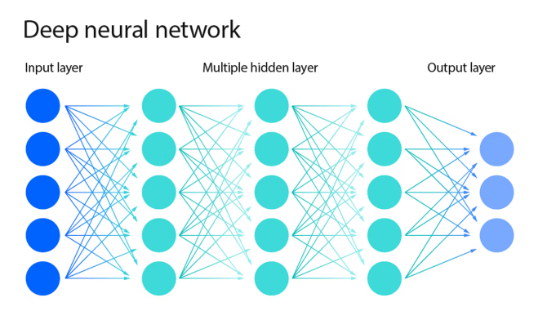
Deep learning focuses on multi-layer neural networks that can process complex data such as images, audio, and natural language.
Skills to Learn
- Understanding neural network architectures
- Convolutional neural networks (CNNs) for image processing
- Recurrent neural networks (RNNs) for sequence data
- Training and tuning deep learning models
Real-World Application
Deep learning powers facial recognition, voice assistants, medical imaging analysis, and autonomous systems. Professionals working in these areas must understand how to design and optimize neural networks for accuracy and efficiency.
6. Natural Language Processing (NLP)
NLP enables machines to understand, interpret, and generate human language.
Key Topics
- Text preprocessing and tokenization
- Sentiment analysis
- Named entity recognition
- Language models and chatbots
Real-World Application
NLP is used in customer support chatbots, document analysis systems, email filtering, and search engines. These systems help businesses automate communication and extract insights from large volumes of text.
7. Computer Vision
Computer vision focuses on enabling machines to interpret and understand visual data.
Skills to Learn
- Image classification and object detection
- Image segmentation
- Feature extraction
- Working with video data
Real-World Application
Computer vision is widely used in quality control in manufacturing, surveillance systems, autonomous vehicles, and healthcare diagnostics.
Supporting Technical Skills
AI systems rarely operate alone. They are part of larger IT ecosystems. Supporting technical skills help integrate AI into production environments.
8. Cloud Computing and AI Platforms
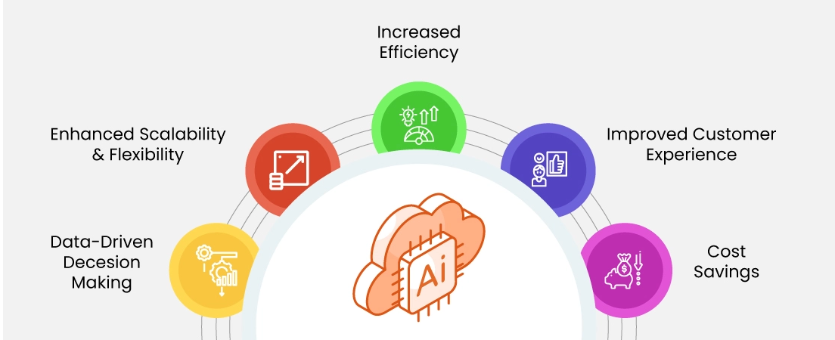
Many AI solutions are deployed on cloud platforms to ensure scalability and availability.
Skills to Learn
- Using cloud-based AI services
- Managing virtual machines and storage
- Deploying models as APIs
- Monitoring performance and usage
Real-World Application
Cloud skills help AI professionals deploy models for real-time use, such as recommendation systems on e-commerce websites or fraud detection systems in financial platforms.
9. Data Engineering
Data engineers build the infrastructure that supplies data to AI models.
Key Skills
- Building data pipelines
- Working with databases and data warehouses
- Streaming data processing
- Ensuring data security and compliance
Real-World Application
In large organizations, AI teams rely on data engineers to provide clean, reliable, and timely data for training and inference systems.
Professional and Analytical Skills
AI is not just about technology. It is also about solving real business problems.
10. Problem-Solving and Critical Thinking
AI professionals must understand the problem before building a solution.
Skills to Develop
- Defining objectives and success metrics
- Identifying constraints and risks
- Evaluating trade-offs between accuracy, speed, and cost
Real-World Application
In business environments, stakeholders often present vague requirements. AI professionals translate these into clear technical goals and measurable outcomes.
11. Communication and Collaboration
AI projects involve multiple teams, including business leaders, developers, and data specialists.
Key Skills
- Explaining technical concepts in simple terms
- Writing clear documentation
- Presenting results and insights
Real-World Application
Clear communication helps ensure that AI solutions align with business goals and regulatory requirements.
Ethical and Responsible AI Skills
As AI systems influence critical decisions, ethical considerations are increasingly important.
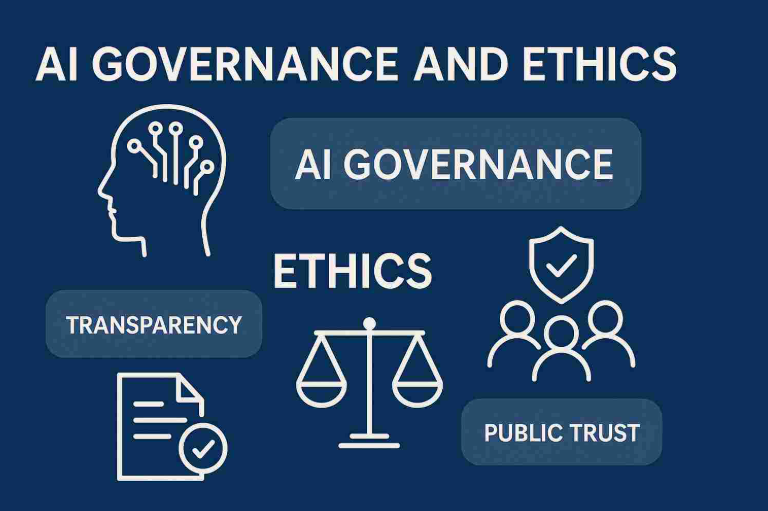
12. AI Ethics and Governance
AI professionals must understand how to build fair, transparent, and accountable systems.
Topics to Learn
- Bias detection and mitigation
- Data privacy regulations
- Model explainability
- Security and risk management
Real-World Application
Organizations must comply with data protection laws and ethical guidelines. AI professionals help ensure that systems do not discriminate or misuse sensitive information.
Career-Focused Skills for AI Professionals
Developing technical skills alone is not enough. Career-focused skills help professionals grow and adapt in the evolving AI landscape.
13. Continuous Learning and Research
AI is a rapidly changing field. New algorithms, tools, and best practices emerge regularly.
Skills to Develop
- Reading research papers and technical blogs
- Experimenting with new frameworks
- Participating in professional communities
Real-World Application
Continuous learning helps professionals stay relevant and contribute innovative ideas to their organizations.
14. Project Management Skills
AI projects often involve multiple phases, from data collection to deployment.
Key Skills
- Planning and scheduling
- Resource management
- Risk assessment
- Quality assurance
Real-World Application
Project management ensures that AI solutions are delivered on time, within budget, and according to business requirements
Building a Skill Development Roadmap for AI
Learning Artificial Intelligence is a journey that can be structured into stages.
Beginner Stage
- Learn basic programming and mathematics
- Understand data handling and visualization
- Explore basic machine learning concepts
Intermediate Stage
- Study deep learning and NLP
- Work with real-world datasets
- Build small AI projects
Advanced Stage
- Deploy models in production environments
- Learn cloud and MLOps practices
- Focus on ethics, governance, and scalability
How AI Skills Apply Across Industries
AI skills are not limited to technology companies. They are used in many fields.
Healthcare
- Medical image analysis
- Patient risk prediction
- Personalized treatment recommendations
Finance
- Fraud detection
- Credit scoring
- Algorithmic trading
Retail
- Recommendation systems
- Demand forecasting
- Customer sentiment analysis
Manufacturing
- Predictive maintenance
- Quality inspection
- Process optimization
Challenges in Learning Artificial Intelligence
Learning AI can be challenging due to:
- Rapid technological changes
- Complex mathematical concepts
- Large volumes of learning material
- Need for practical experience
Overcoming these challenges requires structured learning, hands-on projects, and consistent practice.
Future Trends in AI Skill Development
The AI field continues to evolve. Emerging trends include:
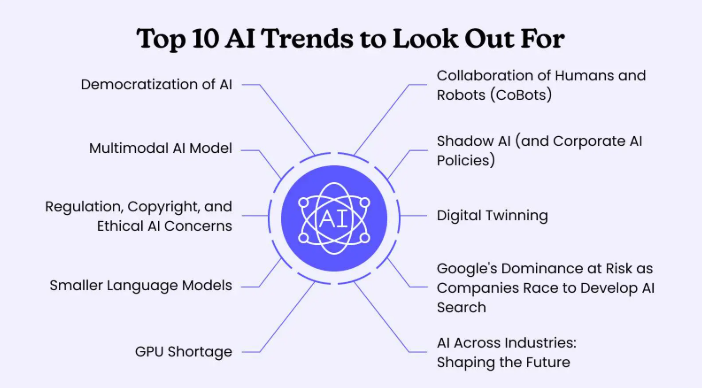
- AI integration with cybersecurity systems
- Explainable AI for regulatory compliance
- AI-driven automation in business processes
- Integration of AI with Internet of Things platforms
Professionals who develop adaptable and cross-functional skills will be well-positioned for future roles.
Key Takeaways
- Artificial Intelligence requires a combination of technical, analytical, and professional skills
- Foundational knowledge in mathematics, programming, and data handling is essential
- Core AI skills include machine learning, deep learning, NLP, and computer vision
- Supporting skills such as cloud computing, data engineering, and ethics play a critical role
- Continuous learning and real-world application are key to long-term success
Conclusion
Learning Artificial Intelligence is not about mastering a single tool or language. It is about building a versatile skill set that allows you to understand data, design intelligent systems, and apply AI responsibly in real-world environments, often strengthened through structured AI learning Courses that combine theory with hands-on projects and real business scenarios. As industries continue to adopt AI-driven technologies, professionals with a balanced mix of technical expertise, problem-solving ability, and ethical awareness will play a vital role in shaping the future of digital transformation.
By developing these influential skills step by step, learners can create strong foundations for careers in AI engineering, data science, research, analytics, and technology leadership. The journey requires dedication, curiosity, and continuous improvement, but it offers opportunities to work on some of the most impactful and innovative challenges in the modern digital world.