If you’re working in business analysis in 2026, here’s the simple truth: the role is becoming more strategic, more technical, and far more AI-driven than ever before. The Business Analyst Trends shaping this year are not small upgrades they are redefining what companies expect from BAs on real projects.
I’ve been reviewing job descriptions, talking to hiring managers, and mentoring professionals preparing for Business Analyst Training and interviews. One pattern keeps showing up. The companies that are hiring aren’t just looking for someone who writes requirements. They want someone who understands data, automation, AI tools, and stakeholder psychology all at once.
Let’s break down the five biggest Business Analyst Trends you truly can’t ignore.
1. AI-Enhanced Decision Making Is Becoming the Norm
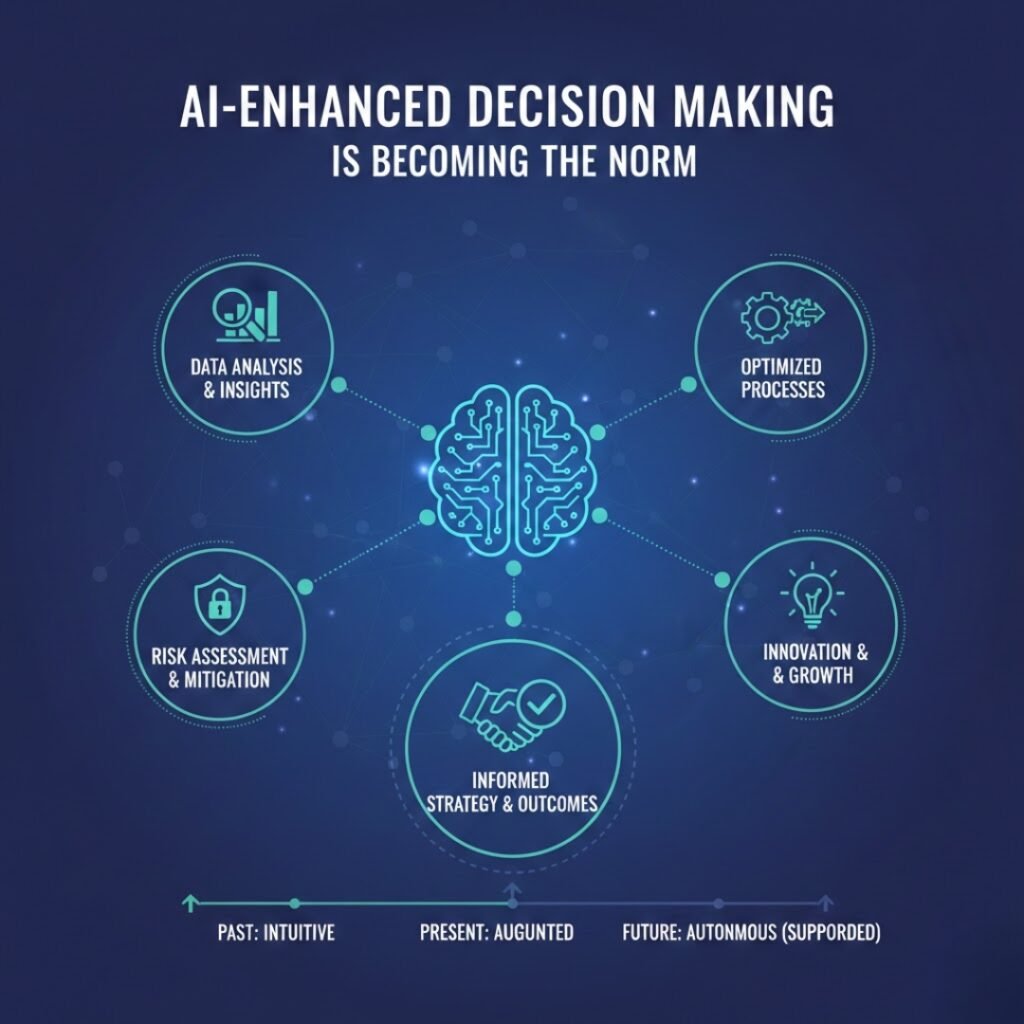
The most important Business Analyst Trend in 2026? AI is no longer an option.
Companies are actively adding AI dashboards, predictive analytics tools, and automated insights to their regular operations. In fields including fintech, healthcare tech, and SaaS, predictive CRM analytics, AI-driven demand forecasting, and real-time anomaly detection are becoming standard.
But here’s the interesting part: AI hasn’t replaced business analysts. It has transformed the way they do their jobs.
Modern BAs don’t spend hours looking at information in Excel anymore. Instead, they look at AI-generated insights and ask smarter questions:
- What caused the churn prediction to go up?
- What factors affect this prediction?
- Is there a bias in the information?
This change is one of the most essential Business Analyst Trends because it requires more than just good writing skills; it also requires better analytical thinking.
That’s why data storytelling, AI tool knowledge, and dashboard interpretation are already required classes in business analyst training programs in 2026. It’s not enough to just acquire requirements the old-fashioned way anymore.
And to be honest, I’ve seen that applicants that take excellent online business analysis training with AI parts do significantly better in interviews. They know how to talk about data, not simply process diagrams.
2. Data Storytelling Is Now a Core Skill
Another powerful Business Analyst Trends shift is this: stakeholders don’t want raw numbers, they want meaning.
In boardrooms today, executives expect clarity within minutes. If a BA can’t explain complex metrics in simple, human language, the message gets lost.
I once worked with a BA who presented 25 slides of charts. Technically correct. Completely overwhelming. The VP asked, “So what should we do?”
That moment captures one of the defining Business Analyst Trends of this year: clarity beats complexity.
Modern business analyst classes now emphasize:
- Translating data into executive summaries
- Visual storytelling with dashboards
- Presenting risk and impact clearly
- Aligning metrics to business goals
Professionals pursuing business analyst certification online are also expected to demonstrate communication depth not just technical diagrams.
The truth? If you can’t tell the story behind the data, someone else will.
3. Hybrid Business + Technical Roles Are Expanding
One of the fastest-growing Business Analyst Trends in hiring markets is hybridization.
Companies don’t want “just a BA.” They want:
- BA + Product mindset
- BA + Data analyst capability
- BA + Automation understanding
- BA + Agile leadership
I’ve seen job titles like:
- Business Systems Analyst
- Technical Business Analyst
- Data-Focused BA
- Agile Business Analyst
This trend is reshaping business analyst courses across the board. Strong programs now include:
- SQL fundamentals
- Basic API understanding
- Cloud environment exposure
- Agile frameworks
This doesn’t mean you need to code like a developer. But you absolutely need to understand how systems connect.
The Business Analyst Trends clearly show that cross-functional literacy is no longer “nice to have.” It’s expected.
Professionals completing BA training and placement programs with real-time project exposure often adapt faster to these hybrid demands. They’ve already seen how technical and business teams collaborate in practice.
4. Agile Is Mature — Now It’s About Agile Optimization
Agile isn’t new. What’s new is how deeply companies are optimizing it.
Earlier, Agile adoption was about ceremonies: stand-ups, sprints, retrospectives.
Now? It’s about measurable impact.
One of the key Business Analyst Trends this year is outcome-driven Agile.
Organizations want BAs who can:
- Track sprint ROI
- Define measurable acceptance criteria
- Improve backlog efficiency
- Align user stories with business KPIs
Agile maturity is increasing. And with it, expectations from business analysts.
In fact, several advanced ba certification pathways now focus on Agile scaling frameworks and enterprise-level backlog management.
And here’s a small reality check: writing user stories is easy. Writing effective user stories that reduce rework? That’s a skill shaped by real business analyst training and hands-on experience.
This shift toward performance-based Agile is one of the most practical Business Analyst Trends affecting everyday project work.
5. Portfolio-Driven Hiring Is Replacing Resume-Only Screening
This might be the most career-impacting of all Business Analyst Trends.
Hiring managers are asking:
“Can you show us what you’ve done?”
Not just what you’ve studied.
Candidates with project portfolios — dashboards, BRDs, requirement samples, mock stakeholder reports — stand out immediately.
I recently spoke with a recruiter who said something that stuck with me:
“Anyone can say they completed business analyst courses. But when someone shows us a real process flow they built? That changes the conversation.”
This is why structured business analysis online training with live projects is gaining attention. Professionals who go through serious BA training and placement tracks often graduate with tangible artifacts they can showcase.
And yes, even those completing business analyst certification online are expected to demonstrate applied knowledge.
Among all Business Analyst Trends, this one directly impacts job security and salary growth.
Why These Business Analyst Trends Matter in 2026
Let’s pause for a second.
The Business Analyst Trends we’re seeing aren’t random shifts. They reflect broader industry movements:
- AI integration across enterprise tools
- Cloud-first infrastructure
- Data-driven leadership cultures
- Lean, outcome-focused teams
- Hybrid remote collaboration models
The BA role is evolving into something more strategic. More influential. More visible.
But that also means more accountability.
Professionals investing in business analyst classes and structured business analyst training today are preparing for a more demanding but rewarding market.
And I’ll say this from experience the gap between outdated BA skills and modern expectations is growing quickly. Staying still is risky.
How to Align Yourself With These Business Analyst Trends
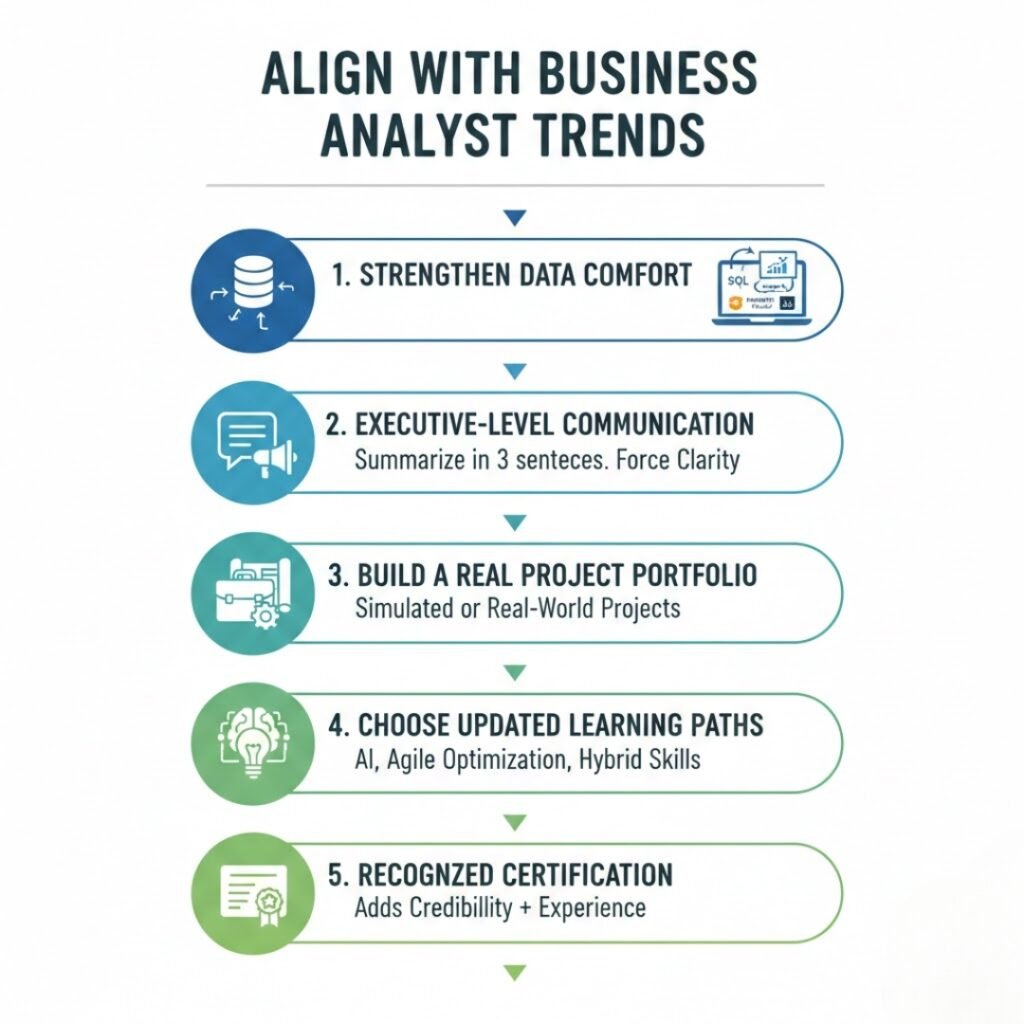
If you’re wondering what to actually do with this information, here’s what I usually suggest:
1. Strengthen Data Comfort
Even basic SQL, Power BI, or Tableau exposure changes your confidence level.
2. Practice Executive-Level Communication
Summarize insights in 3 sentences. Force clarity.
3. Build a Real Project Portfolio
Simulated projects are better than none. Real-world projects are even better.
4. Choose Updated Learning Paths
Not all business analyst courses are aligned with current Business Analyst Trends. Make sure your learning path reflects AI, Agile optimization, and hybrid skill expectations.
5. Consider Recognized Certification
A solid ba certification or business analyst certification online program adds credibility especially when combined with hands-on experience.
Conclusion
The job of a business analyst in 2026 is not getting smaller. It’s becoming bigger.
This year, the most essential trends for business analysts are AI fluency, data storytelling, hybrid skills, Agile optimization, and portfolio-driven credibility. If you don’t pay attention to them, you could fall behind. You become necessary when you embrace them.
By following these Business Analyst Trends, I’ve watched professionals go from jobs that focused on documentation to those that focused on strategy.
And to be honest? This is a great moment to work in this industry.
If you really want to improve, aligning your BA training, getting better through organized business analyst training, looking into business analysis online training, or getting a relevant business analyst certification online can put you ahead of the game.