Introduction
Organizations generate massive volumes of data every day, from customer clicks to sensor logs and financial records. Many professionals struggle to understand Big Data vs Data Science and how each field contributes to business decisions. While both deal with data, their goals, tools, and career paths differ in clear ways. This guide explains those differences in simple terms, with real examples and practical insights for learners who want job-ready skills.
Understanding Big Data vs Data Science
At a high level, Big Data vs Data Science compares two related but distinct disciplines. Big Data focuses on storing, processing, and managing very large datasets. Data Science focuses on analyzing data to extract meaning, patterns, and predictions. One builds the data foundation. The other turns data into insights.
To understand Big Data vs Data Science, you must first know what each field does in real projects.
What Is Big Data?
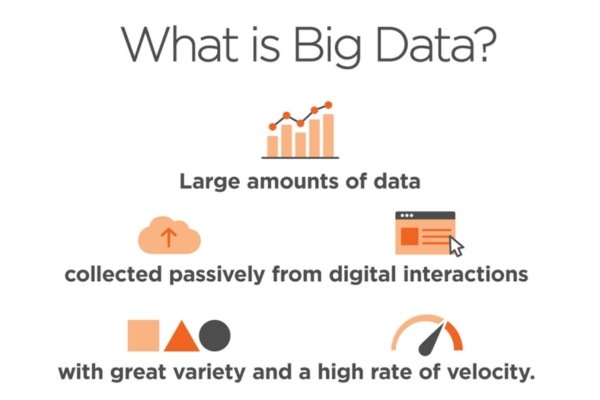
Big Data refers to datasets that are too large or fast for traditional systems to handle. These datasets often come from multiple sources and arrive continuously.
Key Characteristics of Big Data
Big Data is defined by the “5 Vs”:
- Volume: Large data size in terabytes or petabytes
- Velocity: Fast data generation and processing
- Variety: Structured, semi-structured, and unstructured data
- Veracity: Data quality and reliability
- Value: Business usefulness of data
In Big Data vs Data Science, Big Data handles scale and speed rather than analysis depth.
Common Big Data Technologies
Big Data systems rely on distributed tools such as:
- Hadoop Distributed File System (HDFS)
- Apache Spark for fast processing
- Kafka for streaming data
- NoSQL databases like Cassandra and MongoDB
These tools help engineers collect and process data before analysis begins.
What Is Data Science?
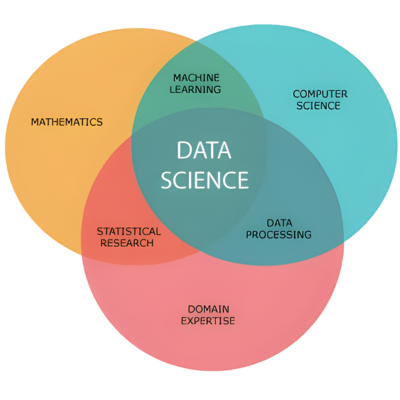
Data Science focuses on understanding data and using it to solve business problems. It combines statistics, programming, and domain knowledge.
In Big Data vs Data Science, Data Science is the decision-making layer.
Core Responsibilities in Data Science
A data scientist typically works on:
- Data cleaning and preparation
- Exploratory data analysis
- Statistical modeling
- Machine learning
- Data visualization and reporting
Python plays a central role in this work.
Role of Python in Data Science
Python is the most widely used language in data science today. Most learners start with Python for data science because it is simple and powerful.
Why Python Matters
Python supports:
- Data manipulation with Pandas
- Numerical analysis with NumPy
- Visualization with Matplotlib and Seaborn
- Machine learning with scikit-learn
- Deep learning with TensorFlow and PyTorch
This is why data science with python is a core focus of modern training programs.
Big Data vs Data Science: Key Differences Explained
Understanding Big Data vs Data Science becomes easier when you compare them side by side.
Purpose
- Big Data manages large-scale data systems
- Data Science analyzes data for insights
Skill Focus
- Big Data emphasizes system design and data pipelines
- Data Science emphasizes statistics, models, and interpretation
Tools
- Big Data uses Hadoop, Spark, and cloud platforms
- Data Science uses Python, R, and machine learning libraries
Output
- Big Data delivers processed and accessible data
- Data Science delivers predictions, trends, and recommendations
This comparison highlights why Big Data vs Data Science is not a competition but a collaboration.
Real-World Example: E-Commerce Platform
An e-commerce company collects millions of clicks daily.
- Big Data systems store and process clickstream logs
- Data Science models customer behavior and predicts purchases
This workflow clearly shows Big Data vs Data Science working together.
Career Roles in Big Data
Big Data professionals focus on infrastructure and performance.
Common Job Titles
- Big Data Engineer
- Data Engineer
- Hadoop Developer
- Cloud Data Architect
These roles require strong system and cloud knowledge.
Career Roles in Data Science
Data Science roles focus on insights and decision support.
Common Job Titles
- Data Scientist
- Machine Learning Engineer
- Data Analyst
- AI Engineer
Most of these roles rely heavily on python for data scientists and applied analytics.
Skills Required for Data Science Careers
To succeed in Data Science, learners must build structured skills.
Technical Skills
- Python programming
- Statistics and probability
- SQL and data querying
- Machine learning basics
Business Skills
- Problem definition
- Communication of insights
- Data-driven decision support
This skill mix defines success in Big Data vs Data Science career planning.
Step-by-Step: A Simple Data Science Workflow
Below is a basic example using Python.
import pandas as pd

# Load dataset
data = pd.read_csv("sales_data.csv")

# Clean data
data.dropna(inplace=True)

# Analyze
average_sales = data["revenue"].mean()
print(average_sales)
This simple process reflects how data science with python turns raw data into insights.
Industry Demand and Market Trends
Industry reports show strong demand for both fields.
- Data-related roles continue to grow across industries
- Python-based analytics roles dominate job postings
- Employers value applied project experience
These trends make data science training and placement programs important for career entry.
Education Path: Choosing the Right Learning Track
When comparing Big Data vs Data Science, learners should align training with goals.
Choose Big Data If You Prefer
- Working with infrastructure
- Handling large-scale systems
- Cloud and distributed computing
Choose Data Science If You Prefer
- Analysis and modeling
- Business problem-solving
- Machine learning with Python
Many professionals start with a data science course online to enter the field quickly.
Why Data Science Courses Focus on Python
Training providers emphasize python for data science because:
- Python reduces learning time
- Libraries cover the full analytics lifecycle
- Industry adoption remains high
This focus helps learners transition into real projects faster.
How Big Data vs Data Science Work Together in Enterprises
Modern companies do not choose between the two. They use both.
- Big Data pipelines prepare clean datasets
- Data Science models extract insights
- Business teams act on predictions
This synergy defines Big Data vs Data Science in real organizations.
Placement-Oriented Learning Approach
Effective programs combine theory with practice.
- Hands-on projects
- Real datasets
- Interview preparation
- Job-focused mentoring
This approach supports data science training and placement success.
Key Takeaways
- Big Data vs Data Science compares infrastructure with analysis
- Big Data builds data systems at scale
- Data Science turns data into insights using Python
- Both fields work together in real businesses
- Python remains central to modern data science careers
Conclusion
Understanding Big Data vs Data Science helps you choose the right career path with confidence.
Enroll in hands-on programs at H2K Infosys to build real-world data science skills and accelerate your career growth.