Introduction
Many people ask a simple question before starting a Salesforce career: do you need coding skills for Salesforce to succeed in this field? The short answer is no, not for every role. Salesforce supports both technical and non-technical professionals, making it a popular career option for business users, career changers, and IT specialists. However, knowing where coding skills can help may open the door to more specialized and higher-paying opportunities. If you’re wondering, do you need coding skills for Salesforce, the answer could depend on your career goals.
In this guide, you’ll learn how different Salesforce classes roles work, where programming knowledge matters, and how to build a practical career path through SFDC courses and Salesforce Training Classes. For learners looking to develop these skills, H2K Infosys provides Salesforce training focused on practical concepts, real-world scenarios, and career-oriented learning. The goal is to help you understand what Salesforce professionals actually do in their day-to-day work and which skills you should prioritize based on the career path you want to pursue.
Understanding do you need coding skills for Salesforce will give you clarity about the roles you might consider in this field.
What Is Salesforce and Why Do Companies Use It?
Further, if you’re considering the question, do you need coding skills for Salesforce, take note of the diverse functions within the platform.
Salesforce is a cloud-based customer relationship management platform that helps organizations manage sales, service, marketing, and data. Companies use it to track customer interactions, automate business processes, and generate reports that support decision-making.
In many Salesforce roles, the question is not just do you need coding skills for Salesforce, but how coding knowledge can enhance your performance.
Key Business Benefits of Salesforce
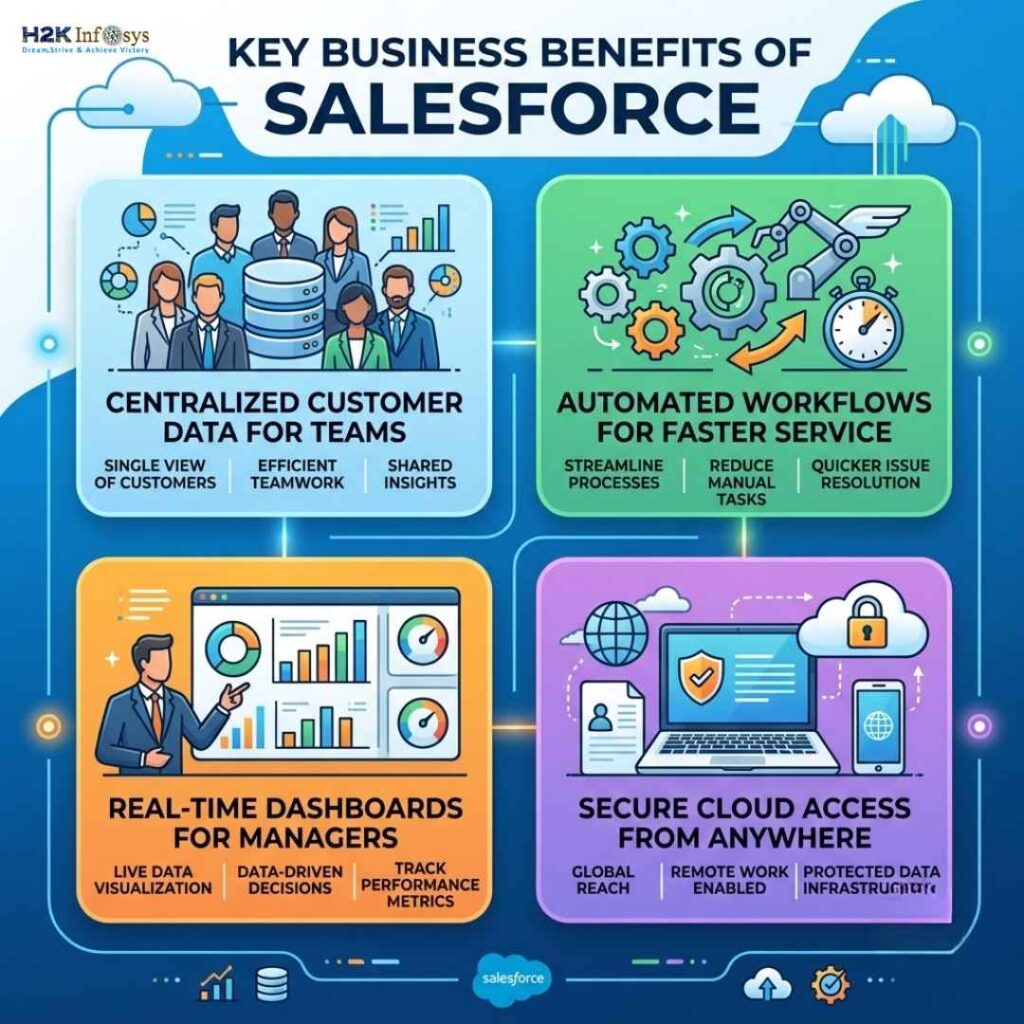
- Centralized customer data for teams
- Automated workflows for faster service
- Real-time dashboards for managers
- Secure cloud access from anywhere
Salesforce serves many industries, including healthcare, finance, retail, and technology. This wide adoption creates strong demand for trained professionals across different job roles.
Salesforce Career Roles Explained
The answer to do you need coding skills for Salesforce might surprise you as different positions have unique requirements.
To clarify, do you need coding skills for Salesforce is relevant for many learners.
For those who ask, do you need coding skills for Salesforce, it’s important to note that roles vary greatly.
In summary, to address do you need coding skills for Salesforce, consider your career aspirations.
Understanding the main Salesforce roles helps you decide how much technical knowledge you need and when coding skills become important.
If the query is do you need coding skills for Salesforce, it’s vital to look at the specifics of each job role.
Salesforce Administrator
Thus, do you need coding skills for Salesforce? Consider your desired role carefully.
An administrator manages users, data, security, and system setup. This role focuses on configuration, not programming.
Daily tasks include:
When assessing your options, consider whether do you need coding skills for Salesforce becomes a deciding factor for your professional journey.
- Creating users and setting access rules
- Building reports and dashboards
- Automating tasks with point-and-click tools
- Managing data quality
So, do you need coding skills for Salesforce? That’s a question worth exploring.
Most administrators succeed without deep coding skills. They rely on Salesforce tools like Flow and Process Builder instead of writing code.
Salesforce Developer
Ultimately, do you need coding skills for Salesforce varies by role, and understanding this is key to your success.
A developer builds custom features and integrations.
Daily tasks include:
- Writing Apex code for logic
- Building user interfaces with Lightning Web Components
- Connecting Salesforce to external systems
This role requires strong coding skills in Apex, JavaScript, and web technologies.
Salesforce Consultant
A consultant works with clients to design solutions based on business needs.
Many ask, do you need coding skills for Salesforce to truly excel? Let’s explore.
The question remains, do you need coding skills for Salesforce, especially for those seeking advanced roles?
Daily tasks include:
Understanding this helps clarify, do you need coding skills for Salesforce for decision-making.
Asking do you need coding skills for Salesforce can guide your education path.
- Gathering requirements
- Mapping processes in Salesforce
- Testing and deploying solutions
Consultants benefit from basic coding skills, but their main focus is system design and communication.
Salesforce Business Analyst
This role bridges business teams and technical teams.
Daily tasks include:
- Writing process documents
- Creating user stories
- Supporting system testing
This role does not require coding skills, but technical awareness helps with collaboration.
When Do Coding Skills Matter in Salesforce?
Salesforce offers powerful tools that reduce the need for code, but some scenarios still need technical expertise.
No-Code and Low-Code Features
Salesforce provides tools that let users build automation without writing scripts.
Examples include:
- Flow Builder for process automation
- Validation rules for data checks
- Report and dashboard builders
These tools allow professionals to work effectively without coding skills.
Situations That Require Code
Your path may depend on whether do you need coding skills for Salesforce or not.
You need coding skills when you want to:
- Build custom business logic
- Create advanced user interfaces
- Integrate Salesforce with external systems
- Handle large-scale data processing
These tasks go beyond what visual tools can support.
Real-World Example: Admin vs Developer
A retail company uses Salesforce to manage online orders.
Administrator role:
The admin creates a workflow that sends an email when an order status changes. This task uses Flow and does not require coding skills.
Developer role:
The developer builds a custom payment integration using Apex and APIs. This task requires strong coding skills.
This example shows how Salesforce supports both technical and non-technical paths.
Learning Path Without Coding Skills
If you want to start without a technical background, Salesforce offers a clear learning path.
Step 1: Learn CRM Basics
Understand how businesses manage leads, contacts, and customer data.
Step 2: Explore Salesforce Setup
Practice user management, security rules, and data import tools.
Step 3: Master Automation Tools
Learn Flow Builder and approval processes to reduce manual work without coding skills.
Step 4: Practice Reporting
Build dashboards that show sales trends and service performance.
These steps prepare you for roles supported by sfdc courses and salesforce crm administrator training programs.
Learning Path With Coding Skills
If you want a technical role, follow a different track.
Step 1: Learn Apex Basics
Apex is Salesforce’s programming language for backend logic.
Step 2: Study Lightning Web Components
This framework helps you build user interfaces using JavaScript and HTML.
Step 3: Work With APIs
Learn how Salesforce connects to external systems using REST and SOAP.
In conclusion, do you need coding skills for Salesforce is a key question you should ponder.
Step 4: Build Projects
Create custom apps that solve real business problems and apply coding skills in real scenarios.
Sample Code Example: Apex Trigger
Here is a simple example of how developers use coding skills in Salesforce:
trigger UpdateAccount on Contact (after insert) {
    for (Contact c : Trigger.new) {
        Account acc = [SELECT Id, Last_Contacted__c
                       FROM Account
                       WHERE Id = :c.AccountId];
        acc.Last_Contacted__c = System.today();
        update acc;
    }
}
This code updates an account when a new contact is added. Administrators cannot build this logic without coding skills.
Industry Demand and Job Market Insights
According to recent market reports, CRM platforms remain a top investment for companies. Salesforce professionals often see strong job stability and salary growth.
Salary Trends (Approximate)
- Salesforce Admin: Entry to mid-level range
- Salesforce Developer: Higher salary range due to technical coding skills
- Salesforce Consultant: Competitive range based on experience
Technical roles often earn more because coding skills allow professionals to solve complex problems.
How Salesforce Training Supports Career Growth
Structured learning helps both beginners and experienced professionals.
Key Training Areas
- System configuration
- Security and data management
- Automation tools
- Development and integration
Salesforce training help learners build confidence in both technical and non-technical areas.
How H2KInfosys Supports Salesforce Learners
H2KInfosys offers structured learning paths that support different career goals. Whether you want to focus on system setup or build advanced applications, their programs guide you through hands-on practice.
What You Gain
- Live project-based learning
- Industry-relevant case studies
- Salesforce certification training support
- Career guidance and skill development
These features help learners apply coding skills or no-code tools in real-world business scenarios.
Frequently Asked Questions
Is Salesforce easy to learn without coding?
Salesforce can be learned without traditional programming, particularly for administrator and business-focused roles. However, you’ll still need to understand CRM concepts, data structures, automation, security, and platform configuration.
Which Salesforce job requires the least coding?
Salesforce Administrator and Business Analyst roles generally require less coding than Salesforce Developer roles. The exact expectations vary by employer and job description.
Should I learn coding before Salesforce?
No. If you’re new to Salesforce, it usually makes more sense to learn Salesforce fundamentals first. Once you understand the platform, you can decide whether learning Apex, JavaScript, or other technical skills makes sense for your career goal.
Can a non-IT person learn Salesforce?
Yes. People from sales, customer service, business operations, finance, and other backgrounds can learn Salesforce. Business knowledge can actually be valuable because Salesforce is ultimately used to solve business and customer-management problems.
Are Salesforce training classes worth it?
They can be, particularly for beginners who need structure, hands-on practice, mentorship, certification preparation, and career guidance. Before choosing a program, compare the curriculum, practical labs, instructor experience, and career support.
Is coding required for Salesforce certification?
Not for every Salesforce certification. Certification requirements depend on the specific credential and role. Administrator-focused paths are different from developer-focused credentials.
Choosing the Right Salesforce Path
Ask yourself these questions:
- Do I enjoy problem-solving with technology?
- Do I prefer business processes or system logic?
- Do I want to work with coding skills daily or focus on configuration?
Your answers guide you toward admin, developer, or consultant roles.
Long-Term Career Growth in Salesforce
Many professionals start as admins and move into technical roles over time. Learning coding skills later can help you shift into development or architecture roles. Salesforce supports this growth by offering tools and certifications that match each career stage.
Key Takeaways
- You do not need coding skills to start a Salesforce career.
- Admin and analyst roles focus on system setup and business processes.
- Developer and architect roles require strong coding skills.
- Salesforce training classes and sfdc courses support both career paths.
- Building real projects helps you apply what you learn in business settings.
Conclusion
Whether you want to begin without coding skills or grow into a technical role, Salesforce offers a flexible career path for motivated learners. Start your journey with hands-on learning and guided support at H2KInfosys to build real-world experience and career-ready skills.
Another reflection is, do you need coding skills for Salesforce if you want to stay competitive.
So, as you embark on your Salesforce journey, remember to think about do you need coding skills for Salesforce.