In 2026, business analysis will be characterized by AI-enabled techniques. H2K Infosys notes that analysts are becoming even more critical in business decision-making rather than just recording needs. Business Analysts will engage in translating sophisticated insights and guided planning while aligning business objectives to the stage of digital transformation. The position will require more of a blend of strategic, real-time analytical, and intensive cross-departmental cooperation. Analysts are tasked with decision-making, operational improvement, and delivering impact. The rapidly evolving nature of business analysis makes it imperative for professionals considering BA Training, certification, or a career pivot to keep abreast of the changes to be effective.
1. Business analysis with AI is now the norm
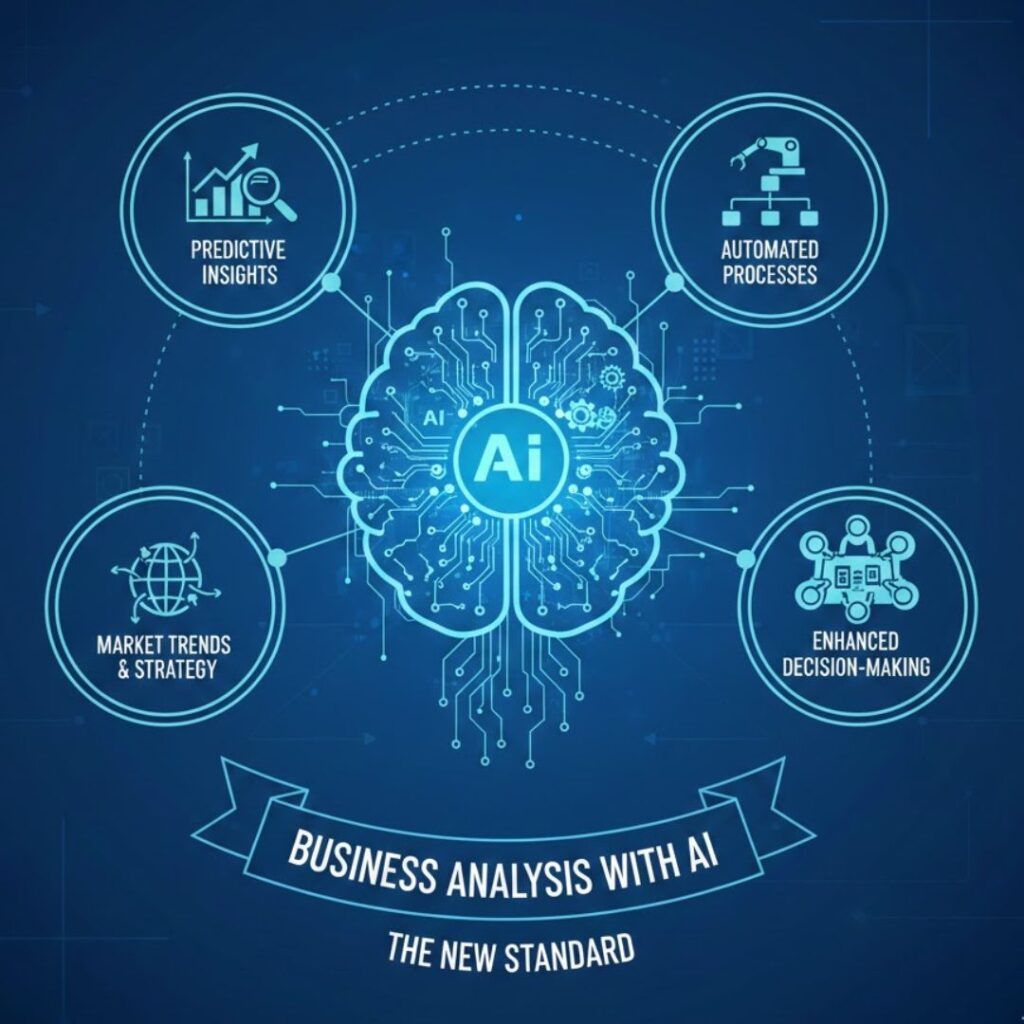
AI is not replacing Business Analysts in 2026; it is making them better. Generative AI tools may now aid with requirement drafting, stakeholder summaries, impact assessments, and even predicting risks.
For instance, businesses that use platforms like Microsoft Copilot and Google Workspace AI are adding smart insights and automated documentation to their daily tasks.
One of the most important things in Business Analysis right now is understanding how to check AI results. That’s what makes us human. AI suggests. Analysts check, put things in context, and make decisions.
If you’re taking business analysis classes, make sure they integrate AI technologies. It’s not an option anymore.
2. Data Storytelling Is More Valuable Than Data Gathering
A few years ago, knowing how to extract reports was impressive. In 2026, that’s basic.
Now, stakeholders expect you to translate complex dashboards into business narratives. Tools like Power BI and Tableau are everywhere but what separates average analysts from high-performing ones is storytelling.
One of the fastest-growing trends in Business Analysis is narrative-driven reporting. Instead of saying, “Revenue dropped 8%,” you explain why it dropped, what it impacts, and what decision needs to be made today.
I’ve personally seen BAs get promoted just because they mastered this one skill.
3. Thinking about the product instead of the project
Project-based analysis is slowly going away. Companies today work in product models, which include continuous releases, agile sprints, and customer feedback loops.
Frameworks like Scrum Alliance and large agile ecosystems have changed what people expect.
This development is one of the most important trends in Business Analysis since it impacts how people think. You’re not simply writing down what you need; you’re also keeping track of how much your product is worth over time.
That’s why Agile, Scrum, backlog grooming, and user story mapping are such big parts of modern business analyst programs.
4. Cybersecurity and Compliance Alignment
As cyber threats and regulations surrounding digital security continue to rise in the 2025-2026 timeframe, analysts will need to begin considering security ramifications in their work.
For companies that align with compliance requirements such as ISO 27001, Business Analysts must be able to integrate compliance requirements throughout the entire SDLC.
This trend is powerful in the Business Analysis field analysts with security, data protection, and risk management knowledge are highly sought after.
It is also a powerful trend that even beginner Business Analyst certification courses are now incorporating compliance.
5. Rise of Hybrid BA Roles
There’s been a noticeable rise in hybrid roles:
- BA + Data Analyst
- BA + Product Owner
- BA + Automation Specialist
- BA + UX Analyst
Companies don’t want silos anymore.
One of the strongest trends in Business Analysis is cross-functional skill stacking. Analysts who understand SQL, basic automation tools, or UX wireframing have a serious advantage.
If you’re evaluating business analysis online training, check if it includes tools like Jira, SQL, or workflow automation exposure.
6. Managing stakeholders from a distance and around the world
Remote work is no longer novel; it’s here to stay.
Jira and Slack are now mainstream tools. But here’s the catch: being able to talk to people is now more important than writing technical documents.
Asynchronous requirement management is one trend in Business Analysis that doesn’t get enough attention. It’s important to write clearly, organize your documents, and include pictures.
I have seen projects fail not because the requirements were bad, but because people in different time zones didn’t understand them.
7. Requirements for ESG and Sustainability Reporting
Environmental, Social, and Governance (ESG) activities are having an effect on how businesses report.
Companies that are listed on global exchanges are making their reporting more open in 2026. Business Analysts are presently working on compliance mapping and modeling data for sustainability.
This new topic is one of the newest trends in Business Analysis, notably in the banking, healthcare, and manufacturing sectors.
It’s a small market right now, but it’s developing quickly.
8. Specialization in a certain area
There are still generalist analysts. But specialization is becoming more common.
Like this:
- Healthcare BAs that deal with regulatory systems
- FinTech BAs who work on payment connectors
- AI Product BAs who deal with ML pipelines
Having a lot of knowledge in a certain area is becoming a competitive advantage.
This tendency toward specialization is one of the most useful in Business Analysis because corporations want analysts who know how things function in their industry from the start.
9. Analytics in real time and help in making decisions ahead of time
Instead of reactive reports, companies increasingly demand predictive insights.
Businesses can now predict churn, risk, and operational bottlenecks thanks to cloud ecosystems like Amazon Web Services and powerful analytics platforms.
Collaboration on predictive analytics is one of the most important developments in Business Analysis. More and more, analysts are partnering with data science teams to turn predictions into actions that businesses can do.
This is where corporate strategy and analytical thinking come together.
10. Greater Emphasis on BA Training and Placement Support
As competition continues to rise, the more structured BA training and placement service offerings are becoming.
By the time 2026 rolls around, recruiters won’t care about theory. What they are looking for are:
- Documentation samples of real projects
- Experience with agile simulations
- Examples of stakeholder communication
- Assignments done with tools.
Most of the professionals doing BA training programs are now focusing on mock interviews and live project work rather than getting a BA.
This trend, in itself, represents the overall movement in Business Analysis practical skills rather than theory.
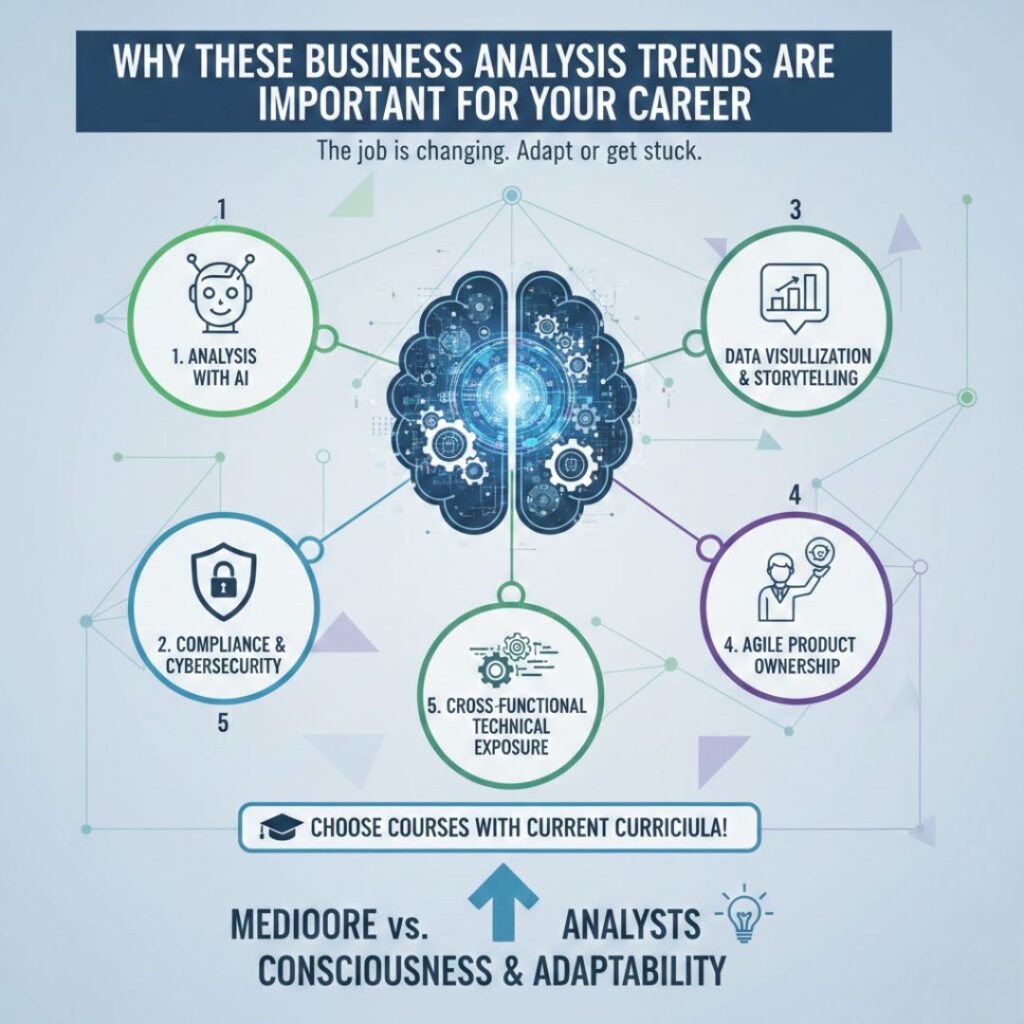
Why These Business Analysis Trends Are Important for Your Career
Let’s be honest for a moment.
The job of a Business Analyst is no longer the same. It’s always changing, strategic, and closely tied to AI, data, security, and new product ideas.
If you don’t pay attention to these patterns in Business Analysis, you could wind up stuck.
To stay relevant in Business Analysis, you need to adapt to these changes.
And if you want to take business analyst courses, be sure the ones you choose have current curricula that match:
- Analysis with the help of AI
- Ownership of agile products
- Telling stories with data visualization
- Basic rules for compliance and cybersecurity
- Technical exposure across different functions
What will be the biggest difference between mediocre and great analysts in 2026?
It’s being conscious and able to change.
Conclusion
The biggest takeaway from all the trends in Business Analysis this year is simple: Business Analysts are becoming strategic business partners.
They connect AI outputs to executive decisions.
They translate data into direction.
They bridge compliance with innovation.