Introduction: Why This Comparison Matters Today
Every business now depends on clear insights from large data sets. Leaders want fast answers, simple charts, and dashboards that guide action. This is why data visualization tools matter more than ever. Among many options, Tableau and QlikView remain two widely discussed platforms. Professionals often ask one clear question: What data visualization software is better Tableau or QlikView?
This guide gives a clear, practical answer. It explains how each tool works, where each one fits best, and which choice supports long-term career growth especially for learners considering a Tableau developer course or Tableau certifications.
What Is Data Visualization and Why Businesses Rely on It
Data visualization means showing data using charts, graphs, dashboards, and maps so people can understand results quickly. Instead of reading rows of numbers, users see patterns, trends, and outliers at a glance.
Companies rely on data visualization because it:
- Reduces decision time
- Improves communication between teams
- Helps non-technical users understand data
- Supports real-time monitoring
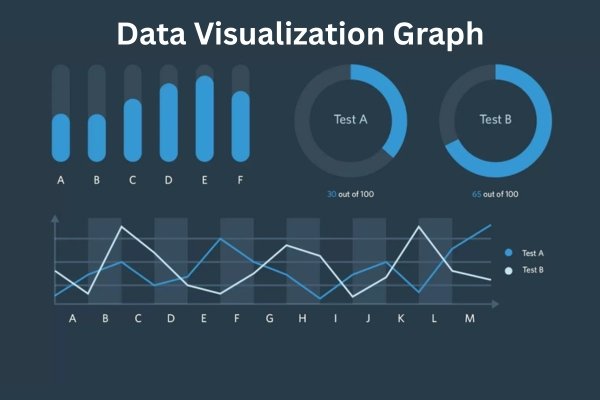
Modern tools go beyond static charts. They allow filters, drill-downs, and live data connections. Tableau and QlikView both support this goal, but they take different paths.
Overview of Tableau
Tableau is a leading analytics platform known for visual clarity and ease of use. Salesforce acquired Tableau in 2019, which increased its enterprise reach and cloud integration.
Core Features of Tableau
- Drag-and-drop interface
- Strong chart and dashboard design
- Live and extract data connections
- Support for cloud and on-prem data
- Large user community and learning resources
Tableau focuses on visual analysis first. Users explore data freely without writing code. This approach makes data visualization accessible to beginners and powerful for experts.
Overview of QlikView
QlikView is a business intelligence tool from Qlik. It uses an in-memory associative engine to link data across sources.
Core Features of QlikView
- Associative data model
- In-memory processing
- Script-based data loading
- Strong internal analytics
- Guided dashboard development
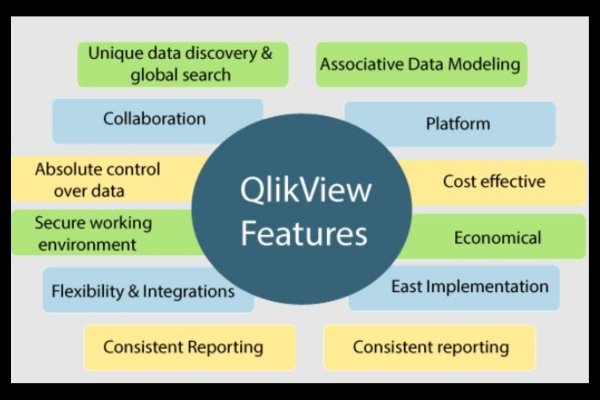
QlikView works well in controlled enterprise environments. It suits teams with technical resources and defined reporting needs.
Tableau vs QlikView: User Experience
Ease of Learning
Tableau offers a simple learning curve. Most users build dashboards in days, not months. This ease makes Tableau popular in Tableau tutorials and learn Tableau online programs.
QlikView requires scripting knowledge. New users often depend on IT teams. This slows adoption for business users.
Winner: Tableau for faster onboarding and learning.
Visualization Quality and Flexibility
Data visualization quality depends on clarity, layout, and interaction.
Tableau provides:
- Clean visuals
- Rich color control
- Interactive filters
- Advanced maps and geospatial views
QlikView offers standard charts but less design freedom. Custom visuals often need extra development work.
Winner: Tableau for visual design and presentation.
Data Handling and Performance
QlikView loads data into memory. This allows fast calculations once data loads. It performs well with structured data and defined models.
Tableau supports both live connections and extracts. It works well with cloud platforms like Snowflake, BigQuery, and Redshift. This flexibility supports modern data visualization needs.
Winner: Depends on use case
- QlikView for in-memory enterprise models
- Tableau for flexible, cloud-first analytics
Real-World Use Cases
Tableau in Action
- Marketing teams track campaign results
- Sales leaders monitor pipelines
- Healthcare teams analyze patient trends
- Finance teams review KPIs
Tableau supports fast, visual exploration. Teams ask questions and get answers immediately through data visualization dashboards.
QlikView in Action
- Manufacturing reports
- Internal enterprise dashboards
- Standardized executive reporting
QlikView fits organizations with fixed reporting rules.
Industry Adoption and Market Demand
Market demand helps answer which tool is better for careers.
According to job market data from LinkedIn and Indeed:
- Tableau appears in far more job postings
- Tableau skills appear across industries
- Tableau certifications rank high in BI roles
Most modern data visualization job roles list Tableau as a preferred skill.
Career Growth: Tableau vs QlikView
Tableau Career Paths
- Tableau Developer
- Data Analyst
- BI Analyst
- Analytics Consultant
A Tableau developer course often leads to faster job placement due to demand.
QlikView Career Paths
- BI Developer
- Qlik Consultant
- Enterprise Analyst
QlikView roles exist but remain niche.
Winner: Tableau for broader career growth.
Learning Resources and Community Support
Tableau offers:
- Free Tableau Public
- Official documentation
- Video-based Tableau tutorials
- Large global community
This ecosystem helps learners master data visualization faster.
QlikView learning depends more on formal training and internal knowledge.
Hands-On Example: Simple Tableau Workflow
Below is a basic step-by-step approach many Tableau software course programs teach:
- Connect to a data source (Excel, SQL, cloud)
- Drag dimensions and measures onto rows and columns
- Select chart type
- Add filters and colors
- Build dashboards with multiple views
This workflow highlights how data visualization becomes intuitive in Tableau.
Deployment and Sharing
Tableau supports:
- Tableau Server
- Tableau Cloud
- Web and mobile dashboards
QlikView requires more controlled infrastructure.
Tableau’s sharing options support modern teams and remote users who rely on data visualization daily.
Cost and Licensing Overview
Pricing changes often, but general trends show:
- Tableau offers subscription-based pricing
- QlikView involves licensing and maintenance
Most learners focus more on job outcomes than licensing costs.
Why Tableau Dominates Training and Placement Programs
Many training providers focus on Tableau training USA and Tableau training and placement because:
- Employers request Tableau skills
- Tools align with modern cloud stacks
- Tableau certifications validate skills
Learners who complete a Tableau developer course often gain real-world data visualization experience faster.
SEO-Focused Comparison Table (Text-Based)
Learning Curve: Tableau – Easy | QlikView – Moderate
Visual Design: Tableau – Strong | QlikView – Limited
Job Demand: Tableau – High | QlikView – Moderate
Community: Tableau – Large | QlikView – Smaller
Best For: Tableau – Analysts | QlikView – IT teams
Which Tool Should You Choose?
Choose Tableau if you want:
- Fast learning
- Visual-first analysis
- Strong job demand
- Modern data visualization workflows
Choose QlikView if you need:
- Script-driven control
- Fixed enterprise reporting
- In-memory analytics
For most learners and professionals today, Tableau offers better long-term value.
Key Takeaways
- Data visualization drives faster decisions
- Tableau leads in ease, visuals, and jobs
- QlikView suits controlled enterprise use
- Tableau skills align with market demand
- Tableau certifications support career growth
Conclusion
If you want practical data visualization skills that match real job needs, Tableau is the stronger choice today.
Enroll in H2KInfosys Tableau training programs to gain hands-on experience, industry projects, and career-ready skills.