Introduction
If you’re trying to pick the right data analytics training, here’s the honest answer: choose a program that actually prepares you for US job interviews, not just one that teaches tools.
That difference sounds small… But it’s where most people get stuck.
I’ve seen this play out more times than I expected. Someone finishes a Data Analytics Training, feels confident, starts applying, and suddenly realizes the course didn’t really prepare them for real interview questions or real datasets. It’s frustrating, and honestly, avoidable.
Let me walk you through how to evaluate this properly based on what actually works right now in the US market.
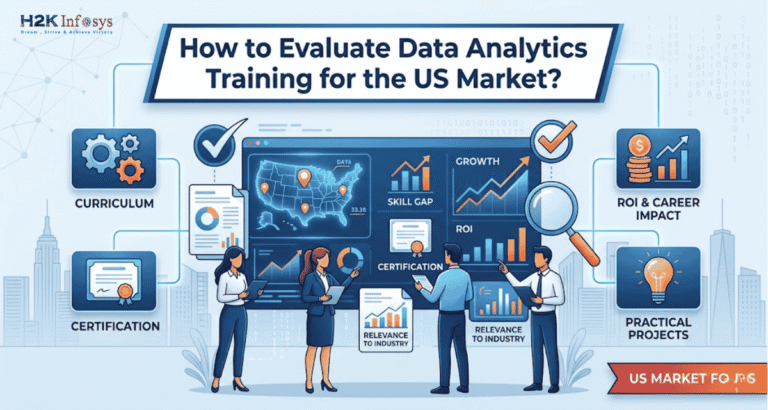
Start With Job Descriptions (Not Course Brochures)
This is something I wish more people did earlier.
Before even looking at a data analytics training, open LinkedIn or Indeed and search for “data analyst” roles in the US. Just skim 10–15 listings.
You’ll start noticing patterns pretty quickly:
- SQL shows up almost everywhere
- Excel is assumed (not even listed sometimes)
- Tableau or Power BI is expected
- Python pops up more often than it used to
Now compare that with the course syllabus.
If the training barely touches SQL or skips real dashboards, that’s a problem. A lot of courses still teach like it’s 2018. The market moved on.
Projects Matter More Than Certificates (By a Lot)
This one took me a while to fully understand.
A certificate looks nice, sure, but in interviews, nobody really cares unless you can talk through what you’ve done.
Good Data Analytics Training will include the following:
- Messy, real-world datasets
- Business-focused case studies
- End-to-end projects (not just small exercises)
For example, one learner I know worked on a retail sales dataset and had to explain why revenue dropped in one region. That single project gave them more talking points than their entire course.
That’s the kind of experience you want.
Pay Attention to Who’s Teaching
This part is easy to overlook.
Some instructors are great at explaining tools but haven’t worked in the US job market recently. And that gap shows up later when you’re preparing for interviews.
You want someone who can say the following:
“This is how this question comes up in real interviews.”
or
“Here’s how hiring managers actually think about this problem.”
It’s a different level of insight. Hard to fake.
Career Support Isn’t a Bonus; It’s Core
I used to think career support was just an add-on. It’s not.
Especially in the US, where:
- Networking matters
- Resume formats are very specific
- Interviews are often scenario-based
Programs like H2K Infosys tend to lean into this more seriously, which is probably why people mention them when talking about job readiness, not just training.
Look for:
- Resume help tailored to data roles
- Mock interviews (these help more than you expect)
- Guidance on how to explain your projects
Because here’s the thing: knowing something and explaining it clearly are two very different skills.
Flexibility (Because Life Will Interrupt You)
Let’s be honest for a second.
Most people doing data analytics training are juggling something else job, family, time zones, all of it.
So if a course is rigid or doesn’t offer recordings, it gets stressful fast.
I’ve seen people drop out not because the content was hard, but because the schedule didn’t fit their life.
Small detail but it matters.
What You Actually Gain From the Right Training
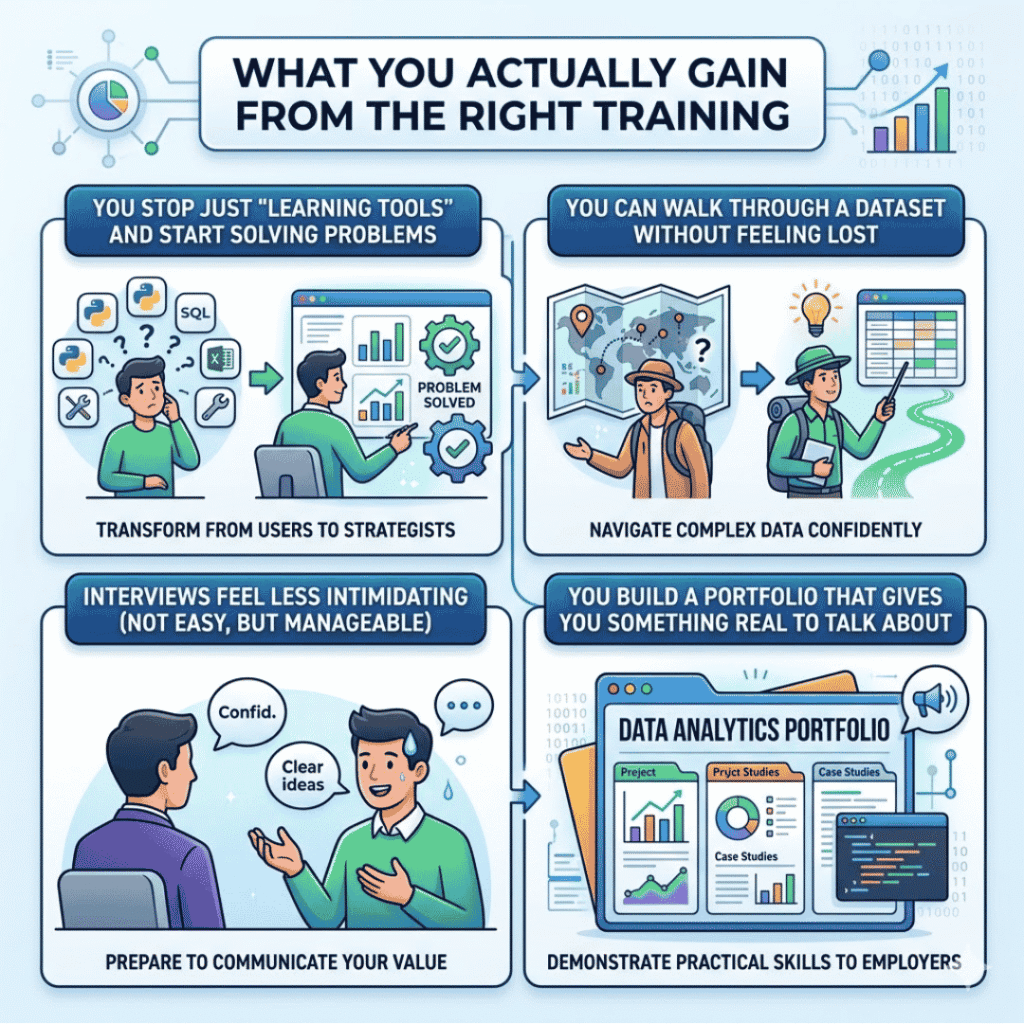
When things line up properly, you start noticing a shift:
- You stop just “learning tools” and start solving problems
- You can walk through a dataset without feeling lost
- Interviews feel less intimidating (not easy, but manageable)
- You build a portfolio that gives you something real to talk about
And yes, roles are still in demand. Entry-level data analytics training in the US are generally landing somewhere in the $65K–$85K range, depending on skills and location.
Mistakes I See People Make (Over and Over)
Quick reality check:
- Picking the cheapest course without checking depth
- Trusting “job guarantee” claims too easily
- Skipping projects because they feel time-consuming
- Assuming a certificate alone is enough
Most of these lead to the same outcome starting over later.
Where H2K Infosys Fits In
If you’re looking at structured options, H2K Infosys is one of those programs that tries to bridge the gap between learning and getting hired.
What stands out (from what I’ve seen and heard):
- Focus on real-world scenarios, not just theory
- Projects that resemble actual job tasks
- Strong emphasis on interview preparation
- Support that continues beyond just course completion
It’s not magic you still have to put in the work, but it gives you a clearer path.
Related Topics You Might Want to Explore
If you’re going deeper into this, these help a lot:
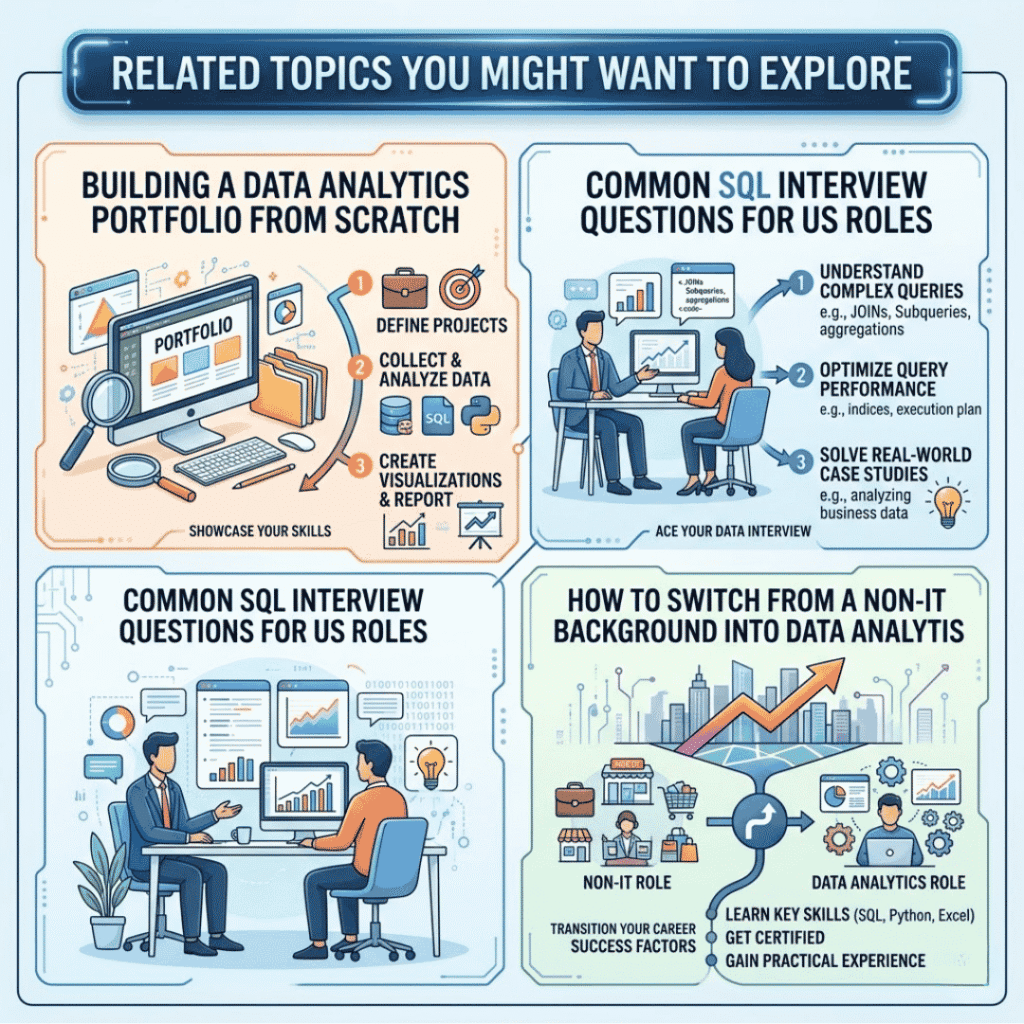
- Building a data analytics portfolio from scratch
- Common SQL interview questions for US roles
- How to switch from a non-IT background into data analytics
They all connect, and honestly, you’ll need a bit of each.
FAQs
1. What is the best data analytics training for the US?
The best one is the one that includes real projects, SQL, and interview prep, not just video lessons.
2. How long does data analytics training usually take?
Anywhere from 3 to 6 months if you stay consistent.
3. Do I need a technical background to start?
No, but you’ll need to get comfortable with SQL and basic data analytics training concepts pretty quickly.
4. Is data analytics training still a good career in 2026?
Yes, especially in industries like healthcare, retail, and finance.
5. Can I get hired with just a certification?
Not usually. Projects and interview skills make the real difference.
Final Thoughts
If I had to simplify this whole thing into one takeaway:
Don’t choose a data analytics training program based on how it looks, choose it based on how well it prepares you for real job situations.
That one shift in thinking changes everything.
And if you’re serious about getting into this field, a structured, job-focused path like the one H2K Infosys offers can save you a lot of trial and error.
Because at the end of the day, the goal isn’t to finish a course.
It’s to actually get into the role.