Yes, H2K Infosys USA does offer job placement assistance after its Artificial Intelligence course.
That said, it’s not one of those “finish the course, get a job handed to you” setups. It’s more like… structured support to help you actually become hireable which, honestly, is how things work now.
What “Placement Assistance” Really Looks Like
If you’ve browsed a few artificial intelligence training programs before, you’ve probably noticed the phrase “placement support” gets thrown around a lot. Sometimes it means very little.
Here, it’s a bit more grounded.
From what I’ve seen people go through, the support usually includes:
- Resume tweaks specifically for AI roles
- Mock interviews that feel closer to real ones
- Help with building projects you can actually show
- Guidance on where and how to apply
- Interview prep focused on current tools, not outdated theory
So yeah,it’s less “we’ll place you” and more “we’ll make sure you don’t walk into interviews unprepared”.
Why AI Actually Matters Right Now
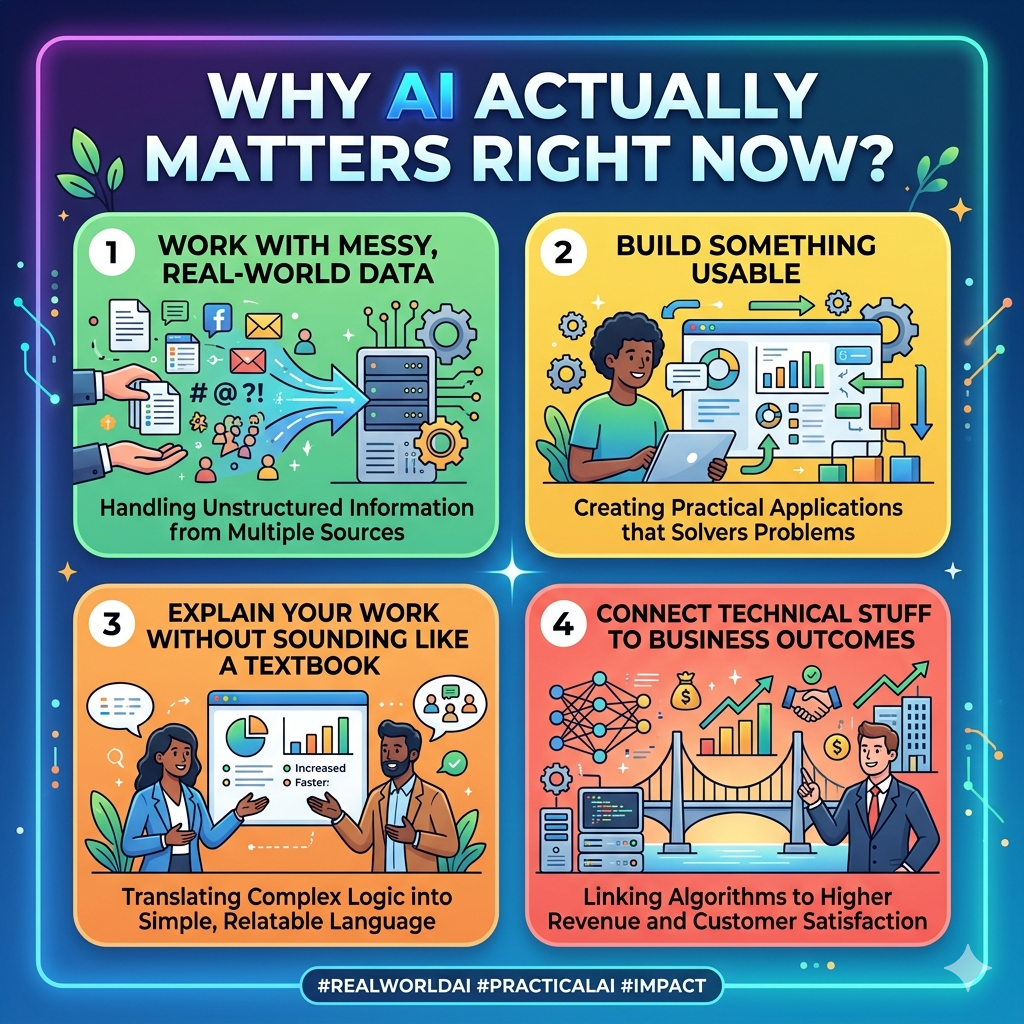
The AI job market isn’t what it was even a couple of years ago.
Ever since tools like ChatGPT and other AI copilots became everyday workplace tools, expectations shifted. Companies aren’t impressed just because you’ve “learned AI”.
They want proof you can:
- Work with messy, real-world data
- Build something usable
- Explain your work without sounding like a textbook
- Connect technical stuff to business outcomes
That’s where a solid ai certification program plus guided job placement assistance can make a difference. It’s not just about learning it’s about positioning yourself.
A Small Reality Check
I once spoke to someone who had gone deep into machine learning great with models, solid with Python, knew all the buzzwords.
Still couldn’t land interviews.
Not because they lacked knowledge… but because they couldn’t translate it.
They’d say things like, “I implemented a random forest model.”
Interviewers were thinking, “Okay… and why should we care?”
That gap between doing and explaining is exactly what programs like H2K Infosys try to address during their AI training and job placement phase.
And weirdly enough, fixing that gap often matters more than learning another algorithm.
What Feels Different About Their Approach
A few things stand out (based on what learners tend to mention):
Project Work That Actually Counts
You’re not just watching videos and moving on. You build things.
Not massive, groundbreaking systems, but enough to show:
“Hey, I can apply what I learned”.
And yes, recruiters do look at that.
Interview Prep That Isn’t Scripted
Instead of just basic questions, you get scenarios like:
- “What would you do if your data is biased?”
- “Explain your model to someone non-technical.”
Which… feels much closer to real interviews these days.
Tools That Aren’t Outdated
They lean toward what companies are actually using now:
- Python ecosystems
- Data handling workflows
- Intro-level MLOps ideas
Nothing too fancy, but relevant enough to matter.
Prep Starts Early
This is something I personally think more programs should do.
You don’t wait until the end to think about jobs.
You start preparing while you’re still learning.
It makes the whole process less overwhelming later trust me.
Let’s Be Honest: Is a Job Guaranteed?
No. And it shouldn’t be.
Any artificial intelligence training provider claiming guaranteed jobs is… worth questioning.
What you do get here is:
- Direction
- Feedback
- A clearer understanding of what companies expect
But getting hired still depends on you showing up, practicing, and actually applying what you learn.
One Thing People Often Miss
The hiring game in AI right now? It’s not about degrees as much as people think.
It’s about:
- What you’ve built
- How you explain it
- Whether you can solve problems
A good ai certification program paired with real project work and interview prep can sometimes outweigh a traditional background.
Sounds surprising but it’s happening more often than you’d think.
Final Thoughts
So yes, H2K Infosys USA does provide structured AI training and job placement assistance. And from everything I’ve seen, it’s practical enough to be useful.
Just go in with the right expectations.
You’re not buying a shortcut.
You’re building a pathway.
And if you treat it that way, the support they offer can actually make a noticeable difference.