So… do online data analytics certificate actually matter?

I’ll be honest, this is where a lot of people get it wrong.
When I first started looking into data analytics, I thought, “Okay, I’ll just collect a couple of certificates, and I’m good.” That’s not how it works in the US job market.
Employers don’t really care how many Online data analytics certificate you have sitting on your LinkedIn. What they do care about is whether you can:
- Work with messy data
- Write actual SQL queries
- Build dashboards someone can understand
- Explain what the data means in plain English
That’s why not all Online data analytics certificate carry the same weight.
The certifications that actually show up in job conversations

Online data analytics certificate
This one comes up everywhere and for good reason.
It’s beginner-friendly, but not useless. You’ll touch SQL, spreadsheets, Tableau… basically the stuff you’ll see in real job descriptions.
I remember helping someone prep for interviews, and they kept getting asked about their Google capstone project. Not the online data analytics certificate, the project. That tells you everything.
Data Analytics Program
Slightly more technical. You’ll deal with Python and more hands-on data work.
If you’re someone who doesn’t mind getting into the weeds a bit, this one helps build stronger fundamentals than most beginner courses.
Power BI Certification
This one feels very “corporate job ready.”
A lot of US companies rely heavily on Power BI. So if a job posting mentions dashboards (which most do), this certification lines up directly with what they want.
Where H2K Infosys fits in (and why people overlook this)
Here’s something I didn’t fully understand early on:
Online data analytics certificate alone don’t make you job-ready. Structured training does.
Programs like H2K Infosys go a step further than typical Online data analytics certificate courses:
- You actually work on real-time projects
- You see how data is handled in real companies
- You get interview prep (this part is huge, honestly)
- There’s a focus on getting hired, not just finishing a course
I’ve seen people with big-name Online data analytics certificate struggle in interviews, and others from structured programs perform way better just because they had real examples to talk about.
What employers are quietly evaluating (even if they don’t say it)
When hiring managers look at candidates, they’re usually thinking:
- Can this person solve a real problem with data?
- Have they used tools like SQL or Power BI beyond tutorials?
- Can they explain their thinking without sounding scripted?
A good Data Analytics Program prepares you for this. A weak one just gives you videos and quizzes.
What’s changed recently (2025–2026 trends)
Data analytics isn’t slowing down it’s just shifting a bit.
Now companies expect analysts to:
- Work alongside AI tools (not compete with them)
- Clean and validate data before automation
- Translate data into business decisions
I’ve noticed more job postings asking for “data storytelling” and “business insights,” not just technical skills.
That’s a big clue: companies want thinkers, not just tool users.
What kind of jobs you can realistically get
If you build the right skills (not just certificates), you’re looking at roles like:
- Data Analyst
- Business Analyst
- Reporting Analyst
Entry-level salaries in the US are still pretty solid usually somewhere between $65K and $90K depending on location and skills.
Mistakes I see people make all the time
This part might save you months, honestly:
- Taking multiple courses but not doing any real projects
- Avoiding SQL (this is a dealbreaker in interviews)
- Watching tutorials passively without practicing
- Not preparing for interviews at all
One person I worked with had three certificates but froze when asked to explain a dataset they worked on. That’s more common than you’d think.
Why structured training makes a difference
If you’re serious about getting into this field, random learning can only take you so far.
A structured program like H2K Infosys helps connect the dots:
- You practice real scenarios
- You build confidence talking about your work
- You understand what employers actually expect
And that last part? That’s what most people miss.
If you’re serious about building a career in this, structured training can really help you move from “learning” to actually getting hired.
You can also explore topics like:
- How to build a strong data analytics portfolio
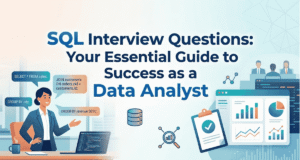
- Common SQL interview questions (with real examples)
- Data analyst vs business analyst career paths
FAQs
Which Online data analytics certificate should I start with?
Google’s certificate is a solid starting point if you’re new. It’s practical and widely recognized.
Are certificates enough to get hired?
Not really. They help, but projects and real skills matter much more.
How long does it take to become job-ready?
Around 3–6 months if you’re consistent and actually practice.
Do I need coding for data analytics?
You’ll definitely need SQL. Python is helpful but not always required at entry level.
Is a structured Data Analytics Program better than self-learning?
For many people, yes because it gives direction, real experience, and job support.
Final thoughts
If I had to put it simply:
Certificates can get your foot in the door but they won’t carry you through the interview.
What really works is combining a recognized Online Data Analytics Certificate with hands-on experience and structured learning.
That’s where programs like H2K Infosys stand out they focus on what happens after you finish learning.
If you’re planning your next step, don’t just ask “Which certificate should I take?”
Ask yourself:
“Will this actually prepare me to do the job?”
That one question changes everything.